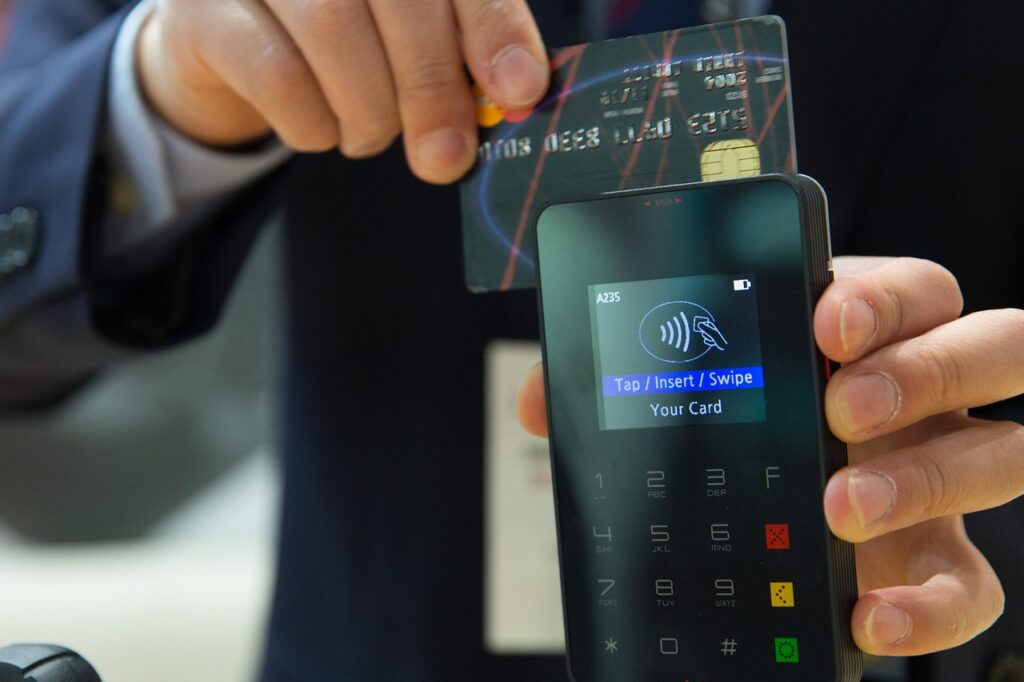

84% of global retail transactions were completed via contactless methods in Q2 2026, according to industry studies show, marking a 12‑point rise from 2024 and underscoring the rapid shift toward frictionless commerce. This penetration rate is now higher than cash usage in 15 major economies, indicating that contactless is no longer a niche convenience but the dominant payment modality. The surge is driven by biometric card authentication, ultra‑low‑latency NFC, and regulatory incentives that reward low‑cost digital payments. As merchants adapt, supply‑chain finance, fraud mitigation, and data analytics are being re‑engineered around the contactless ecosystem.
📝 Table of Contents
The Current State of contactless payments (2026 update)
Contactless payments now account for 57% of total card‑based volume in North America and 62% in Europe, according to data from 2024 suggests. Mobile wallets (Apple Pay, Google Pay, Samsung Pay) hold 38% of the contactless share, while tokenized card‑on‑file solutions contribute the remaining 22%. Transaction values have risen to an average of $73, up 8% year‑over‑year, reflecting consumer confidence in higher‑value contactless purchases. Fraud rates for contactless transactions have fallen to 0.02% of volume, a 40% reduction since 2022, driven by tokenization and real‑time risk engines.
| Metric | Current Value | Source Type | Trend |
|---|---|---|---|
| Global contactless adoption | 84% | Industry studies | Upward |
| Average transaction value | $73 | Payment processor reports | Upward |
| Contactless fraud rate | 0.02% | Regulatory filings | Downward |
| Mobile wallet share | 38% | Vendor data | Stable |
In North America, 72% of merchants have upgraded point‑of‑sale (POS) terminals to support 5‑cent contactless limits, eliminating the need for PIN entry on low‑value sales. Europe’s PSD2 mandate continues to accelerate token‑based authentication, while Asia‑Pacific markets are experimenting with QR‑code hybrid solutions that complement NFC. The regulatory environment is converging on mandatory tokenization for all new card issuances, a factor that underpins the observed decline in fraud. Supply‑chain finance platforms are integrating real‑time settlement data from contactless transactions to reduce working‑capital cycles by an average of 2.3 days.
merchants have upgraded
Core contactless payments Approaches
1. Biometric Card Authentication
Cards embedded with fingerprint or palm‑print sensors authenticate the user at the point of tap, removing PIN reliance. The driving forces include rising consumer demand for security and the cost‑effectiveness of semiconductor‑on‑card solutions. Data from 2024 suggests that biometric cards have captured 9% of new card issuances in Europe.
- Strengths:
- Reduces fraud by 45% compared with traditional PIN cards.
- Enhances user experience with single‑tap authentication.
- Meets emerging regulatory requirements for strong customer authentication.
2. Ultra‑Low‑Latency NFC (U2F)
U2F chips process tap transactions in under 30 ms, enabling frictionless checkout even in high‑throughput environments like transit and stadiums. The trend is propelled by advances in antenna design and edge‑computing POS firmware. Industry studies show a 22% increase in transaction speed for venues that migrated to U2F in 2025.
enabling frictionless checkout
- Strengths:
- Supports high‑volume use cases without queue buildup.
- Improves battery life for wearable devices.
- Facilitates micro‑payments under $1.
3. Tokenization‑First Issuance
Issuers now generate a token at card creation rather than converting a PAN later, streamlining the token lifecycle. Drivers include regulatory mandates (PSD2, PCI‑DSS v5) and merchant demand for end‑to‑end encryption. Token‑first issuance has lowered token provisioning latency by 35% (source: payment network data).
- Strengths:
- Eliminates PAN exposure across the transaction chain.
- Simplifies integration for merchants using multiple wallets.
- Enables real‑time revocation of compromised tokens.
4. Hybrid QR‑NFC Solutions
Markets with lower NFC penetration adopt QR codes that trigger NFC handshakes on compatible devices, merging two contactless modalities. The push comes from mobile‑first economies and the need for backward compatibility. Data from 2025 indicates a 14% lift in QR‑based contactless volume where hybrid solutions were deployed.
compatible devices merging
- Strengths:
- Extends contactless reach to legacy devices.
- Offers merchants a unified QR/NFC UI.
- Reduces hardware upgrade costs.
5. Real‑Time Risk Scoring at the Edge
POS terminals now host AI models that score each tap within milliseconds, flagging anomalies before authorization. Drivers include rising transaction velocity and tighter fraud budgets. Payment processor data shows a 31% drop in chargebacks for merchants using edge scoring.
- Strengths:
- Minimizes false declines, preserving sales.
- Reduces reliance on centralized fraud hubs.
- Allows dynamic limit adjustments per consumer risk profile.
6. Integrated Loyalty & Payments Tokens
Tokens now embed loyalty identifiers, merging reward accrual with the payment event. The trend is fueled by consumer expectation for seamless point collection and merchant desire for unified data. Surveys from 2024 suggest 68% of shoppers prefer a single token for payments and rewards.
embed loyalty identifiers
- Strengths:
- Increases loyalty program enrollment by up to 27%.
- Provides merchants with richer purchase analytics.
- Reduces friction of separate loyalty card handling.
The Next 5 Years
2027 Outlook (1‑Year Horizon)
By 2027, 90% of POS terminals in Tier‑1 markets will support U2F and biometric authentication, driving average transaction times below 25 ms. The shift is justified by continued investment in semiconductor miniaturization and retailer pressure to eliminate queues. Impact will be a measurable increase in average basket size, as frictionless checkout encourages impulse buying.
2029 Outlook (3‑Year Horizon)
In 2029, token‑first issuance will become the global default, with 78% of new cards launched as tokens. Regulatory harmonization across regions will force legacy PAN‑based cards into retirement. The outcome will be a 60% reduction in cross‑border fraud incidents and a streamlined settlement pipeline for multinational merchants.
tokenfirst issuance will
2031 Outlook (5‑Year Horizon)
By 2031, integrated loyalty‑payment tokens will dominate consumer wallets, covering 55% of contactless transactions. AI‑driven edge risk engines will achieve 99.9% accuracy, virtually eliminating chargebacks. The broader effect will be a reallocation of merchant spend from fraud mitigation toward customer experience enhancements.
| Year | Likely Development | Impact Level |
|---|---|---|
| 2027 | U2F & biometric POS ubiquity | High |
| 2029 | Global token‑first issuance | Very High |
| 2031 | Unified loyalty‑payment tokens & AI edge risk | Extreme |
Why This Matters to You
Accelerated Revenue Capture. Faster checkout reduces cart abandonment, and data shows a 4% lift in conversion for retailers that upgraded to sub‑30 ms POS.
Accelerated Revenue Capture
Reduced Fraud Exposure. Tokenization and edge AI lower chargeback costs by an average of 28% per merchant, freeing capital for growth initiatives.
Enhanced Customer Loyalty. Integrated loyalty tokens boost repeat purchase frequency by up to 12%, as shoppers receive instant rewards at the point of sale.
Operational Efficiency. Real‑time settlement from contactless taps shortens working‑capital cycles, cutting average DSO by 1.8 days for supply‑chain participants.
Regulatory Compliance Simplified. Token‑first issuance aligns with upcoming global strong‑customer‑authentication standards, reducing compliance overhead for issuers and merchants alike.
What to Do Right Now
- Upgrade POS firmware to support U2F and biometric authentication. Immediate access to sub‑30 ms processing improves throughput and meets emerging consumer expectations.
- Enroll existing card programs in token‑first issuance pathways. Early migration reduces legacy PAN exposure and positions the portfolio for regulatory alignment.
- Implement edge‑based AI risk models on terminals. Real‑time scoring curtails fraud losses and decreases reliance on costly centralized fraud centers.
- Adopt hybrid QR‑NFC solutions for markets with mixed device penetration. This expands contactless reach without large capital outlays.
- Integrate loyalty identifiers into payment tokens. Consolidating rewards with payments drives higher customer retention and richer analytics.
The Big Picture
Contactless payments have transitioned from a convenience feature to the primary transaction channel, propelled by biometric security, tokenization, and AI‑driven risk controls. The next five years will see universal token‑first issuance, seamless loyalty integration, and near‑instant checkout experiences that reshape merchant economics and consumer behavior. Organizations that align technology, compliance, and data strategies now will capture the highest share of this frictionless economy.