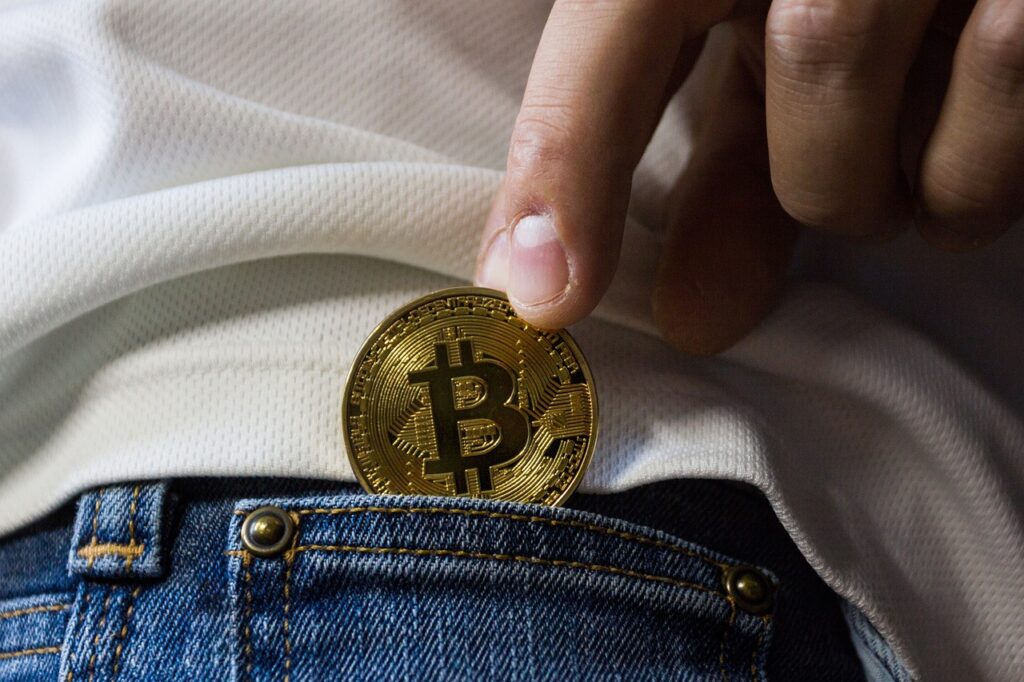

Many newcomers believe that simply downloading a crypto wallet guarantees safety, but that assumption is dangerously naive. In reality, a wallet is merely a tool, and its security depends on how it is used. Treating a wallet like a traditional bank account—expecting the institution to handle all protection—leads to costly oversights. The truth is that every interaction, from seed phrase storage to software updates, introduces potential vulnerabilities. This article dismantles the myth that crypto wallets are self‑securing and equips readers with a step‑by‑step roadmap to avoid the most common pitfalls.
📝 Contents
A Closer Look at Crypto Wallets
A crypto wallet—essentially a digital container for cryptocurrency private keys—enables users to send, receive, and store digital assets. The private key (the secret password that proves ownership) is stored either offline (cold storage) or online (hot storage). Unlike a physical wallet that holds cash, a crypto wallet never actually contains coins; it merely holds the cryptographic credentials that grant access to balances recorded on a blockchain—an immutable public ledger.
Understanding the two primary categories—hardware wallets (physical devices that store keys offline) and software wallets (applications on computers or phones)—is crucial. Each type carries distinct risk profiles. For example, hardware wallets are immune to malware on a computer but can be lost or physically damaged, while software wallets are convenient but vulnerable to phishing attacks. Selecting the right wallet depends on the user’s transaction frequency, technical comfort, and security tolerance. primary categorieshardware wallets
| Wallet Type | Key Storage | Best For | Typical Risk |
|---|---|---|---|
| Hardware | Offline (cold) | Long‑term holding, large sums | Physical loss, supply‑chain tampering |
| Desktop Software | Online (hot) on PC | Frequent traders, developers | Malware, keyloggers |
| Mobile App | Online (hot) on phone | On‑the‑go payments | Phishing, device theft |
| Web Wallet | Server‑side (hot) | Casual users, low value | Server breach, credential theft |
Leading Crypto Wallet Solutions
1. Ledger Nano X
The Ledger Nano X is a premium hardware wallet that stores private keys in a secure element—a tamper‑proof chip similar to those used in passports. Users connect it via Bluetooth or USB, and the device signs transactions without exposing the keys to the host computer.
Its large storage capacity allows up to 100 apps, making it suitable for diversified portfolios. The companion Ledger Live app provides a user‑friendly interface for managing assets, checking balances, and updating firmware. Security is reinforced by a PIN code and a recovery phrase (a 24‑word seed) that must be written down offline.
- Key Benefits:
- Robust offline storage protects against malware.
- Bluetooth connectivity offers convenience without sacrificing security.
- Regular firmware updates address emerging threats.
2. Trezor Model T
Trezor Model T is another leading hardware wallet, distinguished by its color touchscreen that simplifies entry of passphrases and PINs. Like Ledger, it isolates private keys from internet‑connected devices, signing transactions internally.
It supports a wide array of cryptocurrencies and integrates with third‑party wallets via the open‑source Trezor Bridge. The device’s recovery seed (12 or 24 words) can be stored on a physical steel backup for fire‑proof durability. opensource Trezor Bridge
- Key Benefits:
- Open‑source firmware encourages community audits.
- Touchscreen eases complex password entry.
- Broad coin compatibility reduces the need for multiple devices.
3. Exodus Desktop
Exodus is a popular software wallet that runs on Windows, macOS, and Linux. It provides an intuitive graphical interface that displays portfolio charts, making it appealing to beginners. Private keys remain encrypted on the local device, and users can back them up with a 12‑word seed phrase.
While Exodus does not offer hardware‑level isolation, it integrates with Ledger and Trezor for a hybrid solution—users can view balances in Exodus while signing transactions on a hardware device.
- Key Benefits:
- User‑friendly design lowers the learning curve.
- Built‑in exchange feature enables quick asset swaps.
- Hybrid mode combines convenience with hardware security.
4. MetaMask Mobile
MetaMask is a browser extension turned mobile app that acts as a gateway to decentralized applications (dApps). It stores private keys locally on the phone, encrypted with a password. The app also supports hardware wallet connections for added safety.
Its popularity stems from seamless interaction with Ethereum‑based services, such as DeFi platforms and NFT marketplaces. However, the mobile environment introduces risks like device theft and malicious apps that mimic MetaMask.
- Key Benefits:
- Direct dApp integration simplifies blockchain interactions.
- Hardware wallet support adds an extra security layer.
- Cross‑platform sync keeps assets accessible on multiple devices.
5. Coinbase Wallet
Coinbase Wallet is a non‑custodial mobile wallet that gives users full control over their private keys, unlike the custodial Coinbase exchange. It supports a wide range of tokens and features a built‑in dApp browser. noncustodial mobile wallet
The wallet backs up the seed phrase to the user’s iCloud or Google Drive only if the user opts in, which can be a convenience but also a potential exposure point. Its integration with the Coinbase ecosystem allows easy transfers between the exchange and the wallet.
- Key Benefits:
- Non‑custodial nature ensures users retain ownership.
- Easy bridge to Coinbase exchange for fiat on‑ramps.
- Built‑in dApp browser expands functionality without extra installs.
The Impact on Consumers
✔ Loss of Funds Due to Poor Backup
When users fail to securely record their seed phrase, a single device failure can render all assets inaccessible forever. The blockchain’s immutability means there is no password reset option.
✔ Exposure to Phishing Attacks Phishing Attacks
Clicking on a fake wallet login page can trick users into revealing their private keys or seed phrase, granting attackers immediate control over their holdings.
✔ Malware‑Driven Key Theft
Keyloggers installed on a computer can capture typed passwords or seed phrases, silently siphoning funds without the user’s knowledge.
✔ Unauthorized Transaction Signing Unauthorized Transaction Signing
If a hardware wallet’s PIN is compromised, attackers can approve transactions directly on the device, bypassing software safeguards.
✔ Inadequate Firmware Updates
Skipping firmware upgrades leaves known vulnerabilities unpatched, providing a foothold for sophisticated attackers.
✔ Mismanagement of Multiple Wallets Multiple Wallets
Juggling several wallets without a clear inventory can lead to forgotten assets, duplicate seed phrases, and accidental transfers to wrong addresses.
How This Will Evolve
- Standardized Recovery Protocols
- AI‑Powered Phishing Detection
- Quantum‑Resistant Cryptography
- Interoperable Hardware‑Software Hybrids
- Regulatory‑Compliant Transparency Tools
Future wallets will adopt universal, multi‑factor recovery methods—combining biometric data with encrypted cloud backups—reducing reliance on a single seed phrase.
Machine‑learning algorithms embedded in wallet apps will flag suspicious URLs and warn users before they enter credentials.
As quantum computers become viable, wallets will transition to algorithms that can withstand quantum attacks, safeguarding long‑term holdings.
New devices will blend the convenience of software wallets with the isolation of hardware, allowing seamless switching without exposing keys.
Wallets will offer built‑in compliance dashboards that help users track transaction provenance, satisfying emerging anti‑money‑laundering (AML) requirements.
| Feature | Current State | 2025 Projection | 2028 Projection |
|---|---|---|---|
| Seed Backup | Paper or steel plates | Encrypted cloud shards | Biometric‑linked multi‑node storage |
| Phishing Defense | User vigilance | Real‑time URL analysis | AI‑driven sandbox alerts |
| Transaction Confirmation | Manual PIN entry | Multi‑factor hardware prompts | Zero‑knowledge proof verification |
| Regulatory Reporting | External tools | Built‑in AML dashboards | Automated compliance APIs |
What It All Means
Understanding and correcting common crypto wallet mistakes transforms a vulnerable user into a resilient custodian of digital wealth. By embracing best‑practice tools, regular updates, and proactive security habits, individuals can safeguard assets against both everyday errors and sophisticated attacks. The evolving ecosystem promises smarter safeguards, but the foundation remains the same: diligent personal responsibility.