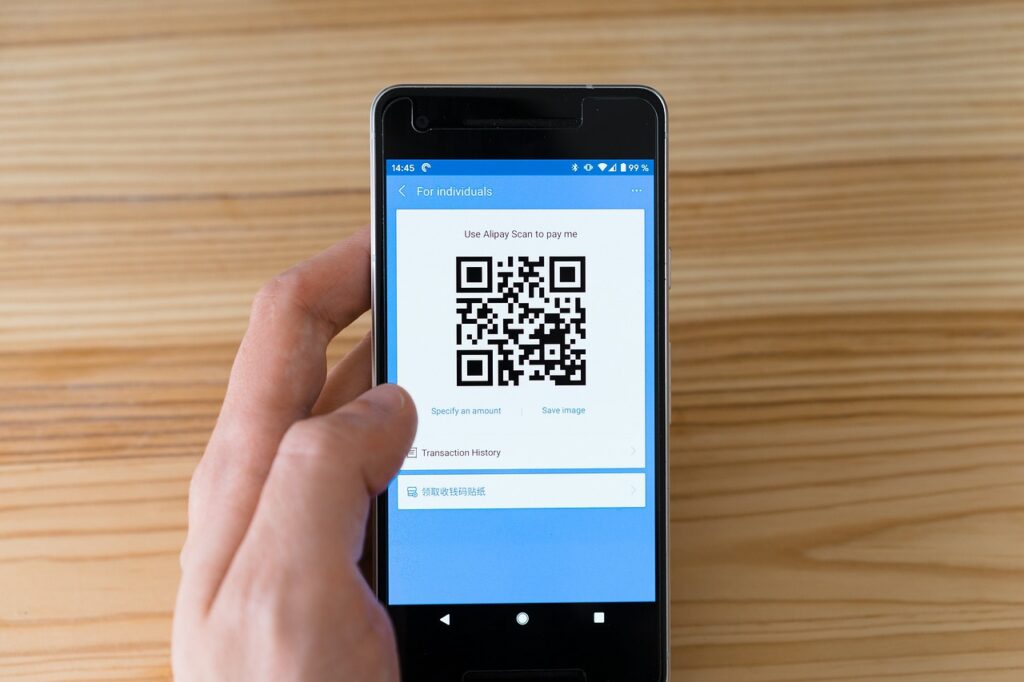

Ever wondered why some payment apps feel effortless while others seem clunky, and how to decide which one truly fits personal needs?
Choosing the right payment app can feel like navigating a maze of features, security claims, and user experiences. This guide breaks down the entire review process into bite-sized steps, explains the jargon, and shows how each element matters in everyday life. Whether a first‑time user or a seasoned digital spender, the following deep‑dive equips anyone with the confidence to assess any payment app objectively. By the end, the reader will see exactly what to look for, why each factor matters, and how the landscape is likely to shift in the coming years.
📝 In This Post
Breaking Down Payment App Reviews
A payment app review—an evaluation that examines a mobile application designed for sending, receiving, or managing money—covers functionality, security, user experience, and cost. Think of it as a restaurant critic tasting every dish, checking the ambiance, and noting the price before giving a rating. The review process translates technical performance into understandable pros and cons for everyday users. mobile application designed
In the context of digital finance, payment apps (also called mobile wallets or digital payment platforms) replace cash and cards with a smartphone‑based interface. They often integrate features such as peer‑to‑peer transfers, QR‑code scanning, bill pay, and even cryptocurrency support. Understanding how these pieces fit together helps reviewers weigh each aspect fairly.
| Aspect | What It Means | Typical Metrics | Why Reviewers Care |
|---|---|---|---|
| Security | Protection against fraud, hacking, and unauthorized access—often using encryption and biometric checks. | Encryption level, two‑factor authentication, compliance certifications. | Users need confidence that their money and data are safe. |
| Usability | Ease of navigation, clarity of instructions, and speed of transactions. | Task completion time, number of taps, onboarding success rate. | A smooth experience reduces friction and encourages frequent use. |
| Cost | Fees associated with transfers, currency conversion, or premium features. | Percentage per transaction, monthly subscription, hidden charges. | High fees can deter users, especially for small‑value payments. |
| Integration | Ability to connect with banks, retailers, loyalty programs, and other apps. | Number of supported banks, APIs, third‑party partnerships. | Broader integration offers more utility and convenience. |
Top Payment App Review Innovations to Know
1. Real‑Time Fraud Detection Engines
Modern review tools now incorporate AI‑driven fraud detection that scans each transaction as it happens.
This innovation uses machine learning algorithms—computer programs that improve through data—to spot anomalies such as unusual locations or amounts. Reviewers assess the engine’s false‑positive rate, speed of alert, and transparency of user notifications.
- What You Gain:
- Immediate protection against suspicious activity.
- Reduced need for manual dispute handling.
- Higher trust scores from security‑focused users.
2. Biometric Authentication Layers
Beyond passwords, many apps now require fingerprint or facial recognition to authorize payments.
These biometric methods—unique physical characteristics used to verify identity—are evaluated for accuracy, fallback options, and impact on transaction speed. Reviewers note whether the app supports multiple biometrics and how it handles failed attempts. These biometric methodsunique
- What You Gain:
- Hands‑free, fast approvals.
- Lower risk of credential theft.
- Inclusive options for users with disabilities.
3. Integrated Expense Categorization
Some payment apps automatically sort each spend into categories like groceries, travel, or entertainment.
This feature relies on natural language processing—software that understands human language—to read merchant names and assign labels. Reviewers examine categorization accuracy, customization flexibility, and export capabilities for budgeting tools.
- What You Gain:
- Instant insight into spending habits.
- Seamless export to personal finance software.
- Better budgeting without extra apps.
4. Cross‑Border Low‑Cost Transfers
Traditional banks charge hefty fees for international payments; new apps aim to cut those costs dramatically.
Reviewers compare exchange rate margins, transfer speed, and regulatory compliance across regions. The focus is on whether the app truly offers “near‑zero” fees without hidden markup.
- What You Gain:
- Significant savings on overseas remittances.
- Faster delivery compared to legacy banks.
- Transparent pricing structures.
5. In‑App Loyalty & Rewards Programs
Payment apps increasingly embed reward schemes that give cash back, points, or discounts directly within the transaction flow. Payment apps increasingly
Reviewers measure reward earn rates, redemption ease, and partnership breadth. They also check if the rewards are tied to user data in a privacy‑respectful manner.
- What You Gain:
- Extra value on everyday purchases.
- Simple redemption without separate accounts.
- Potential for personalized offers.
How This Affects Everyday Life
✔ Faster Transaction Times
Instant approvals mean no waiting at the checkout, whether paying for coffee or splitting a ride.
✔ Heightened Security Confidence
Biometric locks and real‑time fraud alerts reduce anxiety about unauthorized charges. realtime fraud alerts
✔ Clear Spending Visibility
Automatic categorization turns a chaotic list of receipts into a tidy dashboard, simplifying budgeting.
✔ Lower International Costs
Travelers can send money home or pay abroad without the usual bank markup, preserving more of their earnings.
✔ Reward Accumulation Made Simple Reward Accumulation Made
Cash back appears directly in the app balance, eliminating the need to track coupons or separate loyalty cards.
✔ Seamless Integration with Other Services
Linking directly to bank accounts, investment platforms, or e‑commerce sites streamlines daily financial chores.
Looking Ahead
- Widespread Adoption of Decentralized Identity (DID) Systems
Future apps will let users control their own digital identity, reducing reliance on centralized password vaults.
- AI‑Powered Personal Finance Coaching
Embedded advisors will analyze spending patterns and suggest actionable savings tips in real time. Embedded advisors will
- Voice‑Activated Payments via Smart Assistants
Hands‑free commands will allow users to approve transactions through spoken verification, expanding accessibility.
- Regulatory‑Driven Interoperability Standards
Governments may mandate common APIs, enabling any approved app to transfer funds across platforms without friction.
- Expanded Use of Stablecoin Settlements
Stablecoins—cryptocurrencies pegged to a stable asset—could become the default settlement layer for cross‑border payments, offering speed and low fees.
| Feature | Current State | 2025 Projection | Key Benefit |
|---|---|---|---|
| Biometric Options | Fingerprint only for most apps | Multi‑modal (fingerprint, face, iris) | Greater accessibility and security. |
| Cross‑Border Fees | 2‑5% on average | Under 1% with blockchain bridges | More money stays with the sender. |
| AI Expense Insights | Basic spend summaries | Predictive budgeting alerts | Proactive financial health. |
| Inter‑App Transfers | Limited to same‑provider networks | Universal QR codes across providers | True interoperability for users. |
What It All Means
Payment app reviews now hinge on security, speed, cost, and integrated intelligence, turning a simple transaction into a holistic financial experience. By dissecting each component step by step, users can match an app’s strengths to personal priorities, ensuring confidence and value in everyday payments. As technology advances, these reviews will become even more critical, guiding consumers through an increasingly connected financial world.