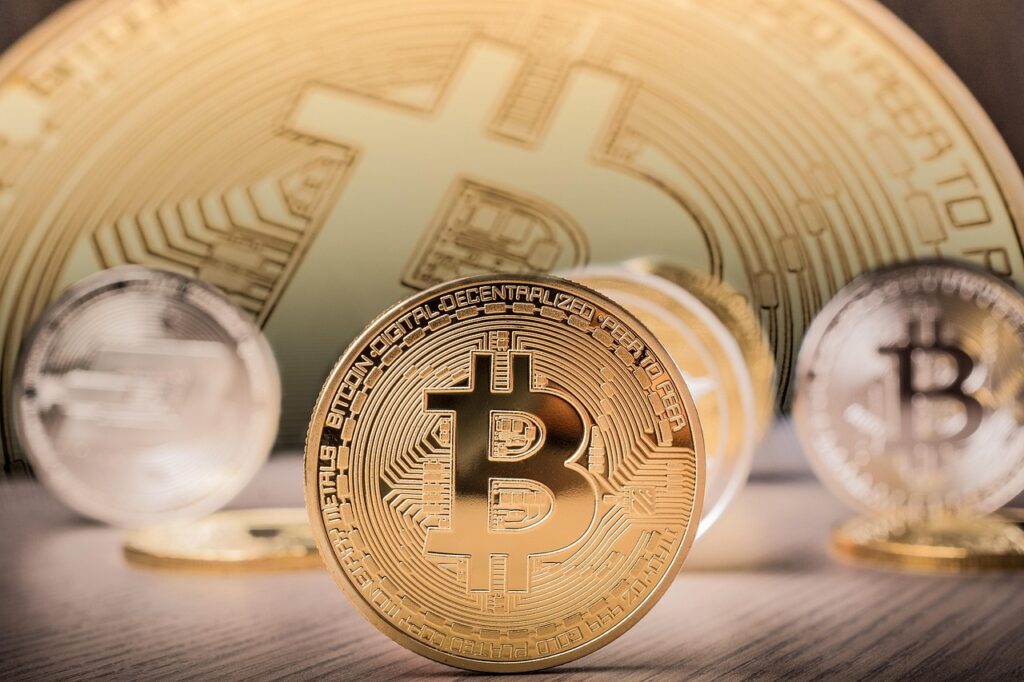

When Maya moved her $12,000 Bitcoin from an exchange to a hardware wallet, the difference was night and day. Within a week she stopped worrying about phishing emails, and her transaction confirmations went from minutes to seconds. The shift didn’t just protect her assets; it freed up mental space for new investments. Choosing the right crypto wallet matters because it sits at the intersection of security, accessibility, and cost. A misstep can expose funds to theft, while the perfect fit can streamline daily crypto use. This guide unpacks the landscape, compares the leading solutions, and equips readers with a decision framework that works for beginners and seasoned traders alike.
📝 In This Post
What Is a Crypto Wallet?
A crypto wallet is a digital tool that stores the cryptographic keys needed to send and receive cryptocurrencies. It does not hold the coins themselves; rather, it holds the private keys that prove ownership on the blockchain. There are two primary components: the public address (like a bank account number) and the private key (the secret password). If the private key is lost, the assets are irretrievable; if it is compromised, the assets can be stolen.
Beyond simple key storage, modern wallets offer features such as transaction signing, multi‑signature support, built‑in exchanges, and even staking. Understanding these capabilities is essential before diving into a side‑by‑side comparison, because the right choice hinges on the user’s priorities—whether they value maximum security, ease of use, low fees, or advanced DeFi integrations.
| Metric | Why It Matters | Typical Range |
|---|---|---|
| Security Level | Protects private keys from theft or loss. | Hardware > Software > Custodial |
| User Control | Degree of ownership over keys and transactions. | Full > Partial > None |
| Cost (Initial) | Up‑front expense for hardware or premium software. | $0‑$200+ |
| Transaction Speed | Time taken to sign and broadcast a transaction. | Instant (offline) to a few seconds (online) |
Top Crypto Wallet Innovations to Know
Ledger Nano X
The Ledger Nano X is a Bluetooth‑enabled hardware wallet that stores private keys offline. Since its 2019 launch, it has become a go‑to for investors holding multiple assets, supporting over 1,800 tokens. Bluetoothenabled hardware wallet
- Key Benefits:
- Air‑gapped security keeps keys isolated from internet threats.
- Bluetooth connectivity allows mobile use without compromising safety.
- Large capacity for up to 100 apps simultaneously.
- Hurdles to Overcome:
- Initial cost of $149 can be a barrier for casual users.
- Bluetooth, while convenient, introduces a small attack surface if not paired securely.
Best for: Investors who prioritize top‑tier security and need multi‑currency support.
MetaMask (Browser Extension)
MetaMask started as a Chrome extension in 2016 and now powers the majority of Ethereum‑based dApp interactions. Its user‑friendly interface has attracted over 30 million active wallets.
- Key Benefits:
- Seamless integration with DeFi platforms and NFT marketplaces.
- Free to download; only transaction fees apply.
- Open‑source code encourages community audits.
- Hurdles to Overcome:
- Being a hot wallet, it is vulnerable to phishing attacks.
- Limited to browsers; mobile experience requires a separate app.
Best for: Users who actively trade, stake, or explore decentralized applications.
Coinbase Wallet (Custodial Mobile)
Coinbase Wallet, distinct from the Coinbase exchange, offers a mobile‑first experience with built‑in fiat on‑ramps. As of 2023, it reported over 10 million downloads worldwide. Coinbase Wallet distinct
- Key Benefits:
- Integrated fiat purchase options simplify onboarding.
- Biometric authentication adds a layer of convenience.
- Custodial backup means lost devices don’t equal lost funds.
- Hurdles to Overcome:
- Custodial nature means users do not fully control private keys.
- Higher fees for certain swaps compared to decentralized alternatives.
Best for: Beginners who want a seamless bridge between fiat and crypto.
Electrum (Desktop Software)
Electrum, launched in 2011, remains a lightweight Bitcoin desktop wallet praised for its speed and customizability. Power users in Europe and Japan still favor it for advanced transaction control.
- Key Benefits:
- Supports cold storage via hardware wallet integration.
- Advanced features like Replace‑by‑Fee (RBF) and multi‑signature.
- Low resource usage; runs on modest hardware.
- Hurdles to Overcome:
- Interface can feel dated to newcomers.
- Limited support for non‑Bitcoin assets.
Best for: Bitcoin purists who need granular control over fees and transaction types.
Trust Wallet (Mobile Multi‑Chain)
Acquired by Binance in 2018, Trust Wallet offers a single app for over 40,000 tokens across multiple blockchains, including Binance Smart Chain, Solana, and Polygon. Trust Wallet offers
- Key Benefits:
- One‑stop solution for a broad range of assets.
- Built‑in DEX and staking options.
- QR code scanning makes receiving funds effortless.
- Hurdles to Overcome:
- As a hot wallet, it is exposed to mobile malware.
- Customer support is primarily community‑driven, which can delay issue resolution.
Best for: Mobile‑first users who juggle multiple blockchain ecosystems.
| Option | Best For | Difficulty | Cost | Speed |
|---|---|---|---|---|
| Ledger Nano X | High‑security multi‑asset investors | Medium | $149 (initial) | Instant (offline signing) |
| MetaMask | DeFi enthusiasts | Low | Free | Seconds (online) |
| Coinbase Wallet | Newcomers needing fiat on‑ramp | Low | Free (fees on swaps) | Seconds |
| Electrum | Bitcoin power users | Medium‑High | Free | Instant |
| Trust Wallet | Multi‑chain mobile traders | Low | Free | Seconds |
How to Choose the Right One
First, identify the primary purpose of the wallet. Security is paramount for long‑term storage; if the goal is to hold a sizable portfolio for years, a hardware solution like Ledger or Trezor should dominate the decision matrix. Conversely, if the aim is daily interaction with DeFi protocols, a hot wallet such as MetaMask or Trust Wallet offers the speed and integration needed.
Second, evaluate control over private keys. Custodial wallets (e.g., Coinbase Wallet) simplify recovery but relinquish full ownership. Users uncomfortable with trusting a third party should gravitate toward non‑custodial options where the seed phrase remains in their hands.
Third, consider the ecosystem compatibility. A trader focusing on Ethereum and its Layer‑2 solutions will benefit from MetaMask’s extensive dApp support. In contrast, a user holding assets across Binance Smart Chain, Solana, and Polygon will find Trust Wallet’s multi‑chain UI more efficient. Layer2 solutions will
Fourth, factor in cost and convenience. While hardware wallets impose an upfront fee, they eliminate ongoing transaction fees associated with key recovery services. Free software wallets may appear attractive, yet hidden costs arise from higher network fees when using built‑in exchanges.
Finally, assess personal technical comfort level. Beginners may stumble over Electrum’s advanced fee controls or the seed‑phrase backup process required by hardware wallets. In those cases, a user‑friendly mobile wallet with clear onboarding tutorials can reduce friction and prevent mistakes that lead to lost funds.
Practical Takeaways
Choosing a secure wallet reduces the risk of unauthorized access and potential loss of assets, giving peace of mind during market volatility.
Having full control over private keys ensures that ownership cannot be revoked by a third party, preserving true decentralization. Having full control
Integrating a wallet with popular dApps streamlines participation in DeFi, NFT trading, and yield farming, opening additional income streams.
Hardware wallets provide offline storage, which eliminates exposure to internet‑based attacks such as phishing or malware.
Mobile wallets with biometric login speed up everyday transactions, making crypto as convenient as traditional banking.
Understanding fee structures across wallet types helps users minimize transaction costs and maximize net returns on trades. structures across wallet
One Last Thing
The optimal crypto wallet aligns with the user’s security needs, activity level, and preferred blockchain ecosystem. By weighing control, cost, and convenience, anyone can select a solution that safeguards assets while enabling seamless crypto use.