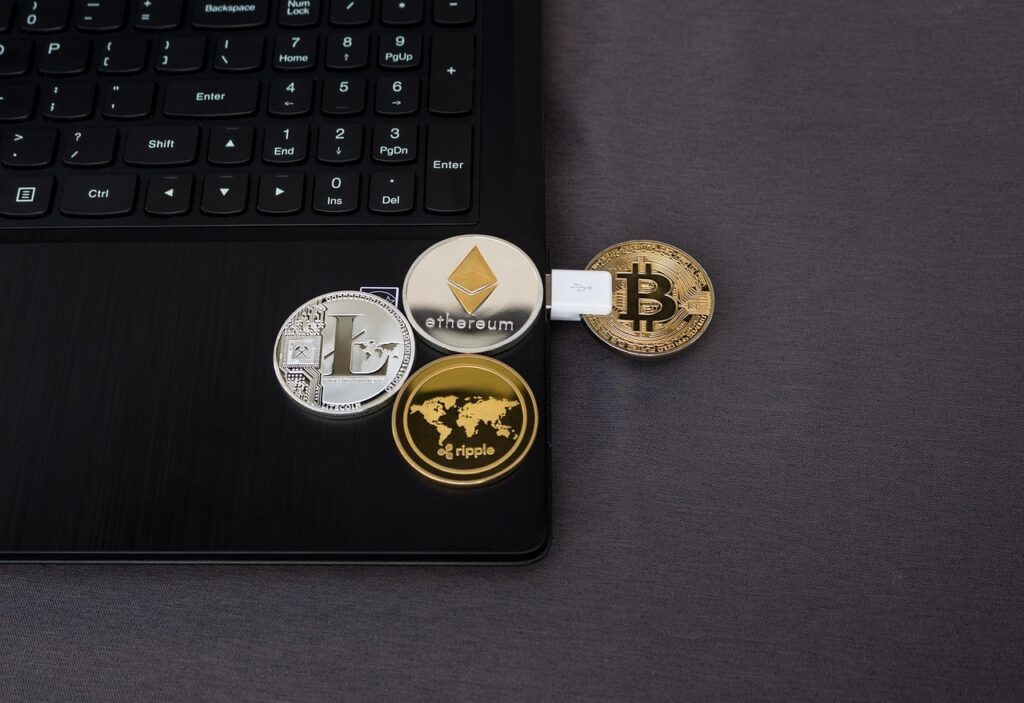

Introduction to Crypto Wallets
For beginners who have just discovered the concept of crypto wallets, the path to understanding and utilizing these secure storage solutions can be both exciting and intimidating. Data from 2024 suggests that the global cryptocurrency market has grown significantly, with over 300 million users worldwide. However, this growth also brings concerns about security and asset protection. Industry studies show that a substantial portion of cryptocurrency losses can be attributed to poor storage and management practices. In contrast, users who employ reputable crypto wallets can enjoy enhanced security, ease of use, and peace of mind.
&#; What You'll Learn
Breaking Down Crypto Wallets
A crypto wallet is essentially a software program designed to store, send, and receive digital currencies. It functions by generating a pair of keys: a public key for receiving funds and a private key for spending or transferring them. The security and usability of a crypto wallet can vary greatly depending on its type and the technology it employs.
| Term | Plain-English Meaning |
|---|---|
| Private Key | A secret code used to spend or transfer cryptocurrencies. |
| Public Key | A publicly shared address used to receive cryptocurrencies. |
| Blockchain | A decentralized ledger that records all transactions made with a particular cryptocurrency. |
| Cold Storage | A method of storing cryptocurrencies offline to enhance security. |
| Hot Wallet | A software wallet connected to the internet, making it more susceptible to hacking but convenient for frequent transactions. |
| Seed Phrase | A list of words used to restore a crypto wallet in case it is lost or damaged. |
Why Crypto Wallets Matter
Crypto wallets are crucial for anyone involved in the cryptocurrency ecosystem, whether as an investor, trader, or user. They provide a secure means to manage digital assets, ensuring that funds are protected from theft and unauthorized access. According to a study, the use of secure crypto wallets can reduce the risk of asset loss by up to 90%. Moreover, industry reports indicate that the demand for crypto wallets is on the rise, driven by the increasing adoption of cryptocurrencies for everyday transactions and investments. For instance, in 2022, the number of crypto wallet users grew by 25%, reflecting a significant shift towards digital financial solutions.
The real-world impact of crypto wallets can also be seen in their role in facilitating cross-border transactions. With traditional banking systems, international transactions can be slow and costly due to high fees and lengthy processing times. In contrast, transactions conducted through crypto wallets can be completed almost instantly, with fees that are significantly lower. This makes crypto wallets an attractive option for individuals and businesses looking to send or receive funds across borders.
Furthermore, crypto wallets play a pivotal role in the development of decentralized finance (DeFi) applications. DeFi aims to disrupt traditional financial systems by offering financial services that are accessible, transparent, and free from central authority control. Crypto wallets are essential for users to interact with DeFi platforms, enabling them to lend, borrow, and trade cryptocurrencies in a decentralized manner. As DeFi continues to grow, the importance of secure, user-friendly crypto wallets will only continue to increase.
Leading Crypto Wallet Solutions
1. Hardware Wallets
Hardware wallets are physical devices designed to securely store private keys offline. They are considered one of the safest ways to store cryptocurrencies because they are not connected to the internet, thereby reducing the risk of hacking. To use a hardware wallet, users first need to set it up by creating a pin and generating a seed phrase for recovery purposes. After setup, users can send and receive cryptocurrencies by connecting the device to a computer and using a companion software. A common beginner mistake when using hardware wallets is failing to properly back up the seed phrase, which can lead to permanent loss of funds if the device is lost or damaged. physical devices designed
- Strengths:
- High security due to offline storage
- Physical possession of the device adds an extra layer of protection
2. Software Wallets
Software wallets are programs or applications that can be installed on computers or mobile devices. They are more convenient than hardware wallets for everyday use, as they allow for quick and easy transactions. However, because they are connected to the internet, they are more vulnerable to hacking than hardware wallets. Setting up a software wallet typically involves downloading and installing the wallet software, then generating a new wallet by creating a password and seed phrase. Users can then send, receive, and manage their cryptocurrencies through the wallet’s interface. A common mistake beginners make with software wallets is using weak passwords or failing to enable two-factor authentication, which can compromise the security of their funds. more convenient than
- Strengths:
- Convenient for frequent transactions
- Easily accessible on various devices
3. Paper Wallets
Paper wallets are a type of cold storage where private keys are printed on a physical medium, such as paper or metal. They are highly secure if generated and stored properly, as they are not connected to the internet and are less susceptible to software vulnerabilities. To create a paper wallet, users must generate a pair of keys using a secure, offline method and then print or engrave them on a durable material. It is crucial to store paper wallets in a safe place, such as a fireproof safe or a safe deposit box, to protect against physical loss or damage. A beginner’s mistake with paper wallets is generating the keys on a connected device, which could expose the private key to potential hackers.
- Strengths:
- Highly secure if properly generated and stored
- Cost-effective compared to hardware wallets
4. Mobile Wallets
Mobile wallets are apps installed on smartphones, allowing users to manage their cryptocurrencies on the go. They are convenient for making transactions in physical stores that accept cryptocurrencies. Setting up a mobile wallet involves downloading the app, creating an account, and generating a new wallet. Users can then use the app to send and receive cryptocurrencies, as well as to monitor their balances and transaction history. However, mobile wallets can be vulnerable to malware and other mobile-specific threats, so it is essential to choose a reputable app and keep the device secure. A common mistake beginners make is not regularly updating the wallet app, which can leave it exposed to known vulnerabilities.
- Strengths:
- Convenient for mobile payments
- Easily accessible and user-friendly
5. Desktop Wallets
Desktop wallets are software programs installed on personal computers. They offer a balance between security and convenience, as they can be more secure than mobile wallets but less so than hardware wallets. To use a desktop wallet, users first download and install the software, then create a new wallet by setting a password and generating a seed phrase. Users can then manage their cryptocurrencies, including sending and receiving funds, through the wallet’s interface. A beginner’s mistake with desktop wallets is storing the wallet file in an insecure location, such as an unprotected folder, which can increase the risk of unauthorized access. software programs installed
- Strengths:
- More secure than mobile wallets due to better control over the environment
- Can offer advanced features for managing cryptocurrencies
6. Online Wallets
Online wallets, also known as web wallets, are accessible through a web browser. They are the most convenient type of wallet for accessing cryptocurrencies from any device with an internet connection. However, they are also the least secure, as they are hosted by a third party and are vulnerable to hacking and other online threats. Setting up an online wallet typically involves creating an account with a wallet provider and setting up two-factor authentication to add an extra layer of security. Users can then send, receive, and manage their funds through the provider’s website. A common mistake beginners make with online wallets is not thoroughly researching the provider, which can lead to choosing a service with poor security practices. Online wallets also
- Strengths:
- Highly convenient for accessing funds from anywhere
- Often provides an easy-to-use interface for beginners
7. Hybrid Wallets
Hybrid wallets combine different types of wallets to offer a balance between security and convenience. For example, a wallet might offer the security of a hardware wallet for storing large amounts of cryptocurrency, while also providing the convenience of a software wallet for everyday transactions. To use a hybrid wallet, users typically set up both components according to their respective setup processes and then manage their funds by switching between the secure storage and the convenient interface as needed. A beginner’s mistake with hybrid wallets is not understanding the different components and how they interact, which can lead to confusion and potential security risks.
- Strengths:
- Offers a flexible solution for managing different amounts of cryptocurrencies
- Can provide advanced security features by combining cold and hot storage
| Step | What You Do | Expected Result |
|---|---|---|
| 1. Choose a Wallet Type | Research and decide on the most appropriate wallet type based on security needs and intended use. | Secure storage solution tailored to user requirements. |
| 2. Set Up the Wallet | Follow the manufacturer’s or provider’s instructions to set up the wallet, including generating keys and setting passwords. | A fully functional wallet ready for use. |
| 3. Backup the Wallet | Create a backup of the wallet, especially the seed phrase, to ensure recovery in case of loss or damage. | Secure backup of wallet data for recovery purposes. |
| 4. Secure the Device | Implement security measures on the device used to access the wallet, such as antivirus software and a firewall. | A secure environment for managing cryptocurrencies. |
| 5. Monitor Transactions | Regularly check the wallet for any suspicious activity and monitor transaction history. | Early detection of potential security breaches. |
| 6. Update Wallet Software | Keep the wallet software up to date to ensure the latest security patches and features are installed. | Enhanced security and functionality of the wallet. |
| 7. Educate Yourself | Continuously learn about best practices for crypto wallet security and stay informed about market trends and potential risks. | Improved understanding and management of cryptocurrencies. |
Frequently Asked Questions
1. What is the safest type of crypto wallet?
Hardware wallets are generally considered the safest type of crypto wallet due to their offline storage and physical security features. However, the safest wallet for a particular user depends on their specific needs and how they intend to use their cryptocurrencies. their offline storage
2. Can I use a crypto wallet for all types of cryptocurrencies?
Not all crypto wallets support all types of cryptocurrencies. The compatibility of a wallet with a specific cryptocurrency depends on the wallet’s software and the cryptocurrency’s underlying technology. Users should check the wallet’s specifications before choosing it for their needs. crypto wallets support
3. How do I choose the best crypto wallet for me?
Choosing the best crypto wallet involves considering factors such as security, ease of use, compatibility with the desired cryptocurrencies, and the user’s level of technical expertise. It is also important to read reviews and research the wallet provider’s reputation.
4. What happens if I lose my crypto wallet or it gets damaged?
If a crypto wallet is lost or damaged, the user can restore it using the seed phrase, provided it was properly backed up. Losing access to the seed phrase can result in the permanent loss of the cryptocurrencies stored in the wallet.
5. Are crypto wallets regulated?
The regulation of crypto wallets varies by country and is a rapidly evolving area. While some countries have established clear guidelines for the use and provision of crypto wallets, others have not. Users should be aware of the legal requirements in their jurisdiction.
One Last Thing
The world of crypto wallets is complex and constantly evolving, driven by advances in technology and changes in regulatory environments. As the cryptocurrency market continues to grow, the importance of secure, reliable, and user-friendly crypto wallets will only increase. By understanding the different types of wallets, their strengths and weaknesses, and how to use them securely, individuals can better navigate the digital asset landscape. With the right knowledge and tools, managing cryptocurrencies can be both secure and rewarding.