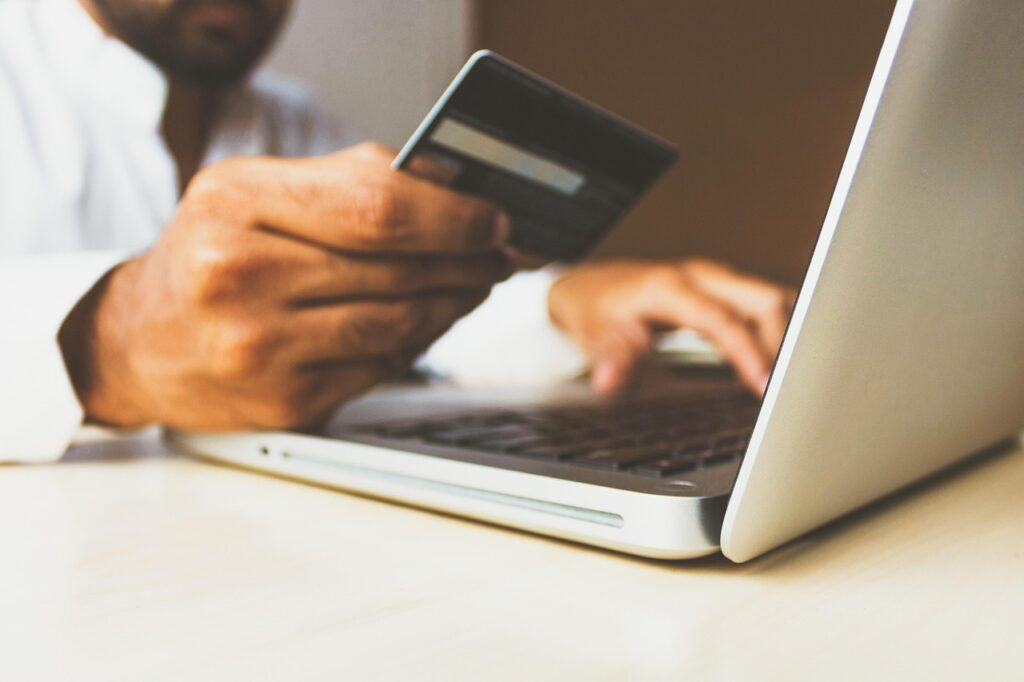

Every day, over 25 million online transactions take place worldwide, highlighting the significant role online payments play in modern commerce. For someone just discovering this topic, it’s essential to understand that online payments refer to the process of making transactions over the internet – using a computer, smartphone, or other digital devices. This method of payment has become indispensable for both individuals and businesses, given its convenience and speed. The ability to pay bills, purchase products, or send money to friends and family with just a few clicks has transformed the financial landscape. The significance of this number lies in the vast and growing demand for secure, efficient, and user-friendly payment solutions. As technology advances, the options and security measures for online payments continue to evolve, making it a fascinating and rapidly changing field. The process of making online payments involves various stakeholders, including the consumer, the merchant, the payment processor, and the bank – all working together to facilitate a seamless transaction experience.
📝 Quick Navigation
The Basics of Online Payments
Online payments – also known as e-payments or electronic payments – are transactions that take place over the internet, where the payer and the payee use digital modes of payment (like credit cards, online banking, or digital wallets) to exchange money for goods or services. A key component of online payments is the payment gateway (a service that processes credit card transactions and other payment methods), which acts as an intermediary between the customer’s payment method and the merchant’s bank account. To initiate an online payment, a customer typically enters their payment information (such as credit card number, expiration date, and security code) into a form on the merchant’s website, which is then encrypted (or scrambled) for security and sent to the payment gateway for processing. The payment gateway then communicates with the bank that issued the customer’s credit card to verify the availability of funds and to obtain authorization for the transaction.
| Term | Plain-English Meaning |
|---|---|
| Payment Gateway | A service that processes credit card transactions and other payment methods, acting as a bridge between the customer and the merchant. |
| Encryption | The process of scrambling data (like credit card numbers) to protect it from unauthorized access, making it unreadable to anyone without the decryption key. |
| Authorization | The process of verifying that the customer has enough money in their account to make a purchase, and getting permission from the bank to proceed with the transaction. |
| Digital Wallet | An electronic device or software that stores payment information (like credit card details) and makes online transactions easier and faster. |
| Merchant | The individual or business selling goods or services and receiving payments through online transactions. |
| Transaction Fee | A small charge deducted from the transaction amount, paid by the merchant to the payment processor for facilitating the transaction. |
Why Online Payments Matter
Online payments offer numerous benefits to both consumers and merchants. For consumers, the convenience of making payments from anywhere, at any time, is unparalleled. It eliminates the need to carry cash or visit physical stores, making shopping experiences more flexible and accessible. Moreover, online payments provide a record of transactions, which can help in tracking expenses and managing budgets more effectively. For merchants, accepting online payments opens up their customer base to a global audience, significantly increasing their potential sales. It also reduces the costs associated with handling cash and the risks of counterfeit money. Furthermore, online payments processing provides valuable insights into consumer behavior, helping businesses to tailor their offerings and marketing strategies more effectively.
The impact of online payments on the economy is substantial. In 2020, online transactions accounted for over $4 trillion in sales worldwide, a figure that continues to grow annually. This shift towards digital payments has created new opportunities for businesses, especially small and medium-sized enterprises (SMEs), to compete on a larger scale. It has also spurred innovation in the financial technology (fintech) sector, leading to the development of more secure, efficient, and accessible payment solutions. For instance, the rise of contactless payments and mobile wallets has made transactions faster and more convenient, reducing queues in stores and enhancing the overall shopping experience.
The real-world impact of online payments can be seen in various aspects of life, from buying groceries online to paying utility bills. It has transformed the way people manage their finances, making it easier to send money across borders, invest in stocks, and even support causes through crowdfunding platforms. The security features embedded in online payment systems, such as two-factor authentication (a method that requires a second form of verification, like a code sent to your phone, in addition to your password) and encryption, protect transactions from fraud and cyber threats. As a result, online payments have become an integral part of daily life, offering a level of convenience, speed, and security that traditional payment methods cannot match. buying groceries online
Online Payment Methods Worth Knowing
1. Credit/Debit Cards
Credit and debit cards are among the most widely used methods for online payments. They are convenient, as most people already have them, and they offer a certain level of buyer protection. To use a credit or debit card online, simply enter the card number, expiration date, and security code on the payment page of the website you’re purchasing from. Ensure that the website is secure (look for ‘https’ in the URL and a lock icon in the address bar) to protect your card details from being intercepted. A common beginner mistake is not checking the website’s security, which can lead to fraud.
- Why It Works: It’s widely accepted, offers buyer protection, and is easy to use.
- It provides a record of the transaction, which can be useful for tracking expenses.
2. Digital Wallets
Digital wallets, like Apple Pay, Google Pay, and PayPal, are becoming increasingly popular for online payments. They store your payment information securely, allowing for quick and easy transactions without having to enter your card details every time. To set up a digital wallet, download the app, add your card information, and follow the verification process. When making a payment, simply select the digital wallet as your payment method and confirm the transaction. Be cautious of phishing attempts that might try to steal your wallet login credentials.
- Why It Works: It enhances security by not sharing your actual card details with merchants and offers faster checkout times.
- It’s convenient for making payments on-the-go, especially with mobile devices.
3. Bank Transfers
Bank transfers involve moving money directly from your bank account to the merchant’s account. This method is often used for larger transactions or for paying bills. To make a bank transfer, you’ll need the recipient’s bank details (account number and routing number), and you’ll initiate the transfer through your online banking platform. Ensure you have sufficient funds in your account to avoid overdraft fees. A common error is entering the wrong account details, which can result in the transaction being rejected or the funds being sent to the wrong account.
- Why It Works: It’s a secure way to make large transactions and avoids the need for physical cash.
- It provides a clear record of the transaction, which can be useful for accounting purposes.
4. Cryptocurrencies
Cryptocurrencies, such as Bitcoin and Ethereum, are digital currencies that use cryptography for secure financial transactions. They operate independently of central banks and can be used for online payments. To use cryptocurrencies, you’ll need a digital wallet that supports them, and you’ll purchase the cryptocurrency through an exchange. Cryptocurrencies offer a high level of anonymity and can be used for cross-border transactions without the need for traditional banking systems. However, their value can be highly volatile, and transactions are irreversible, so it’s crucial to understand the risks. A beginner’s mistake is not fully grasping the volatility and security risks associated with cryptocurrencies.
- Why It Works: It offers a decentralized form of currency, which can be attractive for certain types of transactions.
- It provides a level of anonymity, as transactions are recorded on a public ledger without linking to personal identities.
5. Invoice Payments
Invoice payments allow customers to pay for goods or services after receiving an invoice from the merchant. This method is commonly used in B2B transactions. To make an invoice payment, you’ll typically receive an invoice via email with payment instructions, which may include a link to a payment portal or bank transfer details. Ensure you verify the invoice details to avoid making payments to fraudulent accounts. A common mistake is delaying payments, which can lead to late fees and damage to your credit score.
- Why It Works: It provides flexibility in payment terms, allowing businesses to manage their cash flow more effectively.
- It offers a formal and traceable method of payment, which can help in maintaining good business relationships.
6. Prepaid Cards
Prepaid cards are loaded with a certain amount of money and can be used for online payments. They are a good option for those who want to control their spending or for making small transactions. To use a prepaid card, purchase one with a specific amount, register it if required, and then use it like a regular credit card for online purchases. Be aware of any fees associated with the card, such as activation or transaction fees. A beginner’s error is not checking the card’s balance before making a purchase, leading to declined transactions.
- Why It Works: It helps in budgeting, as you can only spend the amount loaded on the card.
- It’s a safer option than carrying cash and can be used for online transactions without exposing your main credit or debit card details.
7. Mobile Payments
Mobile payments, such as those made through apps or contactless payment methods, are gaining popularity. They offer convenience and speed, allowing for quick transactions in-store or online. To use mobile payments, download a payment app, link your card or bank account, and follow the in-app instructions for making payments. Be cautious of apps that ask for unnecessary permissions, which could compromise your financial information. A common mistake is not securing your mobile device with a PIN or fingerprint, making it vulnerable to unauthorized transactions.
- Why It Works: It’s convenient for small, everyday purchases, reducing the need to carry cash or cards.
- It often includes additional security features, such as tokenization, to protect transaction data.
| Step | What You Do | Expected Result |
|---|---|---|
| 1. Credit/Debit Cards | Enter card details on a secure website. | Successful transaction with buyer protection. |
| 2. Digital Wallets | Set up and use a digital wallet for payments. | Fast and secure transactions without sharing card details. |
| 3. Bank Transfers | Initiate a transfer from your bank account. | Secure transfer of funds directly to the recipient’s account. |
| 4. Cryptocurrencies | Purchase and use cryptocurrency for transactions. | Decentralized and potentially anonymous transactions. |
| 5. Invoice Payments | Pay invoices received from merchants. | Flexible payment terms and formal transaction records. |
| 6. Prepaid Cards | Load and use a prepaid card for transactions. | Controlled spending and safe transactions without exposing main accounts. |
| 7. Mobile Payments | Use mobile devices for contactless or in-app payments. | Convenient and often more secure transactions using mobile devices. |
Frequently Asked Questions
What are the most secure methods for making online payments?
The most secure methods for making online payments include using reputable payment gateways that offer two-factor authentication, such as PayPal or credit cards with additional verification steps. Digital wallets like Apple Pay or Google Pay also offer secure transactions by not sharing your actual card details with merchants. It’s essential to ensure the website you’re purchasing from is secure (look for ‘https’ in the URL) to protect your payment information.
How do I protect myself from online payment fraud?
Protecting yourself from online payment fraud involves being vigilant about the websites you shop on, ensuring they are secure and reputable. Always look for ‘https’ in the URL and a lock icon in the address bar. Use strong, unique passwords for your accounts, and enable two-factor authentication when possible. Be cautious of emails or messages asking for your payment information, and never click on suspicious links.
Can I get a refund if I’m not satisfied with my purchase?
The ability to get a refund depends on the return and refund policy of the merchant. Most reputable online stores offer a clear refund policy, which may include returning the item within a certain timeframe or contacting their customer service. Payment methods like credit cards or PayPal often offer buyer protection, which can help facilitate refunds in case of disputes.
How do online payments affect small businesses and entrepreneurs?
Online payments have opened up new opportunities for small businesses and entrepreneurs by allowing them to reach a global customer base. It enables them to compete with larger corporations by providing a secure and convenient way to accept payments from anywhere in the world. This accessibility can significantly increase their sales potential and help them manage transactions more efficiently.
What is the future of online payments, and how will it evolve?
The future of online payments is expected to be shaped by advancements in technology, such as the integration of artificial intelligence, blockchain, and the Internet of Things (IoT). These developments will likely lead to even more secure, efficient, and personalized payment experiences. The rise of contactless payments, mobile wallets, and cryptocurrencies will continue to play a significant role in how we make transactions online and offline.
Worth Remembering
Online payments have revolutionized the way we shop and do business, offering unparalleled convenience, speed, and security. As technology continues to evolve, it’s essential to stay informed about the latest trends and best practices in online payments to make the most out of this online space. By understanding the various methods and taking necessary precautions, individuals and businesses can harness the full potential of online payments, enhancing their financial transactions and experiences. Embracing the future of online payments with an open mind and a critical eye on security will be key to navigating this rapidly changing field effectively.