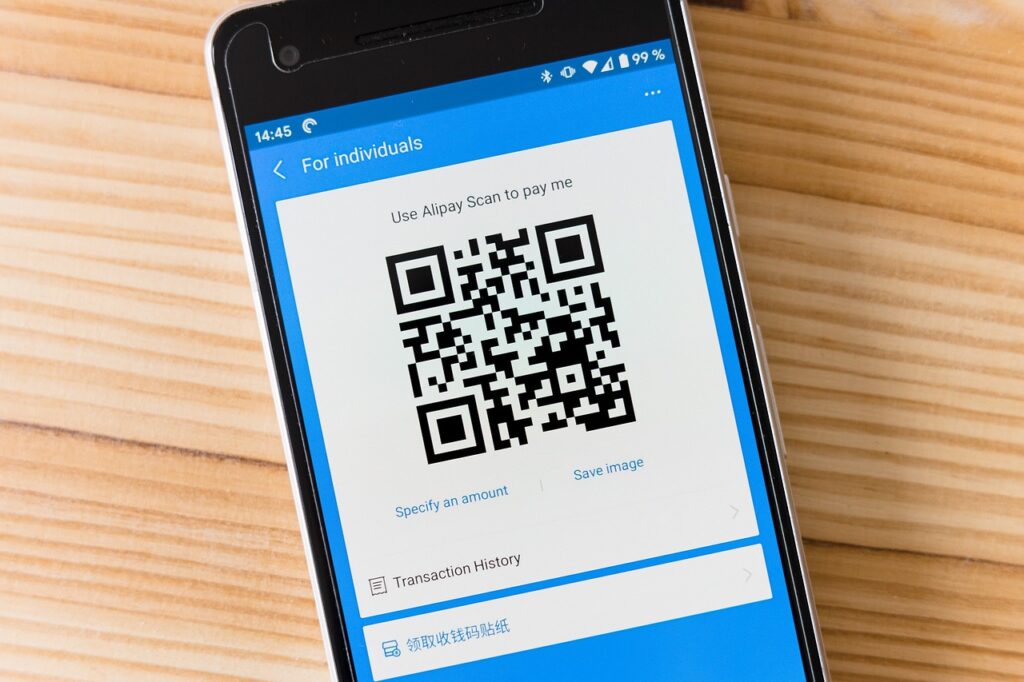

Imagine checking a bank account, paying a bill, and buying a tiny slice of a global company—all from a single phone screen. Yesterday, that might have required a trip to a bank, a stack of paperwork, and a phone call to a broker. Today, a beginner can download an app, set up a profile in minutes, and start managing money with confidence. The transformation is not just about convenience; it is about empowerment, transparency, and control over personal finance.
For anyone stepping into the world of financial technology (fintech—technology designed to improve and automate the delivery and use of financial services), the sheer number of options can feel overwhelming. This guide cuts through the noise, presenting the best fintech apps for beginners, practical tips for getting started, and a look at where the industry is headed. By the end, readers will know exactly which tools to choose, how to use them safely, and why these apps matter for everyday life.
📝 Table of Contents
The Basics of Fintech Apps
Fintech apps are software applications that let users perform financial tasks—such as budgeting, investing, or sending money—directly from a smartphone or computer. Unlike traditional banking, which often requires in‑person visits or complex online portals, fintech apps prioritize user‑friendly interfaces, real‑time updates, and low barriers to entry.</n
These apps typically fall into four main categories: budgeting and expense tracking, peer‑to‑peer payments, investing and trading, and lending/credit building. Each category serves a distinct purpose but often overlaps, allowing users to manage multiple aspects of their finances within a single ecosystem. users perform financial
| Category | Key Function | Typical Users | Popular Example |
|---|---|---|---|
| Budgeting & Tracking | Monitor spending, set goals, automate savings | Anyone wanting to understand where money goes | Mint, YNAB |
| Payments | Send/receive money instantly, split bills | Friends, families, small businesses | Venmo, Cash App |
| Investing & Trading | Buy stocks, ETFs, crypto with low fees | Beginners to experienced traders | Robinhood, Acorns |
| Lending & Credit | Access short‑term loans, build credit score | People with limited credit history | Earnin, Credit Karma |
Top Fintech Apps Innovations to Know
1. Automated Savings Platforms
Automated savings platforms round up everyday purchases and deposit the spare change into a savings account or investment portfolio. This “set‑and‑forget” approach helps beginners accumulate funds without conscious effort.
Apps like Acorns link to a user’s debit or credit card, analyze each transaction, and round the amount up to the nearest dollar. The difference is transferred to a diversified portfolio of exchange‑traded funds (ETFs—investment funds that hold a basket of assets). Over time, the small contributions compound, turning coffee‑shop change into a meaningful nest egg.
- Key Benefits:
- Effortless saving—no manual transfers required.
- Micro‑investment exposure—learn investing with tiny amounts.
- Goal tracking—visual dashboards show progress toward targets.
2. Real‑Time Budgeting Dashboards
Real‑time budgeting dashboards provide instant visibility into spending patterns, categorizing each expense as it occurs. This immediacy helps users adjust habits before overspending becomes a habit.
Apps such as YNAB (You Need A Budget) use the “zero‑based budgeting” method—assigning every dollar a specific job, whether it’s bills, groceries, or fun. The interface shows how much remains in each category, prompting users to reallocate funds if necessary.
- Key Benefits:
- Instant feedback—see the impact of each purchase.
- Flexible categories—customize to match personal priorities.
- Debt reduction tools—track and accelerate payoff plans.
3. Peer‑to‑Peer Payment Integration
Peer‑to‑peer (P2P—direct money transfers between individuals) payment integration allows users to send money instantly without sharing bank details. These services often embed social features like emojis or messages, making the experience feel informal and friendly. Peertopeer P2Pdirect money
Venmo and Cash App not only enable transfers but also support buying and selling of cryptocurrencies, providing a gateway for beginners to explore digital assets within a familiar environment.
- Key Benefits:
- Speed—funds move within seconds.
- Social context—easy to split bills or reimburse friends.
- Additional services—crypto buying, debit cards.
4. Robo‑Advisors for Passive Investing
Robo‑advisors are automated investment services that create and manage portfolios based on user‑provided risk tolerance and goals. The algorithm replaces a human financial advisor, reducing costs dramatically.</n
Betterment and Wealthfront use modern portfolio theory (a framework for constructing portfolios to maximize expected return for a given risk) to allocate assets across stocks and bonds, then rebalance automatically.
- Key Benefits:
- Low fees—typically under 0.5% of assets annually.
- Personalized allocation—tailored to risk profile.
- Automatic rebalancing—maintains target mix without user action.
5. Credit‑Building Tools
Credit‑building tools help users establish or improve their credit scores—numerical ratings that lenders use to assess loan risk. By reporting on‑time payments for rent, utilities, or small loans, these apps create a positive credit history.
Self (formerly Self Lender) offers a secured credit builder loan, where the borrowed amount is locked in a certificate of deposit until the user repays it, simultaneously building credit.
- Key Benefits:
- Accessible to those with limited credit history.
- Transparent reporting—updates to major credit bureaus.
- Financial education—resources to understand credit scores.
How This Affects Everyday Life
✔ Simplified Money Management Simplified Money Management
With a single dashboard, users can see income, expenses, savings, and investments at a glance, reducing the mental load of juggling multiple accounts.
✔ Faster Bill Payments
Automated reminders and one‑click payment options eliminate missed due dates, avoiding late fees and protecting credit scores.
✔ Immediate Access to Funds
P2P apps enable instant transfers, so splitting a dinner check or sending emergency cash takes seconds, not days. apps enable instant
✔ Lower Investment Barriers
Micro‑investment and robo‑advisor platforms let beginners start with as little as $5, removing the need for large capital.
✔ Improved Credit Opportunities
Credit‑building tools turn routine payments into credit‑building events, opening doors to loans and better interest rates.
✔ Real‑Time Financial Insights RealTime Financial Insights
Live notifications about spending spikes or budget overruns empower users to correct course instantly.
Emerging Directions
- Integration of Open Banking APIs—standardized interfaces that let apps securely access bank data, enabling richer financial insights.
- AI‑Driven Personal Finance Coaches—machine‑learning models that analyze habits and suggest personalized actions.
- Embedded Crypto Services—direct fiat‑to‑crypto conversion within mainstream apps without separate exchanges.
- Gamified Savings Challenges—using game mechanics (points, leaderboards) to motivate consistent saving.
- Biometric Security Enhancements—advanced fingerprint, facial recognition, and behavioral analytics to prevent fraud.
This will allow seamless aggregation of accounts across institutions, giving users a truly unified view.
Future apps may act like a financial therapist, offering proactive advice rather than reactive alerts.
Beginners could buy Bitcoin or stablecoins as easily as ordering a coffee.
Social competition could turn financial goals into engaging community activities. Social competition could
Stronger security will build trust, especially for high‑value transactions.
| App | Primary Feature | Free Tier | Premium Cost |
|---|---|---|---|
| Mint | Budget aggregation | Yes | N/A |
| Robinhood | Commission‑free trading | Yes | $5/month for premium features |
| Acorns | Round‑up investing | Limited | $3‑$5/month |
| Venmo | Peer‑to‑peer payments | Yes | $0.99 per instant transfer |
The Bottom Line
Fintech apps have turned complex financial tasks into intuitive, bite‑size experiences that anyone can master.
By choosing the right combination of budgeting, payment, investing, and credit‑building tools, beginners can gain control, grow wealth, and build a solid credit foundation.
As technology continues to evolve with AI, open banking, and embedded crypto, the future promises even more personalized, secure, and seamless financial empowerment for everyday users.