
Most businesses assume that adopting mobile payments is a massive, costly overhaul that requires years of planning and custom development. In reality, the biggest mistake is overlooking the immediate, low‑effort solutions that deliver measurable results within weeks. Choosing the right quick‑win approach matters because it directly influences cash flow, customer satisfaction, and operational efficiency. A well‑chosen mobile payment method can streamline checkout, reduce friction, and open new revenue streams without draining resources. Here’s the key thing to understand: the market offers several ready‑to‑use options, each with distinct strengths and trade‑offs, and the optimal choice hinges on specific business goals and constraints. Most people miss this nuance and end up over‑engineering a solution that delays benefits.
📝 What You'll Learn
Understanding Mobile Payments
Before diving into the comparison, it is essential to grasp the core concepts that differentiate mobile payment solutions. Mobile payments encompass any transaction where a consumer uses a smartphone or other handheld device to transfer funds to a merchant. The technology can be based on Near Field Communication (NFC), QR codes, cloud‑based payment links, or integrated point‑of‑sale (POS) apps. Understanding the underlying mechanism helps clarify why some solutions excel in speed, while others shine in cost‑effectiveness or ease of integration.
Another critical aspect is the regulatory environment. Payments are subject to PCI‑DSS compliance, local data‑protection laws, and, in many regions, specific licensing for money‑transfer services. Most quick‑win tools handle compliance on the back end, but businesses must still verify that the provider meets the required standards. Finally, consider the customer experience: a solution that feels secure, fast, and familiar will boost adoption rates, whereas a clunky or unfamiliar method can deter users and erode trust. Another critical aspect
| Metric | Why It Matters |
|---|---|
| Transaction Speed | Faster checkout reduces cart abandonment and improves turnover. |
| Integration Effort | Lower effort means quicker rollout and less disruption. |
| Cost Structure | Understanding fees helps maintain healthy profit margins. |
| Security & Compliance | Ensures protection of customer data and reduces legal risk. |
Core Mobile Payment Approaches
1. NFC‑Enabled Card Readers (e.g., Square, Stripe Terminal)
These are compact hardware devices that connect to a smartphone or tablet and accept contactless cards and mobile wallets such as Apple Pay and Google Pay. They are plug‑and‑play, requiring minimal configuration.
- Plus Points:
- Instant acceptance of major contactless cards and wallets.
- Simple setup; often just a Bluetooth pairing.
- Transparent pricing with per‑transaction fees.
- Current Limitations:
- Hardware cost upfront, though modest.
- Limited to in‑person transactions; no remote payment capability.
Best for: Small brick‑and‑mortar retailers seeking a quick, reliable contactless checkout.
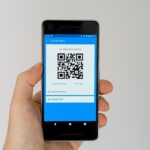
2. QR‑Code Payment Platforms (e.g., PayPal QR, Alipay, WeChat Pay)
Customers scan a merchant‑generated QR code using their phone’s camera, then confirm the amount within their payment app. The process works on any smartphone without additional hardware.
- Plus Points:
- No physical reader required; low upfront cost.
- Works on a wide range of devices, including low‑end phones.
- Facilitates both in‑store and curbside pickups.
- Current Limitations:
- Dependent on customers having a compatible app.
- Potentially slower checkout if QR code generation or scanning is not optimized.
Best for: Businesses with high foot traffic in regions where QR payments dominate, such as Asia. high foot traffic
3. Cloud‑Based Payment Links (e.g., Stripe Checkout, PayPal Invoicing)
Merchants generate a unique URL that can be sent via SMS, email, or displayed on a screen. The customer clicks the link, enters payment details, and completes the transaction on a secure web page.
- Plus Points:
- Zero hardware; can be used for remote or hybrid sales.
- Highly customizable branding and checkout flow.
- Integrates easily with existing e‑commerce platforms.
- Current Limitations:
- Requires internet connectivity for both merchant and customer.
- May introduce extra steps compared to tap‑and‑go.
Best for: Service providers and small businesses that need to collect payments without a physical storefront.
4. Integrated POS Apps (e.g., Lightspeed, Vend)
Full‑featured point‑of‑sale software that runs on tablets or smartphones, incorporating inventory, reporting, and mobile payment acceptance in one package.
- Plus Points:
- All‑in‑one solution streamlines operations beyond payments.
- Supports multiple payment methods, including NFC, QR, and card swipes.
- Provides robust analytics for sales performance.
- Current Limitations:
- Higher subscription cost and longer onboarding.
- May include features that are unnecessary for a quick‑win focus.
Best for: Retailers seeking a comprehensive system that can grow with the business. Retailers seeking
5. Direct Carrier Billing (e.g., Boku, Fortumo)
Customers authorize a purchase that is billed directly to their mobile phone carrier account. This method is popular for digital goods and micro‑transactions.
- Plus Points:
- Eliminates the need for credit cards or bank accounts.
- Ideal for low‑value, frictionless purchases.
- High conversion rates in markets with limited banking penetration.
- Current Limitations:
- Typically limited to digital content; not suited for physical goods.
- Higher per‑transaction fees compared to traditional card processing.
Best for: Apps, games, and digital media providers targeting a global audience.
| Option | Best For | Difficulty | Cost | Speed |
|---|---|---|---|---|
| NFC‑Enabled Card Readers | Brick‑and‑mortar retailers | Easy | Low hardware, per‑txn fee | Very fast |
| QR‑Code Platforms | High‑traffic, QR‑friendly markets | Very easy | Minimal, transaction‑based | Fast |
| Cloud‑Based Payment Links | Remote services & hybrid sales | Easy | Low, per‑txn | Moderate |
| Integrated POS Apps | Growing retailers needing analytics | Medium | Subscription + fees | Fast |
| Direct Carrier Billing | Digital goods, micro‑transactions | Easy | Higher per‑txn fee | Very fast |
How to Choose the Right One
When evaluating quick‑win mobile payment options, the first step is to define the primary business objective. Is the goal to reduce checkout time, expand payment method coverage, or capture sales from customers who lack traditional banking? Clarity of purpose narrows the field dramatically. For instance, a café focused on speeding up line turnover will benefit most from NFC readers, while a freelance consultant who invoices remotely may find payment links more valuable.
Next, assess the customer base. Understanding the devices and payment habits of the target audience prevents missteps. In markets where smartphones dominate but credit card penetration is low, QR codes or carrier billing become compelling. Conversely, in regions with high adoption of Apple Pay and Google Pay, NFC solutions provide the smoothest experience. customer base Understanding
Another decisive factor is the existing technology stack. If the business already uses a cloud‑based e‑commerce platform, integrating a payment link may require only a few API calls, saving time and money. However, if the store operates on a legacy POS system, adding an integrated POS app could be more disruptive than beneficial for a quick win.
Cost considerations go beyond the headline transaction fee. Evaluate hardware expenses, monthly subscription rates, and any hidden onboarding charges. A low‑cost per‑transaction fee may be offset by a steep hardware investment, making a QR‑code solution more attractive for startups with limited capital.
Finally, examine scalability and future needs. While the immediate aim is a rapid implementation, the chosen solution should not become an obstacle as the business expands. For example, starting with a simple QR code system is fine for a pop‑up shop, but a plan to open multiple locations may later require a more robust POS platform.
Real-World Benefits
Implementing the right quick‑win mobile payment method can dramatically improve cash flow. Faster settlement times mean that funds are available for reinvestment sooner, supporting inventory replenishment and marketing initiatives. right quickwin mobile
Customer satisfaction rises when checkout feels effortless. A frictionless payment experience reduces abandonment rates, especially in high‑traffic environments where every second counts.
Operational efficiency improves because staff spend less time handling cash and reconciling manual transactions. This frees employees to focus on service quality and upselling.
Data collection becomes richer. Modern payment solutions automatically capture transaction details, enabling better analytics, personalized promotions, and inventory forecasting.
Security posture strengthens as reputable providers handle PCI compliance, tokenization, and fraud detection, reducing the merchant’s exposure to breaches. Security posture strengthens
Finally, brand perception benefits. Offering contemporary, convenient payment options signals that a business is forward‑thinking and attentive to customer preferences, which can attract a tech‑savvy demographic.
To Sum Up
The optimal quick‑win mobile payment solution aligns with the business’s primary goal, customer habits, and budget constraints. By evaluating transaction speed, integration effort, cost structure, and security, merchants can select a method that delivers immediate results while positioning the operation for future growth. With the right choice, mobile payments become a catalyst for faster cash flow, happier customers, and a stronger competitive edge.