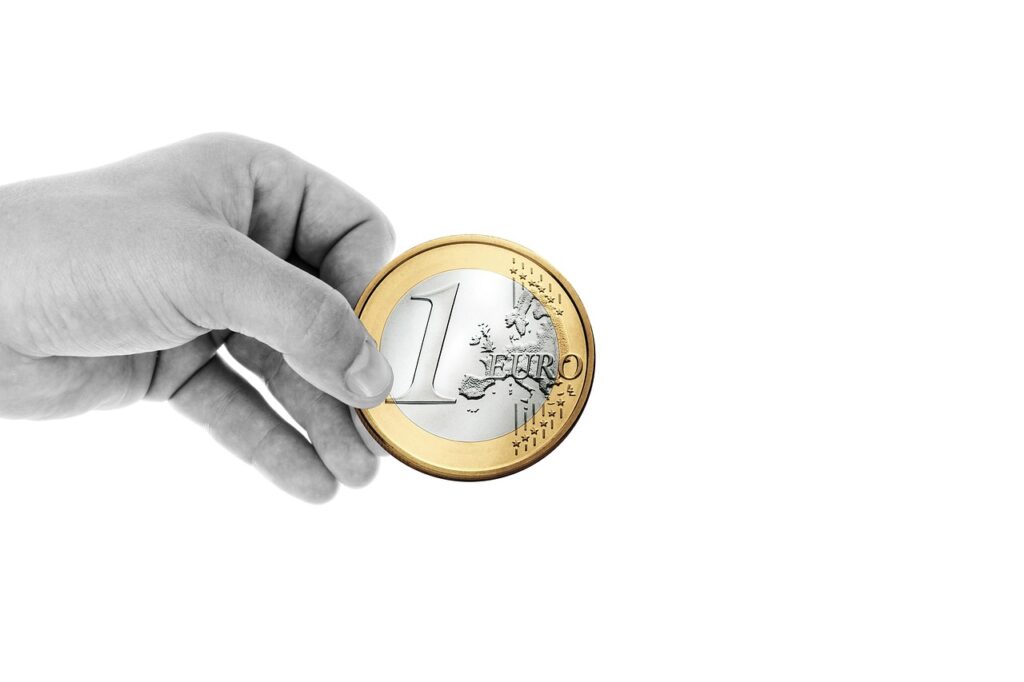

Most people think saving money requires drastic lifestyle changes or a massive windfall, and they end up feeling overwhelmed before they even begin. A beginner who has just heard the phrase “quick wins” often assumes it means gimmicks or shortcuts that won’t last. The reality is that quick wins are small, sustainable actions that add up to big results over time. Here’s the key thing to understand: the power of these tiny habits lies in consistency, not in a single heroic effort. Most people miss this, and they quit too early because they don’t see immediate, dramatic changes. This guide will clear the confusion, show why quick wins matter, and provide a step‑by‑step roadmap that any motivated learner can follow.
📝 Article Overview
The Basics of Saving Money (Quick Wins)
Saving money, in the context of quick wins, means identifying and implementing small, low‑effort changes to daily spending that generate immediate savings without sacrificing essential needs. These actions are designed to be easy to adopt, measurable, and repeatable, allowing the saver to see tangible results within days or weeks.
| Term | Plain-English Meaning |
|---|---|
| Budget Buffer | A small amount of money set aside each month for unexpected expenses, preventing overspending. |
| Automatic Transfer | A pre‑scheduled move of funds from checking to savings, happening without manual effort. |
| Spending Audit | A quick review of recent purchases to spot unnecessary costs. |
| Cash‑Only Challenge | Limiting purchases to cash for a set period to increase awareness of spending. |
| Price‑Match Policy | A retailer’s guarantee to match a lower advertised price, saving the buyer the difference. |
| Micro‑Investment | Investing very small amounts (often under $5) regularly, turning spare change into growth. |
Why Saving Money (Quick Wins) Matters
First, quick wins provide immediate psychological reinforcement. When a learner sees a $20 reduction in a grocery bill after using a coupon, the brain registers a reward, reinforcing the habit. Over a year, that habit can generate $500‑$800 in extra savings, a figure that feels substantial without any major sacrifice. First quick wins
Second, quick wins create a financial safety net that benefits everyone—from students juggling tuition to families managing mortgage payments. For example, a household that trims its utility bill by 10% using a programmable thermostat saves roughly $120 annually on a $1,200 yearly bill. That extra cash can be redirected to an emergency fund, reducing reliance on high‑interest credit cards.
Finally, the cumulative effect of multiple quick wins compounds over time, similar to interest on a savings account. If a saver implements five separate quick wins that each save $30 per month, the total monthly savings become $150. Over five years, assuming a modest 2% annual interest, the account would grow to over $9,500, illustrating the real‑world impact of disciplined, small actions.
Latest Saving Money (Quick Wins) Technologies
1. Automated Round‑Up Apps
These apps link to a checking account and round every purchase up to the nearest dollar, transferring the spare change to a savings account.
Set up by downloading the app, connecting the bank, and enabling the round‑up feature; the app handles the rest automatically.
Common beginner mistake: Forgetting to monitor the app’s fees, which can erode the small savings. Common beginner mistake
- Advantages:
- Effortless micro‑saving without manual tracking.
- Builds a habit of saving by using money that would otherwise be forgotten.
2. Subscription Management Dashboards
These platforms aggregate all recurring subscriptions—streaming, software, gym memberships—into one view.
After linking credit cards or bank accounts, the dashboard flags unused or duplicated services, allowing the user to cancel with a single click.
Common beginner mistake: Ignoring the notification settings, leading to missed alerts about price hikes.
- Advantages:
- Identifies hidden monthly drains quickly.
- Saves potentially hundreds of dollars per year by eliminating unused services.
3. Smart Thermostat Integration
Smart thermostats learn household patterns and adjust heating/cooling to optimize energy use.
Installation involves replacing the existing thermostat, connecting to Wi‑Fi, and allowing the device to calibrate over a week; the accompanying app then offers tips for further savings. Installation involves replacing
Common beginner mistake: Setting the temperature too low in winter, compromising comfort.
- Advantages:
- Reduces utility bills by up to 15%.
- Provides real‑time energy usage data for better decision‑making.
4. Digital Coupon Aggregators
These websites or extensions automatically apply the best available coupons at checkout for online purchases.
Install the browser extension, shop as usual, and the tool scans for applicable codes, applying the highest discount automatically.
Common beginner mistake: Relying on the extension for in‑store coupons, which it cannot provide.
- Advantages:
- Saves time searching for codes manually.
- Often yields an extra 5‑15% off each transaction.
5. Cash‑Back Reward Platforms
Cash‑back platforms partner with retailers to return a percentage of the purchase price to the user. Cashback platforms partner
Join the platform, shop through its portal or use its card, and the cash‑back accrues in a balance that can be withdrawn or applied toward future purchases.
Common beginner mistake: Over‑spending to meet cash‑back thresholds.
- Advantages:
- Provides direct monetary return on everyday spending.
- Often includes bonus categories that rotate quarterly for extra savings.
6. Price‑Tracking Alerts
Price‑tracking tools monitor product listings and send alerts when prices drop below a set threshold.
After selecting an item and setting a target price, the service notifies via email or push notification when the price matches or falls beneath the goal.
Common beginner mistake: Setting unrealistic low price targets, leading to disappointment. Common beginner mistake
- Advantages:
- Prevents overpaying for big‑ticket items.
- Enables strategic purchasing timing for maximum discount.
7. Micro‑Investment Savings Bots
These bots automatically invest spare change from round‑up apps into diversified portfolios.
Link the bot to a brokerage account, choose a risk profile, and let the bot allocate funds each month according to the selected strategy.
Common beginner mistake: Selecting an overly aggressive risk level for short‑term savings goals.
- Advantages:
- Turns idle savings into potential growth.
- Provides exposure to market returns without large capital.
Quick‑Win Steps at a Glance
| Step | What You Do | Expected Result |
|---|---|---|
| 1 | Install an automated round‑up app and enable the feature. | Accumulate spare change into a dedicated savings account. |
| 2 | Connect all credit cards to a subscription dashboard. | Identify and cancel unused recurring services. |
| 3 | Replace existing thermostat with a smart model and calibrate. | Lower heating/cooling costs by up to 15%. |
| 4 | Add a digital coupon extension to the web browser. | Apply the best available coupons automatically at checkout. |
| 5 | Enroll in a cash‑back reward platform and shop through it. | Earn 1‑5% cash back on routine purchases. |
| 6 | Set price‑tracking alerts for desired items. | Purchase items only when they hit target prices. |
| 7 | Link a micro‑investment bot to the round‑up savings. | Potentially grow saved funds while they sit idle. |
Frequently Asked Questions
What is the difference between a budget and a saving‑quick‑win strategy?
A budget outlines overall income and expenses, while quick‑win strategies focus on tiny, actionable changes that generate immediate savings without overhauling the entire budget.
How much can I realistically save using round‑up apps?
Most users see $5‑$15 per month, depending on spending volume; over a year this can amount to $60‑$180, plus any interest earned. spending volume over
Are cash‑back platforms safe for my personal information?
Reputable platforms use encryption and comply with financial regulations, making them as secure as traditional banking services.
Will a smart thermostat increase my home’s energy consumption?
No, when properly programmed it optimizes heating and cooling cycles, often reducing overall consumption compared to manual thermostats.
Can I combine multiple quick‑win tools without them overlapping?
Yes, each tool targets a different expense category, and using them together multiplies the overall savings effect.
To Sum Up
Quick‑win saving methods empower anyone to start building a financial cushion with minimal effort. By adopting even a few of the steps outlined, readers will see tangible savings within weeks and set the foundation for larger financial goals. The path to greater financial freedom begins with these simple, repeatable actions.