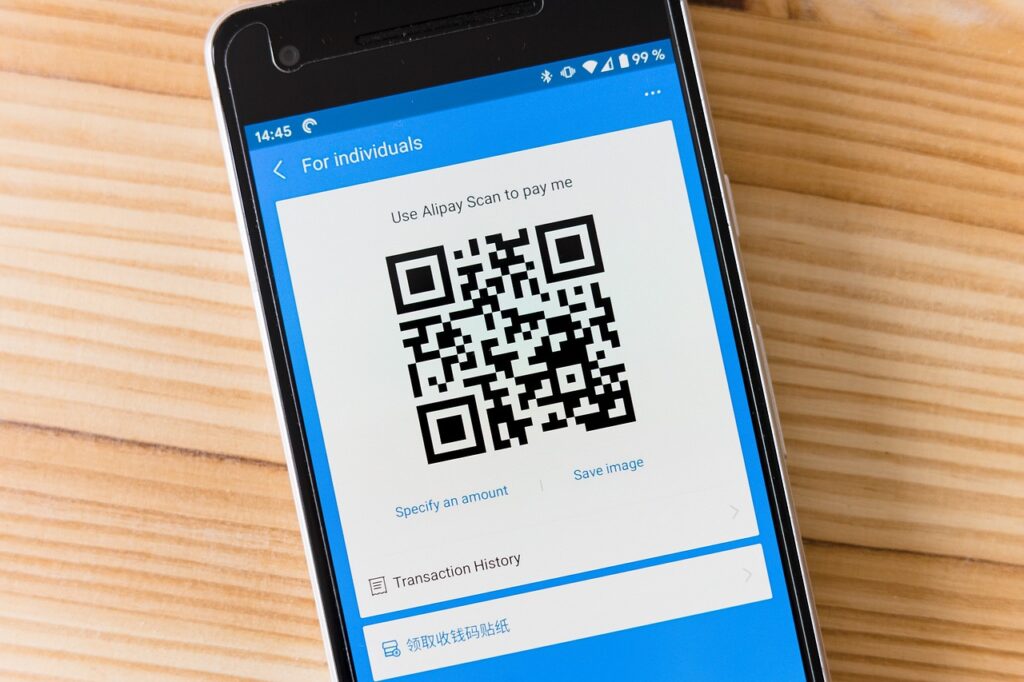

Imagine being on vacation, only to find out that your bank account has been drained due to a security breach on your mobile banking app. This scenario is a harsh reality for many who have fallen victim to common mobile banking mistakes. In 2020, the Federal Trade Commission reported over 200,000 cases of mobile banking fraud in the United States alone, resulting in millions of dollars in losses. The ease and convenience of mobile banking have led to its widespread adoption, but with this comes the risk of security breaches and financial losses if not used properly.
&#; Table of Contents
Common Challenges With Defining Mobile Banking (Common Mistakes)
Insufficient Password Protection
Using weak or easily guessable passwords for mobile banking apps is a common mistake that can lead to unauthorized access to accounts. This happens because many users underestimate the importance of strong, unique passwords for their mobile banking, thinking that the app’s security features are enough. However, a strong password is the first line of defense against hackers. Without it, even the most secure app can be vulnerable.
Public Wi-Fi Usage
Accessing mobile banking on public Wi-Fi networks is another mistake that can expose users to significant risks. Public Wi-Fi networks are often not secure, making it easy for hackers to intercept data, including login credentials and financial information. This mistake occurs because many are unaware of the dangers of using public Wi-Fi for sensitive transactions or believe that the convenience outweighs the risk.
Outdated App Versions
Failing to update mobile banking apps to the latest version is a mistake that can leave users vulnerable to known security exploits. This happens because some users may not see the importance of keeping their apps up to date, especially if the current version seems to be working fine. However, outdated apps can have security vulnerabilities that have been patched in newer versions, making them an easy target for hackers. update mobile banking
Phishing and Smishing Attacks
Falling victim to phishing or smishing (SMS phishing) attacks is a common mistake that can lead to the disclosure of sensitive banking information. These attacks happen when users click on malicious links or respond to fake messages that appear to be from their bank. This mistake occurs because many users are not adept at identifying phishing attempts, and the sophistication of these attacks can make them look very legitimate. sensitive banking information
Not Monitoring Accounts
Not regularly monitoring mobile banking accounts for suspicious activity is a mistake that can lead to significant financial losses before the issue is detected. This happens because some users may not check their accounts frequently, assuming that their bank will notify them of any issues. However, by the time the bank detects and notifies the user, it may be too late to prevent the loss.
Leading Mobile Banking Solutions
1. Implementing Two-Factor Authentication (2FA)
Implementing 2FA adds an extra layer of security to the login process, making it much harder for hackers to gain unauthorized access. To implement 2FA, users can enable this feature in their mobile banking app settings, choosing from options like SMS codes, biometric data, or authenticator apps. This solution is effective because it requires a second form of verification, usually something the user has or a biometric feature, in addition to the password.
- Advantages:
- Enhanced security against password guessing and phishing attacks
- Compliance with increasing regulatory requirements for financial institutions
- Flexibility in choosing the second factor, allowing users to select the most convenient method for them
2. Using a Virtual Private Network (VPN)
Using a VPN when accessing mobile banking on public Wi-Fi networks can encrypt the internet connection, protecting data from being intercepted. To use a VPN, users can download and install a VPN app on their mobile device, then connect to a VPN server before accessing their mobile banking app. This solution works by creating a secure, encrypted tunnel between the device and the VPN server, shielding the data from potential hackers on the public network.
- Advantages:
- Secure data transmission over public networks
- Protection against man-in-the-middle attacks
- Anonymity and privacy while browsing
Protection against maninthemiddle
3. Regularly Updating the Mobile Banking App
Regularly updating the mobile banking app to the latest version ensures that users have the latest security patches and features. To do this, users can enable automatic updates in their device’s app store settings or manually check for updates for their banking app. This solution is crucial because it fixes known vulnerabilities that hackers might exploit, thereby protecting the user’s financial information. latest version ensures
- Advantages:
- Improved security with the latest patches
- New features and improvements for better user experience
- Compliance with bank requirements for secure access
4. Educating Against Phishing and Smishing
Educating oneself on how to identify and avoid phishing and smishing attacks is vital for securing mobile banking information. Users can learn to identify these attacks by being cautious of messages or emails that request sensitive information, contain spelling and grammar mistakes, or create a sense of urgency. This solution works by empowering users with the knowledge to distinguish between legitimate communications from their bank and fraudulent attempts to steal their information.
- Advantages:
- Reduced risk of falling victim to phishing and smishing attacks
- Improved overall cybersecurity awareness
- Protection of personal and financial data
Improved overall cybersecurity
5. Regular Account Monitoring
Regularly monitoring mobile banking accounts for any suspicious activity can help detect and prevent financial losses early. Users can set up transaction alerts in their mobile banking app or regularly log in to check their account activity. This solution is effective because it allows users to identify unusual transactions quickly and report them to their bank before more damage is done.
- Advantages:
- Early detection of fraudulent transactions
- Reduced financial losses due to quick action
- Improved control over financial accounts
6. Using Anti-Virus Software
Installing and regularly updating anti-virus software on mobile devices can protect against malware that could compromise mobile banking security. Users can choose from various anti-virus apps available for mobile devices, ensuring they select one that scans for both viruses and other types of malware. This solution works by detecting and removing malware that could steal banking information or allow unauthorized access to the device.
- Advantages:
- Protection against a wide range of malware threats
- Regular updates to stay ahead of new malware variants
- Peace of mind with real-time scanning and alerts
| Approach | Old Way | Better Way | Result |
|---|---|---|---|
| Password Protection | Using weak or guessable passwords | Implementing strong, unique passwords and 2FA | Significantly reduced risk of unauthorized access |
| Public Wi-Fi | Accessing mobile banking on public Wi-Fi without protection | Using a VPN for secure, encrypted connections | Protection against data interception and man-in-the-middle attacks |
| App Updates | Not updating the mobile banking app regularly | Enabling automatic updates for the latest security patches | Improved security and protection against known vulnerabilities |
| Phishing and Smishing | Responding to suspicious messages or emails | Educating oneself to identify and ignore phishing attempts | Reduced risk of falling victim to phishing and smishing attacks |
| Account Monitoring | Infrequently checking account activity | Regularly monitoring accounts for suspicious transactions | Early detection and prevention of financial losses |
The Impact on Consumers
The implementation of robust security measures in mobile banking has significantly impacted consumers, providing them with a safer and more secure way to manage their finances on the go. For instance, a study by J.D. Power found that customer satisfaction with mobile banking has increased as banks have enhanced their app security features.
In the case of Bank of America, the introduction of a biometric login feature has seen a positive response from customers, who appreciate the added layer of security and convenience it offers. This shift towards more secure mobile banking practices has not only protected consumers from financial losses but has also built trust in the banking system. biometric login feature
A notable example is the reduction in phishing attacks reported by consumers after banks began implementing advanced security measures, such as two-factor authentication and transaction alerts. This decrease is a testament to the effectiveness of these solutions in safeguarding consumer financial information. phishing attacks reported
Moreover, the education and awareness campaigns run by banks have empowered consumers with the knowledge to identify and prevent potential security threats, further reducing the risk of mobile banking fraud. As a result, consumers are now more confident in using mobile banking services, leading to increased adoption rates. banks have empowered
For example, a survey conducted by the American Bankers Association found that the percentage of consumers using mobile banking has risen steadily over the past few years, with a significant portion attributing their decision to the perceived security of the service. This uptrend indicates that as security improves, so does consumer trust and usage. American Bankers Association
Step-by-Step Action Plan
- Enable two-factor authentication in your mobile banking app to add an extra layer of security because this will protect your account from unauthorized access even if your password is compromised.
- Install a reputable VPN on your mobile device to secure your data when using public Wi-Fi because public networks are often targeted by hackers looking to intercept sensitive information.
- Regularly update your mobile banking app to ensure you have the latest security patches and features because outdated apps can leave you vulnerable to known security exploits.
- Educate yourself on the signs of phishing and smishing attacks to avoid falling victim because these attacks are designed to trick you into divulging your banking information.
- Set up transaction alerts in your mobile banking app to monitor your account activity regularly because early detection of suspicious transactions can prevent significant financial losses.
- Use strong, unique passwords for your mobile banking app and consider using a password manager because weak passwords are one of the most common entry points for hackers.
- Install and regularly update anti-virus software on your mobile device to protect against malware because malware can compromise your device and steal your banking information.
Wrapping Up
The world of mobile banking, while incredibly convenient, comes with its set of challenges and potential pitfalls, particularly when it comes to security. However, by understanding the common mistakes and implementing the right solutions, consumers can significantly enhance their mobile banking experience, making it both secure and seamless. As technology continues to evolve, it’s essential for both banks and consumers to stay vigilant and adapt to new security threats, ensuring that mobile banking remains a safe and trusted way to manage finances on the go. Looking forward, the future of mobile banking security appears promising, with advancements in biometric authentication, AI-powered fraud detection, and enhanced encryption technologies set to play a pivotal role in protecting consumer financial information.