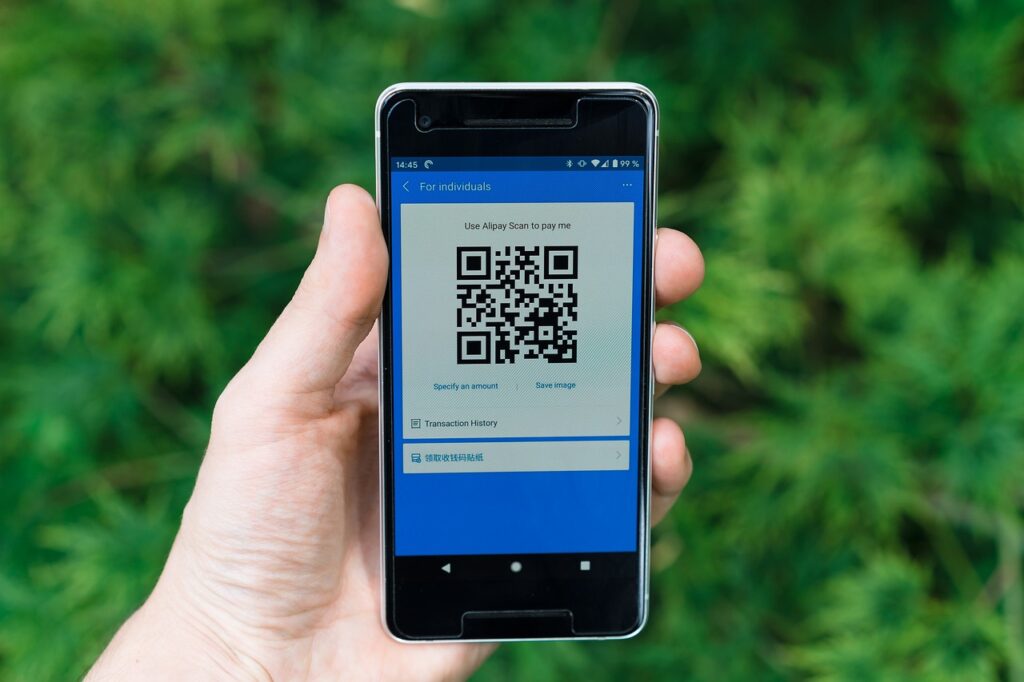

Imagine being able to pay for anything, anywhere, without needing cash or cards. This is the world of payment apps, where transactions are made easy and convenient. For beginners, the concept of payment apps can be overwhelming, with so many options available. However, with the right knowledge, anyone can start using payment apps like a pro. Let’s take the example of Sarah, who recently discovered the convenience of using payment apps for her daily transactions. She can now pay for her coffee, groceries, and even bills with just a few taps on her phone. But, as she delves deeper into the world of payment apps, she realizes there’s more to it than just convenience.
&#; Contents
Breaking Down Payment Apps
A payment app is essentially a digital platform that enables users to make transactions using their mobile devices. It’s a simple, secure, and convenient way to pay for goods and services, without the need for cash or cards. Payment apps use various technologies, such as near-field communication (NFC) and tokenization, to facilitate secure transactions. For instance, Apple Pay uses NFC to enable contactless payments, while PayPal uses tokenization to protect user data.
| Term | Plain-English Meaning |
|---|---|
| NFC | Near-field communication, a technology that enables devices to communicate with each other when in close proximity. |
| Tokenization | A process that replaces sensitive user data with unique tokens, enhancing security and protecting user information. |
| Contactless Payment | A payment method that allows users to make transactions without physically swiping or inserting their cards. |
| Digital Wallet | A virtual container that stores user payment information, such as credit card numbers and expiration dates. |
| Transaction Fee | A small fee charged by payment apps for each transaction, usually a percentage of the transaction amount. |
| Two-Factor Authentication | A security process that requires users to provide two forms of verification, such as a password and fingerprint, to access their accounts. |
Why Payment Apps Matter
Payment apps are not just a novelty; they have a significant impact on the way we make transactions. For instance, in 2020, mobile payments reached $1.1 trillion in transaction value, with an expected growth rate of 25% per year. This growth is driven by the increasing adoption of smartphones and the convenience of payment apps. In China, for example, payment apps like WeChat Pay and Alipay have become an essential part of daily life, with over 80% of the population using them for transactions.
Payment apps also benefit businesses, especially small merchants. According to a study by Forbes, 70% of small businesses that accept mobile payments see an increase in sales. This is because payment apps provide a secure and convenient way for customers to make transactions, reducing the risk of cart abandonment and increasing customer satisfaction. For example, a small coffee shop in New York City saw a 20% increase in sales after implementing a payment app, as customers could quickly and easily pay for their coffee without needing to wait in line.
In addition to convenience and increased sales, payment apps also provide a range of other benefits. For instance, many payment apps offer rewards and cashback programs, which can help users save money on their transactions. Some payment apps also provide detailed transaction records and budgeting tools, helping users to track their spending and stay on top of their finances. In the case of Sarah, she can now easily track her daily expenses and stay within her budget, thanks to the detailed records provided by her payment app.
Core Payment App Approaches
1. Choosing the Right Payment App
With so many payment apps available, it can be difficult to choose the right one. When selecting a payment app, users should consider factors such as security, convenience, and fees. For example, some payment apps may charge higher transaction fees than others, while some may offer more advanced security features. Users should also consider the types of transactions they want to make, as some payment apps may be better suited for certain types of transactions. For instance, PayPal is a popular choice for online transactions, while Apple Pay is better suited for in-store purchases.
To use a payment app effectively, users should start by researching different options and reading reviews from other users. They should also consider the types of transactions they want to make and the fees associated with each payment app. Once they have chosen a payment app, users can download and install it on their device, and then link their payment information to the app. Some payment apps may also require users to set up a PIN or password to access their accounts.
A common beginner mistake is to choose a payment app based solely on its popularity, without considering the fees and security features. For example, some payment apps may have lower transaction fees but weaker security features, which could put user data at risk.
- What You Gain:
- Convenience: Payment apps make it easy to make transactions on the go, without needing cash or cards.
- Security: Payment apps provide advanced security features, such as tokenization and two-factor authentication, to protect user data.
- Rewards: Many payment apps offer rewards and cashback programs, which can help users save money on their transactions.
2. Setting Up a Digital Wallet
A digital wallet is a virtual container that stores user payment information, such as credit card numbers and expiration dates. To set up a digital wallet, users typically need to download and install a payment app, and then link their payment information to the app. Some payment apps may also require users to set up a PIN or password to access their accounts.
Using a digital wallet is easy and convenient. Once users have set up their digital wallet, they can use it to make transactions at participating merchants. For example, users can add their credit card information to their digital wallet and then use their phone to make contactless payments at stores that accept mobile payments.
A common beginner mistake is to forget to update their digital wallet with new payment information, such as a new credit card number or expiration date. This can cause transactions to be declined, which can be frustrating for users. common beginner mistake
- What You Gain:
- Convenience: Digital wallets make it easy to make transactions without needing to carry cash or cards.
- Security: Digital wallets provide advanced security features, such as tokenization and two-factor authentication, to protect user data.
- Organization: Digital wallets can help users keep track of their payment information and stay organized.
3. Making Contactless Payments
Contactless payments are a convenient way to make transactions without needing to physically swipe or insert a card. To make a contactless payment, users typically need to have a payment app installed on their device, and then hold their device near a contactless payment terminal.
Using contactless payments is easy and convenient. Once users have set up their payment app, they can use it to make contactless payments at participating merchants. For example, users can add their credit card information to their payment app and then use their phone to make contactless payments at stores that accept mobile payments.
A common beginner mistake is to forget to enable contactless payments on their device, which can cause transactions to be declined. Users should ensure that their device is compatible with contactless payments and that they have enabled the feature in their payment app.
- What You Gain:
- Convenience: Contactless payments make it easy to make transactions without needing to carry cash or cards.
- Speed: Contactless payments are typically faster than traditional payment methods, such as swiping a card.
- Security: Contactless payments provide advanced security features, such as tokenization and two-factor authentication, to protect user data.
4. Tracking Transactions and Budgeting
Payment apps provide detailed transaction records and budgeting tools, helping users to track their spending and stay on top of their finances. To track transactions and budget, users can log in to their payment app and view their transaction history, which typically includes the date, amount, and merchant information for each transaction. Payment apps provide
Using transaction records and budgeting tools is easy and convenient. Once users have set up their payment app, they can use it to track their spending and stay within their budget. For example, users can set up budgeting categories and track their spending in each category, helping them to identify areas where they can cut back and save money. Using transaction records
A common beginner mistake is to forget to regularly review their transaction records and budget, which can cause users to overspend and exceed their budget. Users should regularly log in to their payment app and review their transaction records and budget to stay on track.
- What You Gain:
- Organization: Payment apps provide detailed transaction records and budgeting tools, helping users to track their spending and stay organized.
- Financial insights: Payment apps provide users with valuable insights into their spending habits, helping them to identify areas where they can cut back and save money.
- Control: Payment apps give users control over their finances, helping them to stay within their budget and avoid overspending.
5. Using Rewards and Cashback Programs
Many payment apps offer rewards and cashback programs, which can help users save money on their transactions. To use rewards and cashback programs, users typically need to sign up for a rewards program and then use their payment app to make transactions at participating merchants.
Using rewards and cashback programs is easy and convenient. Once users have signed up for a rewards program, they can use their payment app to earn rewards and cashback on their transactions. For example, users can earn points or cashback on their purchases, which can be redeemed for rewards such as gift cards or statement credits. convenient Once users
A common beginner mistake is to forget to sign up for rewards programs, which can cause users to miss out on valuable rewards and cashback. Users should ensure that they sign up for rewards programs and regularly review their rewards balance to maximize their earnings.
- What You Gain:
- Rewards: Payment apps offer rewards and cashback programs, which can help users save money on their transactions.
- Savings: Rewards and cashback programs can help users save money on their purchases, which can be redeemed for rewards such as gift cards or statement credits.
- Perks: Some payment apps offer exclusive perks and benefits, such as free shipping or exclusive discounts, to users who participate in rewards programs.
6. Enhancing Security with Two-Factor Authentication
<p_Two-factor authentication is a security process that requires users to provide two forms of verification, such as a password and fingerprint, to access their accounts. To enhance security with two-factor authentication, users typically need to enable two-factor authentication in their payment app and then set up a second form of verification, such as a fingerprint or face recognition.
Using two-factor authentication is easy and convenient. Once users have enabled two-factor authentication, they can use it to add an extra layer of security to their accounts. For example, users can require a fingerprint or face recognition to access their accounts, which can help to prevent unauthorized access.
A common beginner mistake is to forget to enable two-factor authentication, which can put user data at risk. Users should ensure that they enable two-factor authentication and regularly review their account settings to ensure that their accounts are secure. common beginner mistake
- What You Gain:
- Security: Two-factor authentication provides an extra layer of security, helping to prevent unauthorized access to user accounts.
- Protection: Two-factor authentication helps to protect user data, such as payment information and personal details, from unauthorized access.
- Peace of mind: Two-factor authentication gives users peace of mind, knowing that their accounts are secure and protected.
Security Twofactor authentication
7. Staying Up-to-Date with Payment App Updates
Payment apps are constantly evolving, with new features and updates being released regularly. To stay up-to-date with payment app updates, users typically need to regularly check for updates and install the latest version of their payment app.
Using payment app updates is easy and convenient. Once users have installed the latest version of their payment app, they can use it to access new features and updates. For example, users can access new payment methods, such as contactless payments, or use new features, such as rewards and cashback programs.
A common beginner mistake is to forget to regularly check for updates, which can cause users to miss out on new features and updates. Users should ensure that they regularly check for updates and install the latest version of their payment app to stay up-to-date.
- What You Gain:
- New features: Payment app updates often include new features, such as contactless payments or rewards programs, which can enhance the user experience.
- Improvements: Payment app updates often include improvements, such as bug fixes or performance enhancements, which can improve the overall user experience.
- Security: Payment app updates often include security patches, which can help to protect user data from unauthorized access.
| Step | What You Do | Expected Result |
|---|---|---|
| 1 | Choose a payment app | Convenience and security for transactions |
| 2 | Set up a digital wallet | Easy and convenient transactions |
| 3 | Make contactless payments | Fast and convenient transactions |
| 4 | Track transactions and budget | Financial insights and control |
| 5 | Use rewards and cashback programs | Savings and rewards on transactions |
| 6 | Enhance security with two-factor authentication | Extra layer of security for accounts |
| 7 | Stay up-to-date with payment app updates | Access to new features and updates |
Frequently Asked Questions
What is a payment app?
A payment app is a digital platform that enables users to make transactions using their mobile devices. It’s a simple, secure, and convenient way to pay for goods and services, without the need for cash or cards. make transactions using
How do I choose the right payment app?
When choosing a payment app, consider factors such as security, convenience, and fees. Research different options and read reviews from other users to find the best payment app for your needs.
Is it safe to use payment apps?
Payment apps are designed to be secure, with advanced security features such as tokenization and two-factor authentication. However, users should still take precautions to protect their accounts, such as using strong passwords and keeping their devices up-to-date.
Can I use payment apps for online transactions?
Yes, many payment apps can be used for online transactions. Users can add their payment information to their digital wallet and then use their payment app to make online purchases.
Do payment apps charge fees?
Some payment apps may charge fees, such as transaction fees or monthly subscription fees. Users should review the fees associated with their payment app and consider the costs before using it.
What It All Means
Payment apps are revolutionizing the way we make transactions, offering convenience, security, and rewards. By understanding how payment apps work and using them effectively, users can take control of their finances and make the most of their transactions. With the right knowledge and tools, anyone can master payment apps and enjoy the benefits they have to offer. By following the steps outlined in this guide, users can start using payment apps like a pro and enjoy the convenience and security they provide.
Payment apps are constantly evolving, with new features and updates being released regularly. By staying up-to-date with the latest developments and using payment apps effectively, users can stay ahead of the curve and make the most of their transactions. Whether you’re a beginner or an experienced user, payment apps have something to offer, from convenience and security to rewards and cashback.
To wrap up, payment apps are a powerful tool for making transactions, offering a range of benefits and features that can enhance the user experience. By understanding how payment apps work and using them effectively, users can take control of their finances and make the most of their transactions. With the right knowledge and tools, anyone can master payment apps and enjoy the benefits they have to offer.