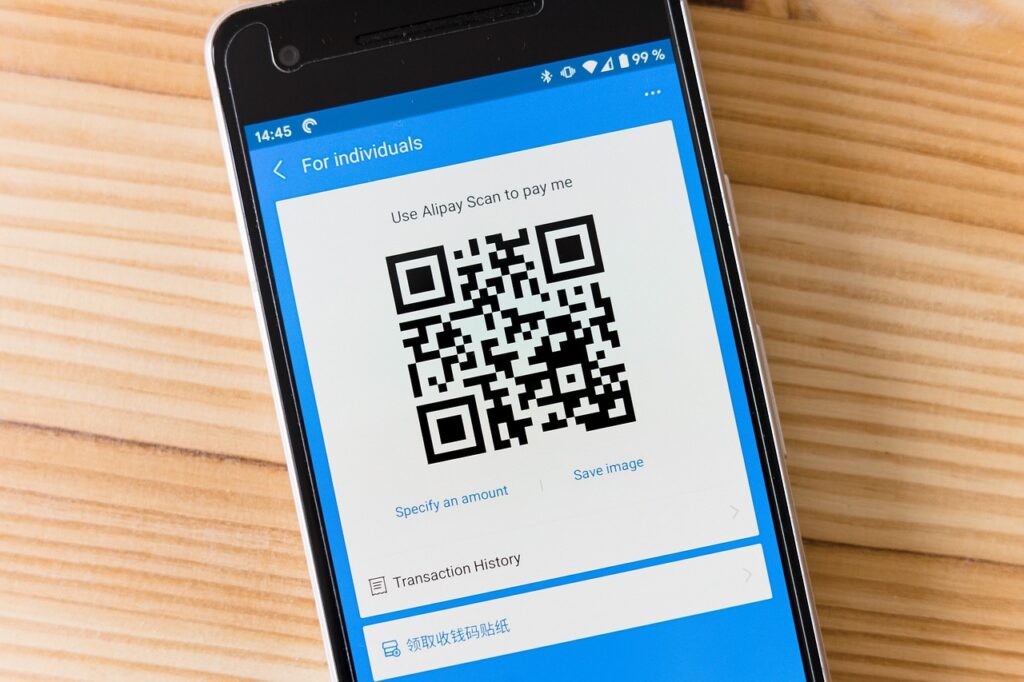

Mobile banking has become an essential tool for managing finances, with millions of people around the world using their smartphones to check their accounts, transfer money, and pay bills. However, despite its widespread adoption, many beginners are still unsure about how to get the most out of mobile banking. They may be put off by concerns about security, or unsure about which features to use. As a result, they may be missing out on the many benefits that mobile banking has to offer. Everyone says that mobile banking is the future of finance, but is it really living up to the hype? The truth is that mobile banking is a powerful tool, but it requires a bit of know-how to use it effectively. By understanding the basics of mobile banking and staying up-to-date with the latest technologies and trends, beginners can take control of their finances and make the most of their mobile banking experience.
Mobile banking is not just a convenient way to check your account balance; it’s a fully-fledged financial management system that allows you to manage your money on the go. With mobile banking, you can transfer money, pay bills, and even invest in stocks and shares, all from the comfort of your own home. But with so many features and functions available, it can be difficult to know where to start. That’s why it’s essential to have a solid understanding of the basics of mobile banking, including how to set up your account, how to use the different features, and how to stay safe online.
So, what is mobile banking, and how does it work? At its simplest, mobile banking is a way of managing your finances using your smartphone or tablet. You can use a mobile banking app to check your account balance, transfer money, and pay bills, all from the comfort of your own home. But mobile banking is more than just a convenient way to manage your finances; it’s also a powerful tool for staying on top of your money. With mobile banking, you can set up alerts and notifications to remind you when bills are due, or when your account balance is running low.
Despite its many benefits, mobile banking is not without its risks. One of the biggest concerns for beginners is security, with many people worrying about the safety of their personal and financial information. However, most mobile banking apps are highly secure, with advanced encryption and security measures in place to protect your data. By following a few simple tips and best practices, you can minimize the risks and stay safe online.
📝 Contents
The Basics of Mobile Banking
So, what do you need to get started with mobile banking? First and foremost, you’ll need a smartphone or tablet, as well as a bank account with a mobile banking app. You’ll also need to make sure that your device is compatible with the app, and that you have a stable internet connection. Once you’ve downloaded and installed the app, you’ll need to set up your account and create a username and password.
One of the key things to understand about mobile banking is how it compares to other types of banking. For example, mobile banking is often more convenient than online banking, as you can use it on the go. However, it may not offer all the same features and functions as online banking, such as the ability to manage your investments or apply for loans. The following table compares the different types of banking:
| Type of Banking | Features | Convenience | Security |
|---|---|---|---|
| Mobile Banking | Check account balance, transfer money, pay bills | High | High |
| Online Banking | Check account balance, transfer money, pay bills, manage investments | Medium | High |
| Branch Banking | Check account balance, transfer money, pay bills, apply for loans | Low | High |
| ATM Banking | Check account balance, withdraw cash | Medium | Medium |
As you can see, mobile banking offers a unique combination of features, convenience, and security, making it a popular choice for many people. However, it’s essential to understand the basics of mobile banking and how it compares to other types of banking, in order to get the most out of your mobile banking experience. mobile banking offers
Latest Mobile Banking Technologies
1. Biometric Security
One of the latest technologies to be introduced in mobile banking is biometric security. This uses advanced biometric sensors, such as fingerprint or facial recognition, to verify your identity and keep your account secure. Biometric security is highly effective, as it’s much harder to fake a biometric signature than a password or PIN.
Biometric security is also highly convenient, as you don’t need to remember a password or PIN to access your account. You can simply use your fingerprint or face to log in, making it quicker and easier to manage your finances on the go.
- Highly effective security: Biometric security is much harder to hack than traditional passwords or PINs.
- Convenience: You don’t need to remember a password or PIN to access your account.
- Speed: Biometric security allows you to log in quickly and easily, making it perfect for managing your finances on the go.
What You Gain:
2. Artificial Intelligence
Artificial intelligence (AI) is another technology that’s being used in mobile banking to improve the user experience. AI-powered chatbots can help you manage your finances, answer questions, and even provide personalized advice and recommendations.
AI is also being used to detect and prevent fraud, by analyzing patterns of behavior and identifying suspicious activity. This helps to keep your account secure and prevent unauthorized transactions.
- Personalized advice: AI-powered chatbots can provide personalized advice and recommendations to help you manage your finances.
- Fraud prevention: AI can detect and prevent fraud by analyzing patterns of behavior and identifying suspicious activity.
- Improved user experience: AI-powered chatbots can help you manage your finances and answer questions, making it easier to use your mobile banking app.
What You Gain:
3. Mobile Wallets
Mobile wallets are another technology that’s being used in mobile banking to improve the user experience. A mobile wallet is a digital version of your physical wallet, which allows you to store your credit and debit card information, as well as other loyalty and rewards cards.
Mobile wallets are highly convenient, as you can use them to make payments and transactions on the go. They’re also highly secure, as they use advanced encryption and security measures to protect your data.
- Convenience: Mobile wallets allow you to make payments and transactions on the go, without the need for physical cards.
- Security: Mobile wallets use advanced encryption and security measures to protect your data.
- Rewards and loyalty: Mobile wallets can store your loyalty and rewards cards, making it easier to earn and redeem points and rewards.
What You Gain: see the full details
4. Peer-to-Peer Payments
Peer-to-peer payments are another technology that’s being used in mobile banking to improve the user experience. Peer-to-peer payments allow you to send and receive money directly from your mobile banking app, without the need for cash or checks.
Peer-to-peer payments are highly convenient, as you can use them to split bills, send money to friends and family, or even pay for goods and services.
- Convenience: Peer-to-peer payments allow you to send and receive money directly from your mobile banking app.
- Speed: Peer-to-peer payments are highly fast, as they allow you to send and receive money in real-time.
- Cost-effective: Peer-to-peer payments can be highly cost-effective, as they eliminate the need for cash and checks.
What You Gain:
5. Budgeting and Financial Planning Tools
Budgeting and financial planning tools are another technology that’s being used in mobile banking to improve the user experience. These tools allow you to track your spending, create a budget, and set financial goals, all from within your mobile banking app.
Budgeting and financial planning tools are highly effective, as they help you manage your finances and make informed decisions about your money. They’re also highly convenient, as you can use them on the go, without the need for separate budgeting or financial planning software.
- Financial insight: Budgeting and financial planning tools provide you with a clear picture of your finances, helping you make informed decisions about your money.
- Convenience: Budgeting and financial planning tools are highly convenient, as you can use them on the go, without the need for separate software.
- Goal-setting: Budgeting and financial planning tools allow you to set financial goals and track your progress, helping you stay motivated and focused.
What You Gain:
Real-World Benefits
✔ Convenience see what this offers
Mobile banking is highly convenient, as it allows you to manage your finances on the go, without the need for physical branches or ATMs. You can use your mobile banking app to check your account balance, transfer money, and pay bills, all from the comfort of your own home.
✔ Security
Mobile banking is highly secure, as it uses advanced encryption and security measures to protect your data. You can also use biometric security, such as fingerprint or facial recognition, to verify your identity and keep your account secure.
✔ Cost-Effectiveness
Mobile banking is highly cost-effective, as it eliminates the need for physical branches and ATMs. You can also use mobile banking to avoid overdraft fees and other charges, by keeping track of your account balance and transactions.
✔ Financial Insight
Mobile banking provides you with a clear picture of your finances, helping you make informed decisions about your money. You can use budgeting and financial planning tools to track your spending, create a budget, and set financial goals.
✔ Speed
Mobile banking is highly fast, as it allows you to send and receive money in real-time. You can use peer-to-peer payments to split bills, send money to friends and family, or even pay for goods and services.
✔ Accessibility
Mobile banking is highly accessible, as it allows you to manage your finances from anywhere, at any time. You can use your mobile banking app to check your account balance, transfer money, and pay bills, all from the comfort of your own home.
How This Will Evolve
- Predicted increase in mobile banking adoption
- Greater use of artificial intelligence and machine learning
- Increased focus on security and fraud prevention
- Greater use of mobile wallets and peer-to-peer payments
- Increased investment in mobile banking infrastructure
As more and more people become comfortable with using their smartphones to manage their finances, mobile banking adoption is expected to increase. This will lead to a greater demand for mobile banking apps and services, and a greater need for banks and financial institutions to invest in mobile banking technology.
The increase in mobile banking adoption will also lead to a greater need for security and fraud prevention measures, as more people will be using their mobile devices to access their financial information.
Artificial intelligence and machine learning are expected to play a greater role in mobile banking, as banks and financial institutions look to improve the user experience and provide more personalized services. AI-powered chatbots will become more common, and will be used to provide customer support and help users manage their finances.
The use of AI and machine learning will also lead to a greater ability to detect and prevent fraud, as these technologies will be able to analyze patterns of behavior and identify suspicious activity.
As mobile banking becomes more widespread, there will be a greater need for security and fraud prevention measures. Banks and financial institutions will need to invest in advanced security technologies, such as biometric security and encryption, to protect users’ financial information.
The increased focus on security will also lead to a greater need for user education and awareness, as users will need to be informed about the risks and benefits of mobile banking and how to protect themselves.
Mobile wallets and peer-to-peer payments are expected to become more common, as users look for convenient and cost-effective ways to make payments and transfer money. The use of mobile wallets will increase, as more merchants begin to accept mobile payments.
The use of peer-to-peer payments will also increase, as users look for ways to split bills and send money to friends and family.
Banks and financial institutions will need to invest in mobile banking infrastructure, including servers, data storage, and network infrastructure, to support the growing demand for mobile banking services. This will require significant investment, but will provide a solid foundation for the future of mobile banking.
The investment in mobile banking infrastructure will also lead to a greater need for skilled professionals, such as developers and IT specialists, to design and maintain mobile banking systems.
| Mobile Banking Feature | Description | Benefits |
|---|---|---|
| Biometric Security | Uses advanced biometric sensors to verify identity | Highly secure, convenient, and fast |
| Artificial Intelligence | Uses AI-powered chatbots to provide customer support | Personalized advice, fraud prevention, and improved user experience |
| Mobile Wallets | Stores credit and debit card information for mobile payments | Convenient, secure, and cost-effective |
| Peer-to-Peer Payments | Allows users to send and receive money directly from mobile banking app | Fast, convenient, and cost-effective |
The Big Picture
Mobile banking is a powerful tool that’s transforming the way people manage their finances. By understanding the basics of mobile banking and staying up-to-date with the latest technologies and trends, beginners can take control of their finances and make the most of their mobile banking experience. With its many benefits, including convenience, security, and cost-effectiveness, mobile banking is an essential tool for anyone looking to manage their finances effectively.
As mobile banking continues to evolve, it’s likely that we’ll see even more innovative features and technologies emerge. From biometric security to artificial intelligence, the future of mobile banking is looking bright, and it’s an exciting time for anyone interested in personal finance and technology.
By embracing mobile banking and all its benefits, beginners can take the first step towards a more secure, convenient, and cost-effective financial future. Whether you’re looking to manage your finances on the go, or simply want to stay on top of your account balance, mobile banking is the perfect tool for you.