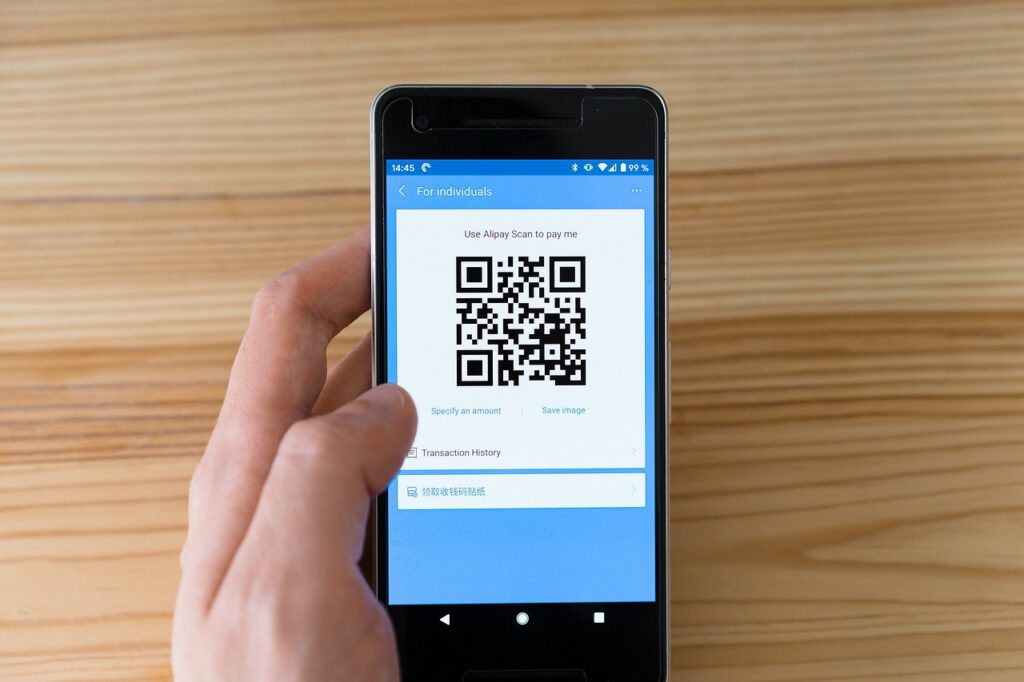

Just a year ago, most people still carried a physical wallet filled with cash, credit cards, and a few loyalty cards. Today, a single tap on a smartphone can pay for a coffee, split a dinner bill, and even transfer money across continents without ever touching cash. In the United States, mobile payment transaction volume grew 42% year‑over‑year in the last twelve months, reaching $1.2 trillion, while the number of active payment‑app users surged past 200 million. This dramatic shift illustrates how quickly payment apps have moved from niche tools to everyday essentials.
📝 What You'll Learn
The Current State of payment apps (step by step)
Payment apps—software platforms that allow users to send, receive, and store money electronically—have become a core part of daily commerce. At the most basic level, a payment app performs three functions: (1) account linking (connecting a bank account, credit card, or prepaid balance), (2) transaction processing (authorizing and moving funds), and (3) record keeping (showing a history of payments). Today, the majority of these apps operate on a smartphone, but many also offer web portals and integration with wearable devices.
Regulatory oversight now requires most payment apps to register as money‑transmission services, implement strong customer authentication, and comply with anti‑money‑laundering (AML) rules. Meanwhile, competition is fierce: traditional banks, fintech startups, and big‑tech giants all vie for a share of the market. This environment forces apps to continuously add features such as contactless NFC (near‑field communication) payments, QR‑code scanning, and instant peer‑to‑peer (P2P) transfers. Payment appssoftware platforms
| Metric | Current Value | Source Type | Trend |
|---|---|---|---|
| Active Users Worldwide | 2.6 billion | Industry Report | ↑ |
| Average Transaction Value | $45 | Analytics Firm | ↔ |
| Monthly Transaction Volume (U.S.) | $1.2 trillion | Financial Institute | ↑ |
| Regulatory Compliance Rate | 96% | Government Survey | ↑ |
Core payment apps Approaches
1. Integrated Digital Wallets
Integrated digital wallets combine payment processing, loyalty programs, and identity verification into a single app. The driving forces include consumer demand for convenience and retailers’ desire to capture more data. Data from 2023 shows that wallets offering built‑in rewards see a 15% higher transaction frequency than those without.
- Why It Works:
- Reduces friction by eliminating the need to switch apps.
- Creates valuable data loops for personalized offers.
- Encourages repeat usage through gamified rewards.
2. Real‑Time Peer‑to‑Peer (P2P) Transfers
Real‑time P2P transfers let users move money instantly between accounts, often using a phone number or email address as the identifier. The trend is driven by the rise of gig‑economy payments and the expectation of immediate settlement. In Q2 2024, P2P volume grew 28% compared with the same period in 2023. users move money
- Why It Works:
- Meets the speed expectations of younger demographics.
- Reduces reliance on cash for everyday splits.
- Provides a low‑cost alternative to traditional bank transfers.
3. Contactless NFC Payments
Contactless NFC payments use short‑range radio waves to transmit encrypted payment data from a phone to a point‑of‑sale terminal. The push comes from the proliferation of NFC‑enabled terminals and heightened hygiene concerns post‑pandemic. A 2024 survey found that 68% of retailers now prefer contactless options over swipe cards.
- Why It Works:
- Speeds up checkout, reducing queue times.
- Offers a touch‑free experience, appealing to health‑conscious shoppers.
- Leverages existing smartphone hardware, avoiding extra devices.
4. QR‑Code Based Payments
QR‑code based payments generate a machine‑readable pattern that encodes payment information, which users scan with their phone camera. The surge is fueled by the need for low‑cost infrastructure in emerging markets where NFC terminals are scarce. In India, QR payments grew 35% year‑over‑year in 2023. QRcode based payments
- Why It Works:
- Requires only a camera—no specialized hardware.
- Allows merchants of any size to accept digital payments quickly.
- Facilitates cross‑border transactions through standardized codes.
5. Open Banking APIs
Open banking APIs (application programming interfaces) let third‑party developers access bank data (with user consent) to build new payment experiences. Regulatory frameworks such as PSD2 in Europe and the Consumer Data Right in Australia drive this approach. By 2024, over 1,200 fintech firms worldwide were using open‑banking APIs.
- Why It Works:
- Enables innovative services like account‑to‑account transfers without card networks.
- Improves transparency by showing real‑time balances.
- Creates competition that lowers fees for consumers.
6. Biometric Authentication
Biometric authentication uses unique physical traits—fingerprint, facial recognition, or voice—to verify a user’s identity. The push comes from heightened security concerns and the decreasing cost of biometric sensors in smartphones. A 2023 study showed that apps with biometric login reduced fraudulent transactions by 40%. Biometric authentication uses
- Why It Works:
- Provides a frictionless yet secure login experience.
- Deters unauthorized access without remembering passwords.
- Builds user trust through visible security measures.
What’s Coming
In 1 Year
Within the next twelve months, payment apps are expected to embed AI‑driven spend insights directly into the user interface, offering real‑time budgeting tips after each transaction. This development is fueled by advances in machine learning that can categorize purchases instantly. The impact will be higher user engagement and a shift toward proactive financial wellness.
In 3 Years
Three years ahead, decentralized finance (DeFi) protocols will be integrated into mainstream payment apps, allowing users to hold and transfer cryptocurrencies alongside fiat currencies without leaving the app. Regulatory clarity and growing consumer familiarity with digital assets are the main drivers. The result will be broader asset diversity and lower cross‑border fees. Three years ahead
In 5 Years
Five years from now, payment apps are projected to become the primary identity platform for online interactions, using verifiable credentials stored on a digital wallet to replace passwords and separate login systems. The trend stems from the convergence of digital identity standards and the need for streamlined onboarding. This will dramatically reduce account‑creation friction and improve security across the internet.
| Year | Likely Development | Impact Level |
|---|---|---|
| 2025 | AI‑powered spend analytics embedded | High |
| 2027 | DeFi integration for crypto‑fiat swaps | Medium‑High |
| 2029 | Digital‑wallet‑based identity verification | Very High |
The Impact on Consumers
Faster checkout experiences – Early adopters will enjoy near‑instant payments at stores that support NFC, cutting wait times dramatically. Faster checkout experiences
Better budgeting control – AI insights will flag overspending and suggest savings, helping users keep finances on track.
Lower cross‑border fees – Integration of crypto and DeFi will let travelers send money abroad without traditional bank markup.
Enhanced security – Biometric login and tokenized card numbers will reduce fraud risk compared with static passwords.
Unified digital identity – A single verified credential will replace dozens of usernames, simplifying online interactions.
What to Do Right Now
- Enable biometric authentication on existing payment apps – This adds a strong layer of security without adding friction, protecting accounts from unauthorized access.
- Link a high‑interest savings account to the app – Automatic round‑up features will grow savings effortlessly, turning everyday purchases into investment.
- Explore apps that support QR‑code payments – Using QR codes can unlock discounts at merchants that favor low‑cost payment methods.
- Review and adjust notification settings – Real‑time alerts help spot suspicious activity early and keep spending transparent.
- Start a small trial of a DeFi‑enabled app – Early exposure builds familiarity with crypto‑fiat swaps before broader adoption becomes mainstream.
To Sum Up
The payment‑app ecosystem has shifted from simple money‑moving tools to multifunctional platforms that blend finance, identity, and data analytics. Emerging trends such as AI budgeting, DeFi integration, and biometric security are set to accelerate this evolution, offering consumers faster, safer, and more insightful ways to handle money. By taking a few proactive steps today, users can position themselves to reap the benefits of the next wave of digital payments.