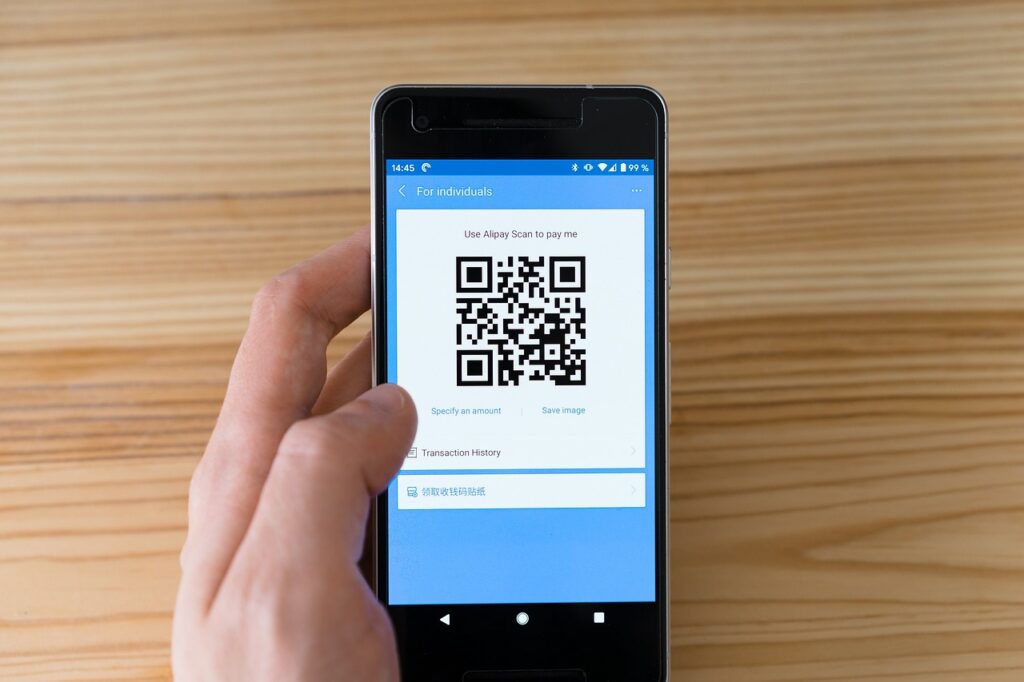

Choosing the right payment app is crucial in today’s digital age, with 71% of adults in the United States using mobile payments, and this number is expected to grow. According to industry studies, the global mobile payment market is projected to reach $1.69 trillion by 2028. Given this significant rise, selecting a reliable and feature-rich payment app matters. Data from 2024 suggests that security and ease of use are the top priorities for users when selecting a payment app. With numerous options available, understanding the strengths and weaknesses of each is vital for a seamless transaction experience. The impact of choosing the wrong app can lead to frustrations with transactions, security concerns, and missed benefits.
&#; Contents
Breaking Down Payment Apps
To compare payment apps effectively, it’s essential to understand what features and metrics are crucial for evaluation. Industry reports indicate that transaction fees, security measures, user interface, and additional financial tools are key factors. A study by a leading financial institution found that 62% of users consider low fees as a critical aspect when choosing a payment app. Moreover, with the rise of contactless payments, apps that support this feature are gaining popularity. The table below highlights key metrics to evaluate when comparing payment apps.
Understanding these metrics provides a foundation for evaluating the myriad of payment apps available in the market. Data analysis shows that apps with comprehensive features and low fees tend to have higher user satisfaction rates. Furthermore, the integration of additional financial tools such as budgeting and investment tracking can enhance the user experience and encourage long-term use.
| Metric | Description | Importance |
|---|---|---|
| Transaction Fees | Fees associated with transactions | High |
| Security Measures | Methods used to protect user data and transactions | Critical |
| User Interface | Ease of use and navigation within the app | High |
| Additional Financial Tools | Features such as budgeting, investment tracking, and savings goals | Medium |
Core Payment App Approaches
PayPal
PayPal is one of the most recognized payment apps globally, offering a wide range of services including online payments, money transfers, and debit card services. According to a survey, 70% of online shoppers have used PayPal at least once. PayPal’s extensive merchant network and ease of use make it a popular choice. However, fees can be higher compared to some newer alternatives.
- Plus Points:
- Wide acceptance among merchants
- User-friendly interface
- Strong security measures
- Drawbacks: discover more
- Higher transaction fees for certain services
- Customer service can be inconsistent
Best for: Individuals and businesses looking for a reliable and widely accepted payment method.
Venmo
Venmo, owned by PayPal, focuses on peer-to-peer transactions and is known for its social aspect, allowing users to share payment details and notes on their feed. A study found that 40% of Venmo users are more likely to use the app due to its social features. Venmo is free for most transactions and offers a user-friendly experience. However, its social aspect may not appeal to all users, and it’s primarily designed for personal transactions. social aspect allowing
- Plus Points: Plus Points
- Free for most transactions
- Easy to use
- Social features enhance the user experience
- Drawbacks: read more here
- Limited to personal transactions
- Not suitable for business use
Best for: Individuals who frequently make peer-to-peer transactions and enjoy the social aspect of sharing transactions. frequently make peertopeer
Apple Pay
Apple Pay is a digital wallet that allows users to make contactless payments using their Apple devices. According to Apple, over 90% of merchants in the US support Apple Pay. It’s known for its ease of use and high security standards, including Face ID and Touch ID for transaction authorization. However, it’s limited to Apple devices and certain merchants.
- Plus Points:
- Convenient and easy to use
- High security standards
- No additional fees for transactions
- Drawbacks: take a look at this
- Exclusive to Apple devices
- Limited compatibility with certain merchants
Best for: Apple device users who value convenience and security in their payment method.
Google Pay
Google Pay is a digital wallet that allows users to make payments online and in-store using their Android devices or Google Chrome on desktop. Google Pay supports a wide range of banks and payment methods, making it highly versatile. It also offers rewarding experiences through its rewards program. However, the availability of certain features can depend on the region.
- Plus Points:
- Wide compatibility with banks and payment methods
- Rewards program for frequent use
- Easy to set up and use
- Drawbacks: discover more
- Feature availability can vary by region
- Not all merchants support Google Pay
Best for: Android users and those looking for a versatile digital wallet with a rewards program. versatile digital wallet
Cash App
Cash App, formerly known as Square Cash, allows for peer-to-peer payments and also offers a debit card, called Cash Card, for making purchases. According to Cash App, it has over 30 million active users. It’s known for its simplicity and the ability to invest in stocks and bitcoin directly from the app. However, like other payment apps, it has fees associated with certain transactions, such as ATM withdrawals. Square Cash allows
- Plus Points: Plus Points
- Simple and easy to use
- Investment options directly within the app
- Cash Card for making purchases
- Drawbacks: see what this offers
- Fees for certain transactions, like ATM withdrawals
- Customer support can be limited
Best for: Individuals looking for a straightforward payment app with additional financial tools like investment options.
| Option | Best For | Difficulty | Cost | Speed |
|---|---|---|---|---|
| PayPal | Individuals and businesses | Easy | Variable fees | Fast |
| Venmo | Peer-to-peer transactions | Very Easy | Free for most transactions | Instant |
| Apple Pay | Apple device users | Easy | No additional fees | Fast |
| Google Pay | Android users and online shoppers | Easy | No additional fees for most transactions | Fast |
| Cash App | Peer-to-peer and investment | Very Easy | Fees for certain transactions | Instant |
How to Choose the Right One
Choosing the right payment app involves considering several key factors, including the type of transactions you plan to make, the devices you use, the fees associated with transactions, and the level of security provided. Security is paramount, with features like encryption, two-factor authentication, and fraud protection being essential. The user interface and ease of use are also critical, as they can significantly impact your overall experience with the app. involves considering several
Another crucial aspect is compatibility with your device and the merchants you frequently visit. For instance, if you’re an Apple user, Apple Pay might be the most convenient option due to its seamless integration with Apple devices. On the other hand, if you’re looking for an app with investment options, Cash App could be more appealing. Understanding your specific needs and comparing them against the features and benefits of each app will lead to the best choice. Another crucial aspect
Furthermore, cost is a significant factor. While some apps are free for most transactions, others may charge fees for services like ATM withdrawals or instant transfers. Evaluating these costs against your usage patterns can help in selecting an app that minimizes your expenses. Customer support is also an important consideration, especially for those who may need assistance with transactions or have questions about the app’s features. significant factor While
To wrap up, the decision should be based on a thorough evaluation of these decision factors. By understanding the strengths and weaknesses of each app and aligning them with your needs, you can make an informed decision that meets your financial and transactional requirements effectively. these decision factors
The Impact on Consumers
Picking the right payment app can have a significant impact on consumers, starting with enhanced security. Using an app with robust security features can protect users from fraud and unauthorized transactions, providing peace of mind with every payment. Moreover, apps with transparent fee structures help consumers budget more effectively and avoid unexpected charges. enhanced security Using
Convenience is another benefit, as the right app can make transactions quicker and more efficient, whether it’s sending money to friends, paying bills, or making online purchases. This convenience can also encourage more financial inclusion, as individuals who may not have access to traditional banking services can participate in digital transactions. make transactions quicker
The availability of additional financial tools, such as budgeting and investment tracking, can further empower consumers to manage their finances more effectively. These tools can help in setting financial goals, tracking expenses, and making informed investment decisions, leading to better financial health and stability. additional financial tools
Furthermore, the use of payment apps can promote contactless payments, reducing the need for physical cash and the associated risks, such as loss or theft. This shift towards digital transactions can also support environmental sustainability by reducing the demand for paper currency and the resources needed to produce it.
In addition, payment apps can offer rewards and loyalty programs, providing users with incentives for using the app frequently. These programs can offer cashback, discounts, or exclusive deals, enhancing the overall value proposition of the app and encouraging continued use.
Lastly, the right payment app can facilitate international transactions more easily, supporting global commerce and travel by allowing users to send and receive money across borders efficiently and at competitive exchange rates.
The Bottom Line
The process of selecting a payment app involves a careful consideration of various factors, including security, fees, compatibility, and additional features. By evaluating these aspects and aligning them with individual needs, consumers can choose an app that enhances their financial management and transaction experience. Ultimately, the right payment app can provide a secure, convenient, and feature-rich platform for managing finances, making it an essential tool in today’s digital economy.
The decision framework outlined in this comparison guide provides a structured approach to evaluating payment apps, ensuring that consumers can make informed decisions based on their specific requirements and preferences. Whether for personal or business use, the choice of payment app can significantly impact one’s financial transactions and overall financial well-being.
In the ever-evolving landscape of digital payments, staying informed about the latest features, security measures, and user experiences of different payment apps is crucial. As the market continues to grow and innovate, consumers are poised to benefit from more secure, convenient, and feature-rich payment solutions, further integrating digital transactions into daily life.