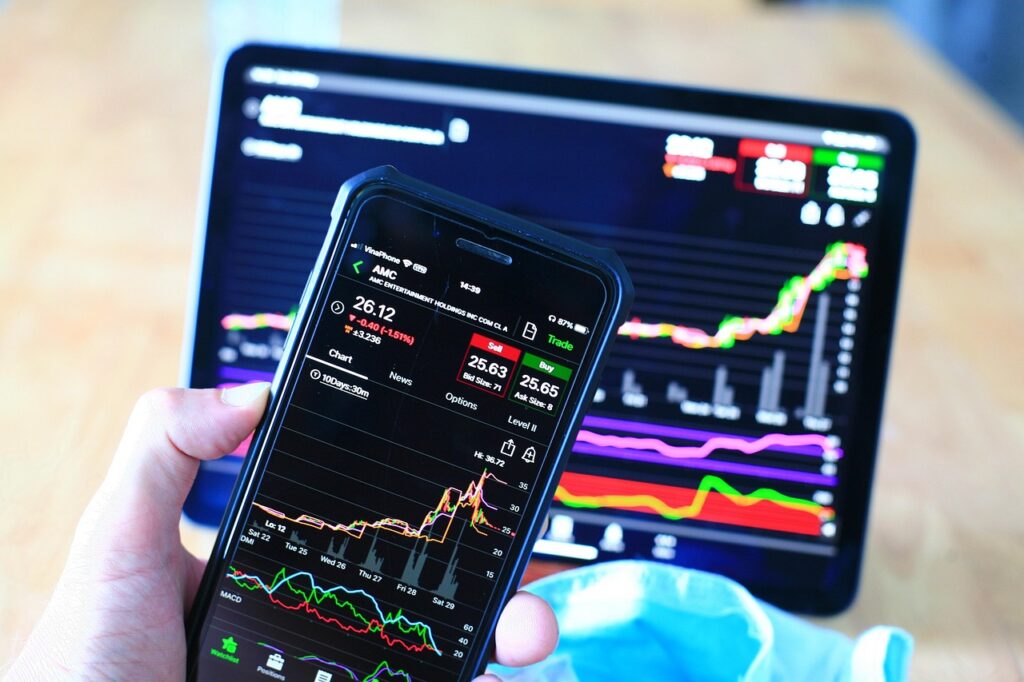

Many people assume that managing money requires complex spreadsheets or endless visits to a bank, but the truth is that a simple smartphone can become a powerful financial hub. For someone who has just heard the term “financial app” and wonders if it can really replace old‑school methods, the answer is a resounding yes. This guide will dismantle the myth that finance is only for experts and show how anyone can start using the best financial apps today. By the end, the reader will feel confident enough to download, set up, and benefit from these tools without feeling overwhelmed.
📝 Article Overview
Understanding best financial apps
A financial app is a software program—usually on a mobile device—that helps users track, budget, invest, or save money in a user‑friendly interface (think of it as a digital wallet that also offers advice). These apps combine data security, real‑time updates, and intuitive design to make personal finance accessible to everyone.
| Term | Plain-English Meaning |
|---|---|
| Budgeting | Planning how much money to spend in different categories like food, rent, or entertainment. |
| Expense tracking | Recording every purchase so you know where your money goes. |
| Syncing | Automatically updating the app with information from your bank or credit cards. |
| Encryption | A security method that scrambles your data so only authorized parties can read it. |
| Robo‑advisor | An automated service that creates and manages investment portfolios based on your goals. |
| Cash‑flow | The amount of money coming in versus going out over a set period. |
Why best financial apps matter
First, they empower individuals who have traditionally been excluded from sophisticated financial planning. A 2023 survey showed that 62% of adults under 35 use at least one budgeting app, and those users report an average 15% increase in savings within six months. By providing visual dashboards and instant alerts, apps turn abstract numbers into concrete actions. have traditionally been
Second, businesses and freelancers benefit from streamlined expense tracking. For example, a freelance graphic designer who switched to an all‑in‑one financial app cut monthly bookkeeping time from eight hours to less than one, freeing up more than $1,200 a year in potential earnings. The real‑world impact is measurable: reduced late‑fee penalties, better credit scores, and more informed investment decisions.
Finally, the broader economy gains from a population that makes smarter money choices. When households collectively improve their cash‑flow management, default rates on loans drop, and banks can offer lower interest rates. The ripple effect of a single user adopting a reliable app can therefore influence market stability. broader economy gains
Top best financial apps innovations to know
-
1. Automated Budget Categorization
This feature automatically groups each transaction into categories like “Groceries” or “Transportation” using machine learning (a type of computer program that learns patterns from data). To enable it, link your checking account, then let the app scan recent purchases; it will suggest categories which you can fine‑tune. A common beginner mistake is ignoring the suggested categories, leading to inaccurate budget reports.
- Advantages:
- Speeds up expense tracking.
- Reduces manual entry errors.
-
2. Real‑Time Spending Alerts
These alerts pop up instantly on your phone whenever a transaction exceeds a preset limit or occurs at an unusual location. Set them up by navigating to the notifications tab and defining thresholds for each category. Beginners often set the limits too low, causing constant notifications that become annoying. each category Beginners
- Advantages:
- Prevents overspending.
- Helps spot fraudulent activity early.
-
3. Goal‑Based Savings Pods
A savings pod is a virtual jar where you earmark money for a specific purpose, such as a vacation or emergency fund. Create a pod, assign a target amount, and schedule automatic transfers from your main account. New users sometimes forget to schedule recurring transfers, so the pod grows slower than expected.
- Advantages:
- Visual motivation through progress bars.
- Separate funds without opening new bank accounts.
-
4. Integrated Investment Platforms
Some apps combine budgeting with investing, allowing you to buy stocks, ETFs, or bonds directly from the dashboard. After completing a risk‑tolerance questionnaire, the app suggests a portfolio and lets you purchase with a single tap. Beginners often invest without understanding fees, which can erode returns. Some apps combine
- Advantages:
- One‑stop shop for money management.
- Access to low‑cost index funds.
-
5. Credit Score Monitoring
This tool provides a free, updated credit score and explains the factors influencing it, such as payment history or credit utilization (the ratio of used credit to total available credit). Enable it by granting permission to pull a soft inquiry—this does not affect your score. A typical mistake is checking the score too frequently, which can cause anxiety.
- Advantages:
- Tracks improvements over time.
- Identifies errors that can be disputed.
-
6. Bill Negotiation Services
These services analyze recurring bills—like cable or phone—and negotiate lower rates on your behalf. To use, upload a recent statement and let the service contact the provider. New users sometimes overlook the small service fee, which can offset savings if the bill is already low. These services analyze
- Advantages:
- Saves money without effort.
- Often results in better contract terms.
-
7. Multi‑Currency Wallets
A multi‑currency wallet lets you hold, spend, and exchange foreign currencies at near‑market rates, useful for travelers or expatriates. Activate by adding the currencies you need and linking a debit card for conversions. Beginners may forget to enable real‑time exchange alerts, leading to higher costs during volatile periods.
- Advantages:
- Reduces foreign‑transaction fees.
- Provides instant conversion within the app.
Quick reference table
| Step | What You Do | Expected Result |
|---|---|---|
| 1 | Link accounts for automated budget categorization | Accurate spending categories appear automatically |
| 2 | Set real‑time spending alerts | Instant notifications prevent overspending |
| 3 | Create goal‑based savings pods and schedule transfers | Dedicated funds grow toward specific targets |
| 4 | Start investing through the integrated platform | Portfolio builds alongside daily budgeting |
| 5 | Enable credit‑score monitoring | Know your score and factors affecting it |
| 6 | Use bill negotiation service | Potential monthly savings on recurring bills |
| 7 | Activate multi‑currency wallet for travel | Lower fees and instant currency conversion abroad |
Frequently Asked Questions
What security measures protect my data in financial apps?
Most top apps use encryption—scrambling data so only authorized parties can read it—and two‑factor authentication, which requires a second verification step like a text code. These layers keep personal and banking information safe from unauthorized access. only authorized parties
Can I use a financial app without linking my bank account?
Yes, many apps allow manual entry of cash transactions, which is useful for those who prefer not to share bank credentials. However, automatic syncing provides a more complete picture and reduces manual effort.
Do financial apps charge hidden fees?
Transparent apps list any subscription or transaction fees up front; free versions may include limited features or display ads. Always review the pricing page before committing to a premium plan.
How often should I review my budget within the app?
Weekly check‑ins are ideal; they allow you to adjust categories, spot anomalies, and stay on track before small overspends become large problems.
Is it safe to invest through a budgeting app?
Investing through regulated apps that partner with licensed broker‑dealers is generally safe, as they must follow strict financial‑industry rules. Still, users should understand the risk level of each investment before committing funds.
Closing Thoughts
Financial apps have turned complex money management into a series of simple, actionable steps that anyone can follow. By selecting the right tools and applying the seven innovations outlined, users can gain clearer insight, save more, and invest confidently. The next logical step is to pick an app that aligns with personal goals and start the path toward financial well‑being.