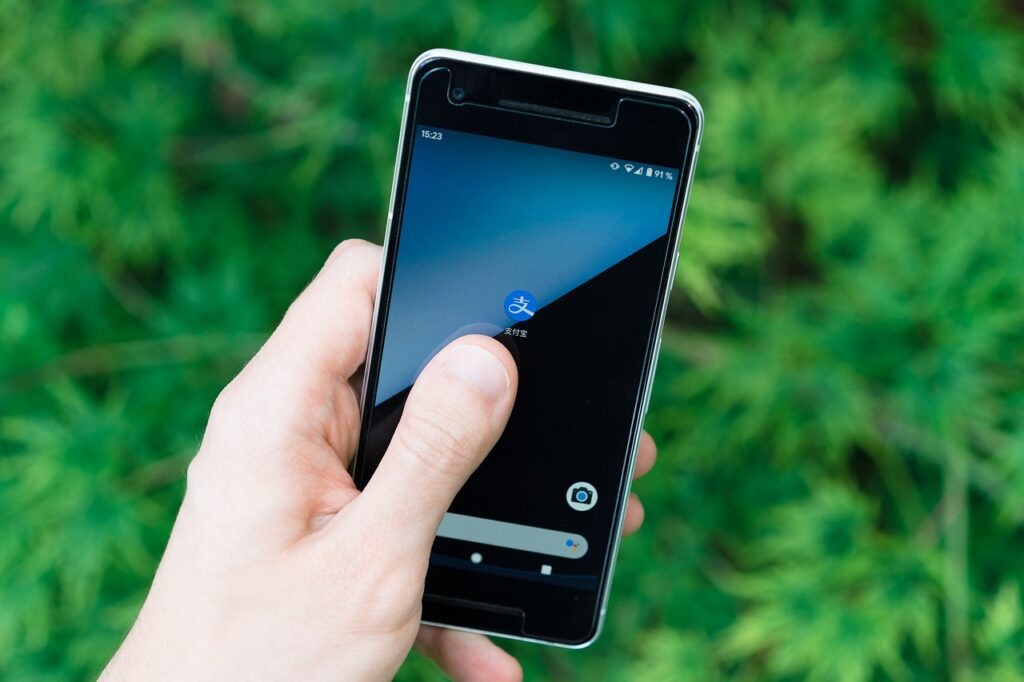

Imagine walking into a coffee shop, grabbing your morning coffee, and walking out without having to pull out your wallet or wait in line to pay. This is the reality with contactless payments, as seen in cities like London, where commuters use their contactless cards or smartphones to pay for their daily travel. In 2020, over 1 billion contactless transactions were made in the UK alone, showcasing the rapid adoption of this technology. Contactless payments are not just limited to small transactions; they are also being used for larger purchases, such as buying tickets for events or making payments at restaurants. The convenience and speed of contactless payments are making them increasingly popular. As of 2022, over 50% of all card transactions in the UK were contactless, demonstrating a significant shift in consumer behavior. With the advancements in technology, it’s interesting to see how contactless payments will evolve in the future.
📝 Article Overview
Defining Contactless Payments
Contactless payments refer to transactions that do not require physical contact between the payment device and the point of sale terminal. They use near-field communication (NFC) technology, allowing users to make payments by tapping their card, smartphone, or wearable device on a compatible reader. This technology has been around for several years but has seen a significant increase in adoption due to its convenience and the push for cashless societies. Companies like Apple, with Apple Pay, and Google, with Google Pay, have been at the forefront of promoting contactless payments through their mobile devices.
The context of contactless payments is closely tied to the evolution of payment technologies. From magnetic stripe cards to chip cards and now to contactless payments, each advancement has aimed to increase security, convenience, and efficiency. The comparison between different payment methods can be seen in the following table:
| Payment Method | Security | Convenience | Speed |
|---|---|---|---|
| Cash | Low | Medium | Fast |
| Magnetic Stripe Cards | Medium | High | Fast |
| Chip Cards | High | High | Medium |
| Contactless Payments | Very High | Very High | Very Fast |
Contactless payments offer a high level of security due to the use of tokenization, where the actual card number is replaced with a unique token, making transactions more secure. They also provide convenience, as users do not need to physically handle their cards or enter PINs for small transactions, and speed, as transactions are typically faster than traditional card payments.
Key Contactless Payment Advancements
1. Introduction of Mobile Wallets
The introduction of mobile wallets like Apple Pay, Google Pay, and Samsung Pay has been a significant advancement in contactless payments. These wallets allow users to store their card information securely on their mobile devices and make payments by tapping their phone on a compatible reader. For instance, in the US, the use of mobile wallets has increased significantly, with over 30% of smartphone users utilizing mobile payments in 2022.
This advancement has detailed implications for consumer behavior and merchant adoption. Consumers gain the convenience of carrying fewer physical cards, while merchants benefit from faster transaction times and reduced queues. The security of mobile wallets is also a significant factor, as they use robust encryption and biometric authentication, such as facial recognition or fingerprints, to secure transactions.
- What You Gain: Convenience of not needing a physical wallet, increased security through tokenization and biometric authentication, and faster transaction times.
- Enhanced user experience through easy setup and use of mobile wallets, with clear instructions and minimal steps required to add a card and make a payment.
- Reduced risk of card skimming and lost or stolen cards, as the actual card number is never shared with the merchant, reducing the risk of fraud.
2. Wearable Payment Devices
Wearable payment devices, such as smartwatches and fitness trackers with payment capabilities, have expanded the scope of contactless payments. Users can make payments with a simple tap of their wrist, without needing to pull out their phone or wallet. For example, Fitbit and Garmin smartwatches allow users to make payments on the go, using services like Fitbit Pay and Garmin Pay.
This advancement has opened up new avenues for fitness enthusiasts and individuals who prefer minimalist accessories. The convenience of wearable payments is especially beneficial in scenarios where carrying a phone or wallet is impractical, such as during exercise or travel. Wearable devices also often include additional security features, such as PIN codes or biometric authentication, to protect transactions.
- What You Gain: The ability to make payments without needing a phone or wallet, enhanced security features such as PIN protection and biometric authentication.
- Increased convenience during activities where carrying a phone or wallet is not practical, such as running or swimming, allowing for seamless payments on the go.
- Integration with health and fitness tracking, providing a holistic view of the user’s lifestyle and activities, and potentially offering personalized rewards or discounts based on their fitness goals.
3. Contactless Payment Cards
Contactless payment cards, which use NFC technology to make transactions, have become widely adopted. Banks and financial institutions have been issuing these cards, which offer the same convenience as mobile wallets but in a traditional card format. For instance, in Australia, over 70% of all card transactions are contactless, highlighting the popularity of this technology.
This advancement has been significant for merchants, as it requires minimal investment in new infrastructure, and for consumers, who can enjoy the benefits of contactless payments without needing a smartphone. The security of contactless cards is also noteworthy, as they use the same level of encryption as mobile wallets, protecting user data and preventing unauthorized transactions.
- What You Gain: Wide acceptance, as most merchants who accept card payments can also accept contactless payments, making it a convenient option for daily transactions.
- No need for a smartphone, making contactless payments accessible to a broader demographic, including those who prefer traditional payment methods or do not have access to smartphones.
- Fast transaction times, reducing queues and wait times for both consumers and merchants, and enhancing the overall shopping experience.
4. Biometric Authentication
Biometric authentication, such as facial recognition, fingerprints, and voice recognition, has enhanced the security of contactless payments. This technology ensures that even if a device is lost or stolen, transactions can only be authorized by the rightful owner. For example, Apple’s Face ID and Touch ID provide an additional layer of security for Apple Pay transactions.
This advancement has significantly reduced the risk of fraud associated with contactless payments. Biometric data is unique to each individual, making it virtually impossible for unauthorized parties to mimic or steal. The integration of biometric authentication with contactless payments also offers a seamless user experience, as transactions are authorized quickly and securely.
- What You Gain: Enhanced security through unique biometric identifiers, reducing the risk of fraud and protecting user data.
- Convenience, as biometric authentication often eliminates the need for passwords or PINs, streamlining the payment process.
- Peace of mind, knowing that transactions are secure and can only be authorized by the device’s owner, even if the device is lost or stolen.
5. Open Banking and APIs
Open banking and APIs have enabled the development of new contactless payment solutions by allowing third-party providers to access bank account information (with user consent). This has led to innovative services that integrate contactless payments with other financial tools and apps. For instance, the EU’s Payment Services Directive (PSD2) has facilitated the growth of open banking, enabling new payment initiation services and account information services.
This advancement has fostered a more competitive and innovative financial services market. Consumers can now choose from a variety of contactless payment solutions tailored to their specific needs, whether it’s for budgeting, investing, or simply making payments. The use of APIs also enables secure and efficient data exchange between financial institutions and third-party providers, enhancing the overall user experience.
- What You Gain: Access to a wider range of financial services and tools, all integrated with contactless payments, providing a comprehensive financial management solution.
- Innovative payment solutions that can be tailored to specific needs or preferences, such as personalized budgeting or investment apps.
- Increased competition among financial service providers, driving innovation and better services for consumers, and promoting a more inclusive and accessible financial system.
Why People Are Paying Attention
✔ Convenience
Contactless payments offer unparalleled convenience, allowing users to make transactions quickly and easily without the need for cash or physical cards. This convenience is a major draw for consumers, especially in scenarios where speed and ease of use are paramount, such as in public transport or at fast-food chains. The widespread adoption of contactless payments in countries like the UK and Australia is a testament to their convenience and appeal.
✔ Security
The security features of contactless payments, including tokenization and biometric authentication, provide a high level of protection against fraud. This security is essential for building trust in contactless payments, particularly among consumers who are cautious about adopting new payment technologies. The use of advanced encryption and secure authentication protocols also ensures that transactions are protected from interception or manipulation.
✔ Speed
Contactless payments are generally faster than traditional payment methods, reducing wait times for both consumers and merchants. This speed is particularly beneficial in high-volume transaction environments, such as retail stores or public transport systems, where efficiency is crucial. The quick transaction times also enhance the overall user experience, making contactless payments a preferred choice for many consumers. generally faster than
✔ Innovation
The continuous innovation in contactless payments, driven by advancements in technology and changing consumer behaviors, ensures that this method of payment stays relevant and appealing. New features and services, such as wearable payments and integrated financial tools, are regularly being introduced, keeping contactless payments at the forefront of the financial technology sector. This innovation also encourages competition among service providers, driving better services and more options for consumers.
✔ Environmental Benefits
Contactless payments contribute to a reduction in the use of physical cash and cards, which can have environmental benefits. The production and disposal of cash and cards require significant resources and can contribute to waste. By reducing the need for these physical items, contactless payments can play a role in making financial transactions more sustainable. Additionally, digital receipts and statements can also reduce paper waste, further minimizing the environmental impact of financial transactions.
✔ Global Acceptance
The increasing global acceptance of contactless payments makes them a viable option for international transactions. Whether traveling abroad or making online purchases from foreign merchants, contactless payments can facilitate these transactions with ease. This global acceptance is crucial for businesses and individuals alike, as it enables seamless transactions across borders and currencies, promoting international trade and commerce.
How This Will Evolve
- Predicted Increase in Contactless Payment Adoption
- Integration with Emerging Technologies
- Enhanced Biometric Security
- Expansion into New Markets
- Regulatory Frameworks
As more merchants adopt contactless payment technology and consumer awareness increases, the use of contactless payments is expected to rise significantly. This growth will be driven by the convenience, security, and speed that contactless payments offer, making them an attractive option for both consumers and merchants. The expansion of contactless payments will also be influenced by government initiatives and regulatory support, which can facilitate the adoption of this technology.
This increase in adoption will lead to a more cashless and cardless society, where transactions are primarily digital. The benefits of such a society include reduced transaction costs, increased efficiency, and enhanced security, making it an appealing future for the financial sector. However, it also poses challenges, such as ensuring access to digital payment systems for all segments of the population, particularly the underbanked and those in remote areas.
Contactless payments will likely integrate with emerging technologies such as the Internet of Things (IoT) and artificial intelligence (AI). This integration could enable new forms of contactless transactions, such as voice-activated payments or transactions initiated by smart home devices. The use of AI can also enhance the security and efficiency of contactless payments, by analyzing transaction patterns and detecting potential fraud.
This integration will open up new avenues for innovation in the payment sector, allowing for more personalized and streamlined payment experiences. For instance, smart home devices could automatically initiate payments for services or subscriptions, eliminating the need for manual transactions. The use of AI can also help in predicting consumer behavior and preferences, enabling more targeted and effective marketing strategies.
Biometric security features, such as facial recognition and fingerprint scanning, are expected to become even more sophisticated, providing an additional layer of security for contactless payments. The development of new biometric technologies, such as vein recognition or behavioral biometrics, could further enhance the security of contactless transactions. These advancements will be crucial in preventing fraud and ensuring the integrity of the payment system.
This enhanced security will be essential for maintaining consumer trust in contactless payments. As biometric technology evolves, it will become more difficult for unauthorized parties to mimic or steal biometric data, reducing the risk of fraud and identity theft. The use of advanced biometric security will also enable more secure and convenient transactions, such as password-less authentication and seamless device unlocking.
Contactless payments are expected to expand into new markets, particularly in regions where traditional banking services are less prevalent. This expansion will be driven by the increasing availability of smartphones and the growing demand for digital payment solutions. The use of contactless payments in these markets can help to promote financial inclusion, by providing access to payment systems for the unbanked and underbanked populations. regions where traditional
This expansion will bring contactless payments to a broader audience, contributing to a more inclusive and interconnected global payment system. The introduction of contactless payments in new markets will also create new opportunities for economic growth and development, by facilitating trade and commerce. However, it also poses challenges, such as ensuring the availability of necessary infrastructure and promoting consumer awareness and education.
Regulatory frameworks will play a crucial role in the future of contactless payments, as governments and financial institutions work to ensure the security, privacy, and accessibility of these transactions. The development of clear and consistent regulations will be essential for promoting the adoption of contactless payments, while also protecting consumers and preventing fraud. The regulatory frameworks will need to balance the need for innovation and competition with the need for security and consumer protection.
This regulatory environment will shape the evolution of contactless payments, influencing how they are adopted and used globally. The regulations will need to be flexible and adaptable, to accommodate the rapid pace of technological change in the payment sector. The use of regulatory sandboxes and innovation hubs can also facilitate the development of new payment technologies, by providing a safe and controlled environment for testing and experimentation.
| Country | Contactless Payment Adoption Rate | Projected Growth | Key Drivers |
|---|---|---|---|
| United Kingdom | 70% | 10% | Government support, consumer awareness |
| Australia | 60% | 12% | High smartphone penetration, merchant adoption |
| United States | 40% | 15% | Increasing consumer demand, technological advancements |
| China | 50% | 20% | Rapid adoption of mobile payments, government initiatives |
Wrapping Up
Contactless payments represent a significant shift in how we make transactions, offering a blend of convenience, security, and speed that traditional payment methods cannot match. The advancements in technology, regulatory support, and growing consumer acceptance are all contributing to the rapid adoption of contactless payments worldwide. As this technology continues to evolve, integrating with emerging technologies and expanding into new markets, it is likely to play an increasingly central role in the future of financial transactions.
The impact of contactless payments on the financial sector and consumer behavior will be profound, driving a more cashless and cardless society. The benefits of contactless payments, including reduced transaction costs, increased efficiency, and enhanced security, will make them an attractive option for both consumers and merchants. However, it also poses challenges, such as ensuring access to digital payment systems for all segments of the population and promoting consumer awareness and education.
To wrap up, the future of contactless payments looks promising, with significant opportunities for growth, innovation, and adoption. As technology continues to advance and consumer preferences evolve, contactless payments will remain at the forefront of the payment sector, driving a more convenient, secure, and efficient payment experience for all.