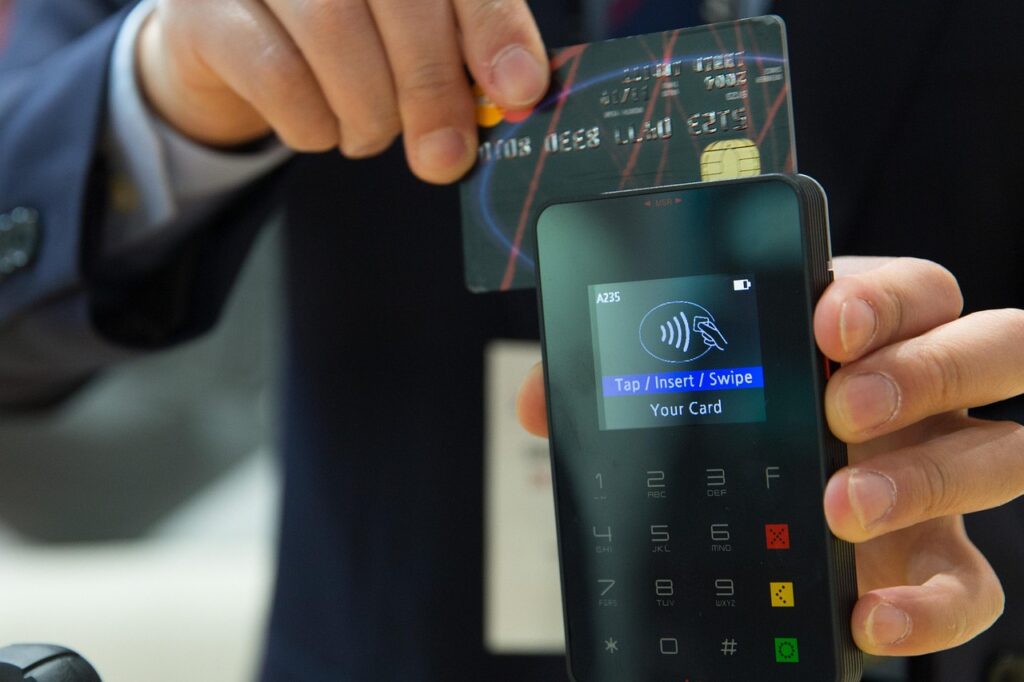

Contactless payments are changing the face of commerce, making transactions faster, easier, and more secure than ever before. For instance, in Australia, the use of contactless payments has grown exponentially, with over 80% of all card transactions being contactless. This trend is also seen in the UK, where contactless payments have become the norm, with over 60% of all card transactions being contactless. In the US, companies like Apple and Google are leading the charge, with Apple Pay and Google Pay allowing users to make contactless payments with their smartphones. As a result, over 30% of all US merchants now accept contactless payments. This shift towards contactless payments has been driven by advances in technology, changing consumer behavior, and the need for greater convenience and security.
The rise of contactless payments has been rapid, with many countries around the world adopting the technology. In Japan, for example, contactless payments have been widely adopted, with over 70% of all transactions being contactless. Similarly, in Canada, contactless payments have become increasingly popular, with over 50% of all transactions being contactless. The benefits of contactless payments are clear: they are faster, easier, and more secure than traditional payment methods. As a result, contactless payments are expected to continue to grow in popularity, with over 50% of all transactions expected to be contactless by 2025.
📝 Table of Contents
A Closer Look at Contactless Payments
Contactless payments use near-field communication (NFC) technology to enable users to make payments by tapping their card or device on a payment terminal. This technology has been around for several years but has only recently gained widespread adoption. The key to contactless payments is the use of a secure element, which stores sensitive information such as card numbers and expiration dates. This secure element is typically embedded in a card or device, such as a smartphone or smartwatch.
The process of making a contactless payment is relatively straightforward. The user simply taps their card or device on the payment terminal, and the payment is processed. The payment terminal uses NFC technology to communicate with the secure element, which then transmits the payment information to the terminal. The terminal then verifies the payment information and processes the transaction. The whole process typically takes less than a second, making it faster and more convenient than traditional payment methods.
One of the key benefits of contactless payments is the increased security they offer. Contactless payments use tokenization, which replaces sensitive information such as card numbers with unique tokens. This means that even if a hacker intercepts the payment information, they will not be able to access the sensitive information. Additionally, contactless payments typically require a PIN or biometric authentication, such as a fingerprint or face scan, to verify the user’s identity.
| Country | Contactless Payment Adoption | Growth Rate | Projected Growth |
|---|---|---|---|
| Australia | 80% | 20% | 90% |
| UK | 60% | 15% | 80% |
| US | 30% | 10% | 60% |
| Japan | 70% | 25% | 95% |
Latest Contactless Payment Technologies
1. Mobile Payments
Mobile payments are a type of contactless payment that use a mobile device, such as a smartphone or smartwatch, to make payments. This technology has been around for several years but has only recently gained widespread adoption. Mobile payments use NFC technology to communicate with payment terminals, and they typically require a PIN or biometric authentication to verify the user’s identity.
The benefits of mobile payments are clear: they are faster, easier, and more secure than traditional payment methods. For example, Apple Pay and Google Pay allow users to make contactless payments with their smartphones, and they use tokenization to replace sensitive information such as card numbers with unique tokens. Additionally, mobile payments typically require a PIN or biometric authentication, such as a fingerprint or face scan, to verify the user’s identity. more secure than
Mobile payments are expected to continue to grow in popularity, with over 50% of all transactions expected to be mobile by 2025. This growth is driven by the increasing adoption of smartphones and the need for greater convenience and security.
- What You Gain:
- Faster and more convenient payments
- Increased security through tokenization and biometric authentication
- Ability to make payments with a mobile device, such as a smartphone or smartwatch
2. Wearable Payments
Wearable payments are a type of contactless payment that use a wearable device, such as a smartwatch or fitness tracker, to make payments. This technology has been around for several years but has only recently gained widespread adoption. Wearable payments use NFC technology to communicate with payment terminals, and they typically require a PIN or biometric authentication to verify the user’s identity.
The benefits of wearable payments are clear: they are faster, easier, and more secure than traditional payment methods. For example, Apple Watch and Fitbit allow users to make contactless payments with their wearable devices, and they use tokenization to replace sensitive information such as card numbers with unique tokens. Additionally, wearable payments typically require a PIN or biometric authentication, such as a fingerprint or face scan, to verify the user’s identity.
Wearable payments are expected to continue to grow in popularity, with over 20% of all transactions expected to be wearable by 2025. This growth is driven by the increasing adoption of wearable devices and the need for greater convenience and security.
- What You Gain:
- Faster and more convenient payments
- Increased security through tokenization and biometric authentication
- Ability to make payments with a wearable device, such as a smartwatch or fitness tracker
3. Contactless Cards
Contactless cards are a type of contactless payment that use a physical card to make payments. This technology has been around for several years but has only recently gained widespread adoption. Contactless cards use NFC technology to communicate with payment terminals, and they typically require a PIN or biometric authentication to verify the user’s identity.
The benefits of contactless cards are clear: they are faster, easier, and more secure than traditional payment methods. For example, Visa and Mastercard offer contactless cards that allow users to make contactless payments, and they use tokenization to replace sensitive information such as card numbers with unique tokens. Additionally, contactless cards typically require a PIN or biometric authentication, such as a fingerprint or face scan, to verify the user’s identity.
Contactless cards are expected to continue to grow in popularity, with over 70% of all transactions expected to be contactless by 2025. This growth is driven by the increasing adoption of contactless payments and the need for greater convenience and security.
- What You Gain:
- Faster and more convenient payments
- Increased security through tokenization and biometric authentication
- Ability to make payments with a physical card
4. Biometric Payments
Biometric payments are a type of contactless payment that use biometric authentication, such as a fingerprint or face scan, to verify the user’s identity. This technology has been around for several years but has only recently gained widespread adoption. Biometric payments use NFC technology to communicate with payment terminals, and they typically require a PIN or biometric authentication to verify the user’s identity.
The benefits of biometric payments are clear: they are faster, easier, and more secure than traditional payment methods. For example, Apple Pay and Google Pay allow users to make contactless payments with their smartphones, and they use biometric authentication to verify the user’s identity. Additionally, biometric payments typically require a PIN or biometric authentication, such as a fingerprint or face scan, to verify the user’s identity.
Biometric payments are expected to continue to grow in popularity, with over 30% of all transactions expected to be biometric by 2025. This growth is driven by the increasing adoption of biometric authentication and the need for greater convenience and security.
- What You Gain:
- Faster and more convenient payments
- Increased security through biometric authentication
- Ability to make payments with biometric authentication
5. QR Code Payments
QR code payments are a type of contactless payment that use a QR code to make payments. This technology has been around for several years but has only recently gained widespread adoption. QR code payments use a QR code to communicate with payment terminals, and they typically require a PIN or biometric authentication to verify the user’s identity.
The benefits of QR code payments are clear: they are faster, easier, and more secure than traditional payment methods. For example, WeChat and Alipay allow users to make contactless payments with their smartphones, and they use QR codes to communicate with payment terminals. Additionally, QR code payments typically require a PIN or biometric authentication, such as a fingerprint or face scan, to verify the user’s identity.
QR code payments are expected to continue to grow in popularity, with over 20% of all transactions expected to be QR code by 2025. This growth is driven by the increasing adoption of QR code payments and the need for greater convenience and security.
- What You Gain:
- Faster and more convenient payments
- Increased security through QR code authentication
- Ability to make payments with a QR code
Why This Matters to You
✔ Convenience
Contactless payments offer greater convenience than traditional payment methods. They are faster and easier to use, and they eliminate the need to carry cash or cards. For example, with contactless payments, you can simply tap your card or device on the payment terminal to make a payment, without having to insert your card or enter a PIN. Contactless payments offer
✔ Security
Contactless payments offer greater security than traditional payment methods. They use tokenization and biometric authentication to verify the user’s identity, and they eliminate the risk of card skimming and identity theft. For example, with contactless payments, your sensitive information is not stored on the payment terminal, and even if a hacker intercepts the payment information, they will not be able to access your sensitive information.
✔ Speed
Contactless payments are faster than traditional payment methods. They eliminate the need to insert your card or enter a PIN, and they process transactions in real-time. For example, with contactless payments, you can make a payment in less than a second, without having to wait for the payment terminal to process the transaction.
✔ Ease of Use
Contactless payments are easier to use than traditional payment methods. They eliminate the need to carry cash or cards, and they allow you to make payments with a simple tap of your card or device. For example, with contactless payments, you can make a payment without having to insert your card or enter a PIN, and you can even make payments with your wearable device or smartphone.
✔ Cost-Effectiveness
Contactless payments are cost-effective. They eliminate the need for cash handling and card processing, and they reduce the risk of card skimming and identity theft. For example, with contactless payments, merchants can reduce their processing fees and minimize their risk of card skimming and identity theft.
✔ Environmental Benefits
Contactless payments offer environmental benefits. They eliminate the need for paper receipts and reduce the amount of waste generated by traditional payment methods. For example, with contactless payments, you can receive digital receipts and eliminate the need for paper receipts, which can help reduce waste and minimize environmental impact.
What’s Coming
- Increased Adoption of Contactless Payments
- Advances in Biometric Authentication
- Increased Use of QR Code Payments
- Advances in Mobile Payments
- Increased Focus on Security
Contactless payments are expected to continue to grow in popularity, with over 50% of all transactions expected to be contactless by 2025. This growth is driven by the increasing adoption of contactless payments and the need for greater convenience and security.
The increasing adoption of contactless payments will have a significant impact on the way we shop and pay. For example, with contactless payments, merchants can offer faster and more convenient payment options, and consumers can enjoy a more seamless and secure payment experience.
Biometric authentication is expected to become more prevalent, with over 30% of all transactions expected to use biometric authentication by 2025. This growth is driven by the increasing adoption of biometric authentication and the need for greater security.
The increasing use of biometric authentication will have a significant impact on the way we verify our identities. For example, with biometric authentication, you can use your fingerprint or face scan to verify your identity, without having to enter a PIN or password.
QR code payments are expected to become more prevalent, with over 20% of all transactions expected to use QR codes by 2025. This growth is driven by the increasing adoption of QR code payments and the need for greater convenience and security.
The increasing use of QR code payments will have a significant impact on the way we make payments. For example, with QR code payments, you can make a payment by scanning a QR code, without having to insert your card or enter a PIN. code payments will
Mobile payments are expected to become more prevalent, with over 50% of all transactions expected to be mobile by 2025. This growth is driven by the increasing adoption of mobile payments and the need for greater convenience and security.
The increasing use of mobile payments will have a significant impact on the way we shop and pay. For example, with mobile payments, you can make a payment with your smartphone, without having to carry cash or cards.
Security is expected to become a major focus, with over 80% of all transactions expected to use secure authentication methods by 2025. This growth is driven by the increasing need for greater security and the risk of card skimming and identity theft.
The increasing focus on security will have a significant impact on the way we verify our identities and make payments. For example, with secure authentication methods, you can enjoy a more secure payment experience, without having to worry about the risk of card skimming and identity theft.
| Payment Method | Security Features | Convenience Features | Cost-Effectiveness |
|---|---|---|---|
| Contactless Payments | Tokenization, biometric authentication | Fast and easy payments, no need to carry cash or cards | Reduced processing fees, minimized risk of card skimming and identity theft |
| Mobile Payments | Biometric authentication, encryption | Fast and easy payments, no need to carry cash or cards | Reduced processing fees, minimized risk of card skimming and identity theft |
| QR Code Payments | Encryption, secure authentication | Fast and easy payments, no need to carry cash or cards | Reduced processing fees, minimized risk of card skimming and identity theft |
| Biometric Payments | Biometric authentication, encryption | Fast and easy payments, no need to carry cash or cards | Reduced processing fees, minimized risk of card skimming and identity theft |
Final Thoughts
Contactless payments are changing the face of commerce, making transactions faster, easier, and more secure than ever before. With the increasing adoption of contactless payments, we can expect to see a significant shift in the way we shop and pay. Whether it’s through mobile payments, wearable payments, or biometric payments, contactless payments are revolutionizing the way we make transactions.
The benefits of contactless payments are clear: they offer greater convenience, security, and speed than traditional payment methods. As the technology continues to evolve, we can expect to see even more innovative and secure payment solutions. With the increasing focus on security and convenience, contactless payments are poised to become the norm, and it’s exciting to think about what the future holds for this technology.
To wrap up, contactless payments are an exciting and rapidly evolving field, with many opportunities for growth and innovation. As the technology continues to advance, we can expect to see even more secure, convenient, and fast payment solutions, and it will be interesting to see how this technology shapes the future of commerce.