
For those who are just discovering the world of contactless payments – a payment method where you can make purchases without physically swiping or inserting your card, thanks to a technology known as Near Field Communication (NFC) – it’s easy to get confused about how it all works and why it matters. Contactless payments, also known as tap-to-pay, seem like a foreign concept, especially for those who are used to traditional payment methods. The confusion often stems from a lack of understanding about the security, convenience, and wide acceptance of contactless payments. Many people mistakenly believe that contactless payments are less secure than traditional payment methods or that they are not widely accepted. However, the reality is that contactless payments offer a high level of security and are accepted by a vast number of merchants worldwide. As the world shifts towards a more digital and cashless society, understanding contactless payments becomes increasingly important. Whether it’s for convenience, security, or simply to keep up with the times, knowing how contactless payments work can make a significant difference in how we manage our finances and make purchases.
📝 Quick Navigation
Understanding Contactless Payments
Contactless payments refer to a type of payment where a customer can make a purchase by tapping their card or device – such as a smartphone or smartwatch – on a payment terminal, using a technology called Near Field Communication (NFC), which allows devices to communicate with each other when they are close – typically a few centimeters apart. This technology enables fast, secure, and convenient transactions. To make a contactless payment, a customer simply needs to hold their card or device near the payment terminal, and the payment will be processed. It’s as simple as waving a magic wand, but instead of magic, it’s the NFC technology that makes the transaction happen.
| Term | Plain-English Meaning |
|---|---|
| NFC (Near Field Communication) | A technology that allows devices to communicate with each other when they are close, typically a few centimeters apart, enabling contactless payments and data transfer. |
| Contactless Payment | A payment method where you can make purchases without physically swiping or inserting your card, by tapping it on a payment terminal. |
| Tokenization | A process that replaces sensitive payment information, such as credit card numbers, with unique tokens, enhancing the security of contactless payments. |
| EMV (Europay, Mastercard, and Visa) | A global standard for credit and debit card transactions, ensuring that payments are secure and interoperable, which is crucial for contactless payments. |
| Biometric Authentication | A method of verifying a person’s identity through unique biological characteristics, such as fingerprints or facial recognition, adding an extra layer of security to contactless payments. |
| Mobile Wallet | A digital wallet stored on a mobile device, allowing users to make contactless payments, store loyalty cards, and track transactions, all in one place. |
Why Contactless Payments Matter
Contactless payments matter for several reasons, primarily because they offer a high level of convenience and security. With contactless payments, customers can make purchases quickly and easily, without the need to physically handle cash or cards, reducing the risk of lost or stolen cards. Additionally, contactless payments are highly secure, thanks to tokenization and other advanced security measures. For example, when using a mobile wallet like Apple Pay or Google Pay, the actual credit card number is not stored on the device or shared with the merchant, reducing the risk of fraud. Moreover, contactless payments are widely accepted by merchants worldwide, making them a practical choice for both local and international transactions.
The benefits of contactless payments are not limited to consumers; businesses also reap significant advantages. By accepting contactless payments, merchants can reduce transaction times, increase customer satisfaction, and potentially increase sales. In fact, according to a study, merchants who accepted contactless payments saw an average increase of 15% in sales compared to those who did not. Furthermore, contactless payments can help reduce the costs associated with cash handling, such as the cost of storing and transporting cash, as well as the risk of cash theft or loss.
The real-world impact of contactless payments can be seen in countries like Australia, where over 80% of transactions are contactless, and in the UK, where contactless payments have become the norm for daily purchases. The widespread adoption of contactless payments has not only changed the way people make purchases but has also contributed to a reduction in cash usage, making societies more digital and cashless. For instance, in 2020, it was reported that contactless payments accounted for over 60% of all card transactions in the UK, demonstrating a significant shift towards a cashless economy.
Contactless Payment Methods Worth Knowing
1. Mobile Wallets
A mobile wallet, such as Apple Pay or Google Pay, is a digital wallet stored on a mobile device, allowing users to make contactless payments. To use a mobile wallet, a user simply needs to add their credit or debit card information to the wallet and then use their device to make purchases by tapping it on a payment terminal. One common mistake beginners make is not understanding that they need to have their device unlocked and the mobile wallet app open to make a payment. The strengths of mobile wallets include:
- Convenience: Mobile wallets allow users to make payments with just a tap of their device, eliminating the need to carry physical cards.
- Security: Mobile wallets use advanced security measures, such as tokenization and biometric authentication, to protect user information.
2. Contactless Credit/Debit Cards
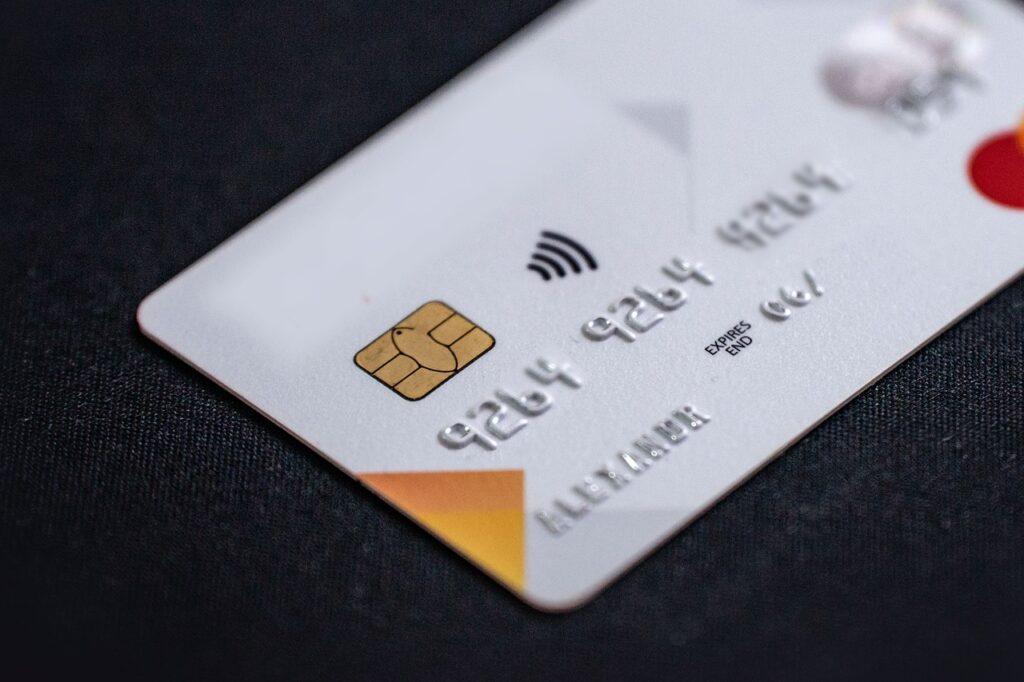
Contactless credit or debit cards are cards that have an NFC chip embedded in them, allowing users to make contactless payments by tapping the card on a payment terminal. To use a contactless card, a user simply needs to tap the card on the terminal, and the payment will be processed. A common mistake is tapping the card too many times, which can lead to multiple transactions being processed. The strengths of contactless cards include:
- Wide Acceptance: Contactless cards are widely accepted by merchants worldwide, making them a practical choice for both local and international transactions.
- Easy to Use: Contactless cards are simple to use, requiring only a tap on the payment terminal to complete a transaction.
3. Wearable Devices
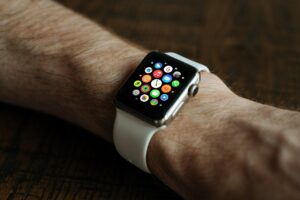
Wearable devices, such as smartwatches or fitness trackers, can be used to make contactless payments. To use a wearable device for payments, a user needs to link their credit or debit card to the device and then use it to make purchases by tapping it on a payment terminal. One common mistake is not ensuring that the wearable device is properly linked to the payment method. The strengths of wearable devices for payments include:
- Convenience: Wearable devices allow users to make payments without needing to carry a wallet or phone.
- Accessibility: Wearable devices can be especially useful for people with disabilities, providing an easy and accessible way to make payments.
4. Biometric Authentication
Biometric authentication, such as fingerprint or facial recognition, is a method of verifying a person’s identity, adding an extra layer of security to contactless payments. To use biometric authentication, a user needs to set up their biometric data, such as fingerprints, on their device, and then use it to authenticate transactions. A common mistake is not ensuring that the biometric data is properly set up and secured. The strengths of biometric authentication include:
- Enhanced Security: Biometric authentication provides an additional layer of security, making it more difficult for unauthorized individuals to access and use a device or account.
- Convenience: Biometric authentication is often faster and more convenient than traditional authentication methods, such as passwords or PINs.
5. Tokenization
Tokenization is a process that replaces sensitive payment information, such as credit card numbers, with unique tokens, enhancing the security of contactless payments. To use tokenization, a user does not need to take any action, as it is typically handled by the payment provider or bank. However, a common mistake is not understanding how tokenization works and how it protects user information. The strengths of tokenization include:
- Security: Tokenization protects sensitive payment information by replacing it with tokens, reducing the risk of data breaches and fraud.
- Convenience: Tokenization allows for seamless and secure transactions, without the need for users to manually enter their payment information.
6. NFC Technology
NFC (Near Field Communication) technology is what enables contactless payments, allowing devices to communicate with each other when they are close, typically a few centimeters apart. To use NFC technology, a user simply needs to have an NFC-enabled device and a payment terminal that supports NFC. A common mistake is not ensuring that both the device and the payment terminal are NFC-enabled. The strengths of NFC technology include:
- Convenience: NFC technology allows for fast and convenient transactions, without the need for physical contact or cash.
- Security: NFC technology is designed to be secure, using encryption and other security measures to protect transactions.
7. Mobile Payment Apps
Mobile payment apps, such as PayPal or Venmo, allow users to make contactless payments and transfer money. To use a mobile payment app, a user needs to download and install the app, add their payment information, and then use the app to make payments or transfers. A common mistake is not understanding the fees associated with using the app. The strengths of mobile payment apps include:
- Convenience: Mobile payment apps allow users to make payments and transfer money on the go, without the need for cash or physical cards.
- Accessibility: Mobile payment apps can be especially useful for people who do not have access to traditional banking services, providing an alternative way to manage finances.
| Step | What You Do | Expected Result |
|---|---|---|
| 1. Set Up Mobile Wallet | Add credit or debit card information to a mobile wallet app. | Ability to make contactless payments using the mobile device. |
| 2. Use Contactless Credit/Debit Card | Tap the contactless card on a payment terminal to make a payment. | Successful transaction and receipt of payment confirmation. |
| 3. Enable Biometric Authentication | Set up biometric data, such as fingerprints, on the device. | Enhanced security for contactless payments and device access. |
| 4. Understand Tokenization | Learn how tokenization replaces sensitive payment information with tokens. | Increased understanding of the security measures in place for contactless payments. |
| 5. Use NFC Technology | Use an NFC-enabled device and payment terminal for contactless payments. | Fast and convenient transactions without physical contact. |
| 6. Set Up Mobile Payment App | Download, install, and set up a mobile payment app. | Ability to make payments and transfer money using the app. |
| 7. Monitor Transactions | Regularly check transaction history and account balances. | Early detection of any suspicious or unauthorized transactions. |
Frequently Asked Questions
Are Contactless Payments Secure?
Contactless payments are highly secure, thanks to advanced security measures such as tokenization, encryption, and biometric authentication. These measures protect sensitive payment information and make it difficult for unauthorized individuals to access and use a device or account. For example, when using a mobile wallet, the actual credit card number is not stored on the device or shared with the merchant, reducing the risk of fraud.
How Do I Set Up a Mobile Wallet?
To set up a mobile wallet, a user needs to download and install the wallet app, add their credit or debit card information, and then set up any additional security measures, such as biometric authentication. The process is usually straightforward and can be completed in a few minutes. It’s also important to ensure that the device is compatible with the wallet app and that the user understands how to use the app to make payments.
Can I Use Contactless Payments Abroad?
Yes, contactless payments can be used abroad, as long as the merchant accepts contactless payments and the user’s device or card is compatible with the payment terminal. However, it’s always a good idea to check with the bank or payment provider before traveling to ensure that contactless payments are supported in the destination country. Additionally, users should be aware of any foreign transaction fees that may apply. merchant accepts contactless
What Happens If I Lose My Device or Card?
If a user loses their device or card, they should immediately contact their bank or payment provider to report the loss and request that the account be frozen or the card be canceled. This will help prevent any unauthorized transactions. Users should also take steps to remotely lock or erase their device, if possible, to protect their personal and payment information.
Are There Any Fees Associated with Contactless Payments?
There may be fees associated with contactless payments, depending on the payment method and provider. For example, some mobile payment apps may charge a small fee per transaction, while others may offer free transactions. It’s always a good idea to check with the payment provider or bank to understand any fees that may apply. Users should also be aware of any foreign transaction fees that may apply when making purchases abroad.
One Last Thing
Contactless payments are the future of transactions, offering convenience, security, and wide acceptance. By understanding how contactless payments work and the methods worth knowing, users can make informed decisions about their payment options and take advantage of the benefits that contactless payments offer. As the world becomes increasingly digital and cashless, embracing contactless payments can make a significant difference in how we manage our finances and make purchases. With the right knowledge and tools, users can navigate the world of contactless payments with confidence and ease.
The key to successfully adopting contactless payments is to start small and gradually become more comfortable with the technology. Users can begin by setting up a mobile wallet or using a contactless credit or debit card for small purchases, and then gradually move on to more significant transactions. By taking it one step at a time, users can build their confidence and become proficient in using contactless payments.
Ultimately, the future of payments is contactless, and by being open to this new technology, users can experience the convenience, security, and flexibility that it offers. Whether it’s for daily purchases or international transactions, contactless payments are poised to revolutionize the way we make payments, and being at the forefront of this revolution can have numerous benefits. By embracing contactless payments, users can stay ahead of the curve and enjoy the many advantages that this technology has to offer.