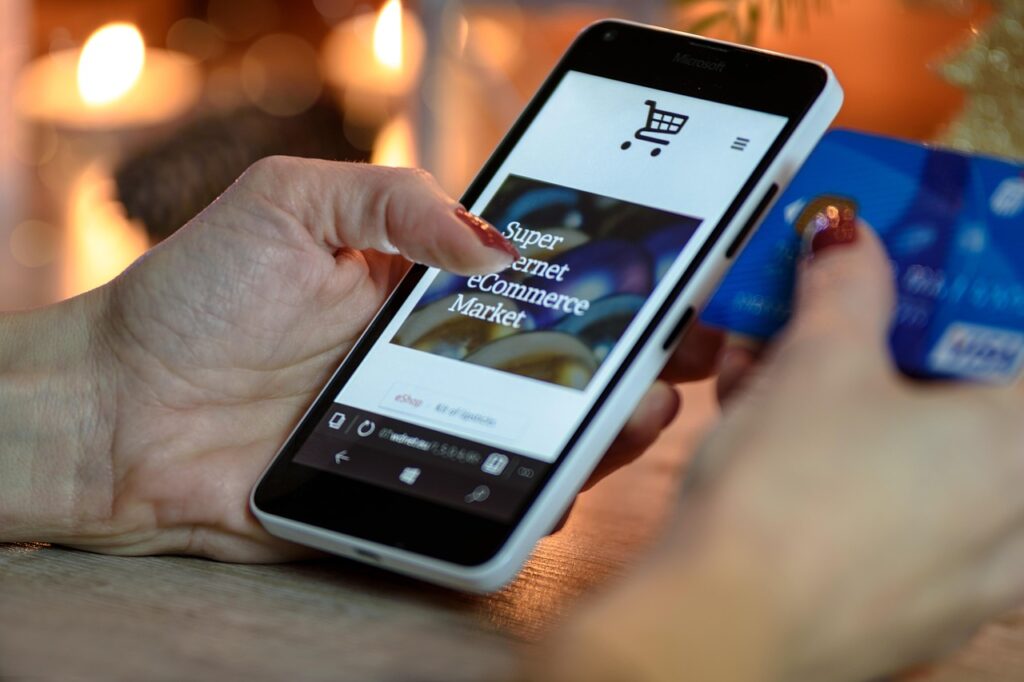

Before the rise of digital wallets, paying for coffee meant digging for cash, waiting for change, and hoping the card reader didn’t glitch. Today, a single tap on a smartphone can settle a bill instantly, track spending, and even split costs with friends—all without a physical card. Choosing the right payment app matters because it influences security, convenience, fees, and the overall financial experience. A misstep can lead to hidden charges, delayed transfers, or even compromised personal data. This guide walks through real examples of payment app reviews, compares five leading solutions, and equips readers with a clear decision framework.
📝 Article Overview
What Is a Payment App?
A payment app (short for payment application) is a software program—usually on a mobile device—that enables users to send and receive money electronically. It replaces traditional cash or card transactions with digital equivalents, often using technologies such as Near Field Communication (NFC—short‑range wireless communication that lets devices talk when they touch) or QR codes (quick‑response codes—square barcodes that store data readable by a camera). Payment apps also often provide budgeting tools, transaction histories, and integration with bank accounts. mobile devicethat enables
Before diving into specific options, readers should understand three core concepts: security (how the app protects data and funds), fees (what costs are charged for sending, receiving, or converting money), and interoperability (how well the app works with banks, merchants, and other apps). These factors shape the user experience and determine which solution fits a particular lifestyle.
| Metric | Why It Matters |
|---|---|
| Security (encryption, two‑factor authentication) | Protects personal and financial data from theft. |
| Fees (transaction, foreign‑exchange, withdrawal) | Directly impacts cost of everyday purchases. |
| Speed (instant, pending, batch) | Determines how quickly money is available to the recipient. |
| Interoperability (bank links, merchant acceptance) | Affects where and how the app can be used. |
Leading Payment App Solutions
1. PayPal
PayPal remains one of the most recognizable names in digital payments, offering a web‑based platform and mobile app that let users send money, shop online, and receive payments for goods or services.
- Advantages:
- Broad merchant acceptance worldwide.
- Strong buyer and seller protection policies.
- Integrated invoicing and business tools.
- Known Issues:
- Higher fees for instant transfers and currency conversion.
- Account freezes can occur after unusual activity.
Best for: Users who need a trusted, globally accepted platform for both personal and small‑business transactions. trusted globally accepted
2. Venmo
Venmo, owned by PayPal, targets a younger demographic with a social feed that shows who paid whom, turning money transfers into a casual, chat‑like experience.
- Advantages:
- Free peer‑to‑peer transfers from linked bank accounts.
- Instant transfer option for a small fee.
- Social features make splitting bills fun.
- Known Issues:
- Limited international usage.
- Privacy concerns if feed is public.
Best for: Friends and families who regularly split meals, rent, or event tickets.
3. Cash App
Cash App, developed by Square, combines peer‑to‑peer payments with a built‑in debit card and the ability to buy Bitcoin (cryptocurrency). Square combines peertopeer
- Advantages:
- Free direct deposits from employers.
- Cash Card provides instant access to balance.
- Simple Bitcoin buying interface.
- Known Issues:
- Customer support is primarily automated.
- Higher fees for instant withdrawals.
Best for: Users who want a multifunctional app with banking‑like features and crypto exposure.
4. Google Pay
Google Pay integrates NFC payments, online checkout, and peer‑to‑peer transfers into a single Google‑centric ecosystem, leveraging the Android operating system.
- Advantages:
- Seamless integration with Android devices and Google services.
- Supports loyalty cards and transit passes.
- No direct fees for peer‑to‑peer transfers.
- Known Issues:
- Limited features on iOS devices.
- Merchant acceptance varies by region.
Best for: Android users who want an all‑in‑one wallet that also stores tickets and loyalty cards. also stores tickets
5. Apple Pay
Apple Pay utilizes NFC technology on iPhones, iPads, and Apple Watches, allowing secure contactless payments both in stores and within apps.
- Advantages:
- Biometric authentication (Face ID/Touch ID) enhances security.
- Broad acceptance at retailers that support contactless.
- Integrated with Apple ecosystem (iCloud, Safari).
- Known Issues:
- Only available on Apple hardware.
- Peer‑to‑peer transfers rely on Apple Cash, which has limited availability.
Best for: Apple device owners seeking a frictionless, secure checkout experience.
| Option | Best For | Difficulty | Cost | Speed |
|---|---|---|---|---|
| PayPal | Global merchants & small businesses | Medium | Medium (fees for instant transfers) | Fast (instant within PayPal network) |
| Venmo | Social bill‑splitting | Easy | Low (free standard transfers) | Instant (with fee) or 1‑3 days free |
| Cash App | Crypto & direct deposit users | Easy | Low (free standard, fee for instant) | Instant (with fee) or next‑day free |
| Google Pay | Android ecosystem fans | Easy | Free (no fees for P2P) | Instant for NFC, 1‑2 days for bank transfers |
| Apple Pay | Apple device owners | Easy | Free (no fees for NFC) | Instant at supported terminals |
How to Choose the Right One
Choosing a payment app begins with assessing personal usage patterns. If most transactions are with local merchants, NFC compatibility and merchant acceptance become top priorities. For frequent peer‑to‑peer splits, look for an app with a social feed and free standard transfers. Those who receive regular payroll checks may value direct‑deposit capabilities. assessing personal usage
Next, evaluate security features. Apps that employ biometric authentication (fingerprint or facial recognition) add a layer of protection beyond passwords. End‑to‑end encryption—where data is scrambled from sender to receiver—prevents intermediaries from reading transaction details. Two‑factor authentication (a second code sent via SMS or an authenticator app) further reduces the risk of unauthorized access.
Consider fee structures. Some apps charge a flat percentage for each transaction, while others only levy fees for specific services like instant transfers or currency conversion. If cross‑border payments are common, compare foreign‑exchange rates and associated surcharges. A seemingly free app may hide costs in the fine print.
Assess integration with existing financial accounts. An app that links directly to a primary checking account eliminates the need for a separate balance, reducing friction. For users who prefer keeping app funds separate, a stored‑value balance or prepaid card may be preferable. Compatibility with bank APIs (application programming interfaces) determines how smoothly balances sync. existing financial accounts
Finally, think about future scalability. As financial needs evolve—such as adding crypto investments, business invoicing, or travel rewards—select an app that already offers or plans to support those features. Switching later can be cumbersome and may involve moving funds across platforms.
How This Affects Everyday Life
Adopting the right payment app can streamline daily purchases, turning a checkout line into a quick tap and walk away. It reduces the need to carry physical cash, which lowers the risk of loss or theft. By consolidating receipts and transaction histories, budgeting becomes clearer and financial planning more accurate.
Secure authentication methods protect personal data, giving peace of mind when shopping online or in crowded venues. Low or no fees mean that everyday expenses—like a coffee or a ride‑share—don’t secretly erode a budget through hidden charges. Instant transfer capabilities enable rapid bill splitting, preventing awkward delays after group outings.
For freelancers or small business owners, integrated invoicing tools turn a simple payment app into a lightweight accounting solution, cutting down on administrative overhead. Travel becomes smoother when an app works internationally without requiring multiple currency exchanges or separate cards. Finally, having a trusted digital wallet encourages more frequent use of contactless payments, which can speed up commerce and reduce physical contact—a benefit highlighted during health‑sensitive periods.
The Bottom Line
Evaluating payment apps hinges on security, fees, speed, and ecosystem compatibility. Real‑world reviews show that PayPal excels in global commerce, Venmo shines for social splits, Cash App adds crypto flair, Google Pay integrates tightly with Android, and Apple Pay offers seamless Apple‑device experiences. By matching these strengths to individual needs, users can select a solution that simplifies transactions, safeguards money, and fits comfortably into daily life.