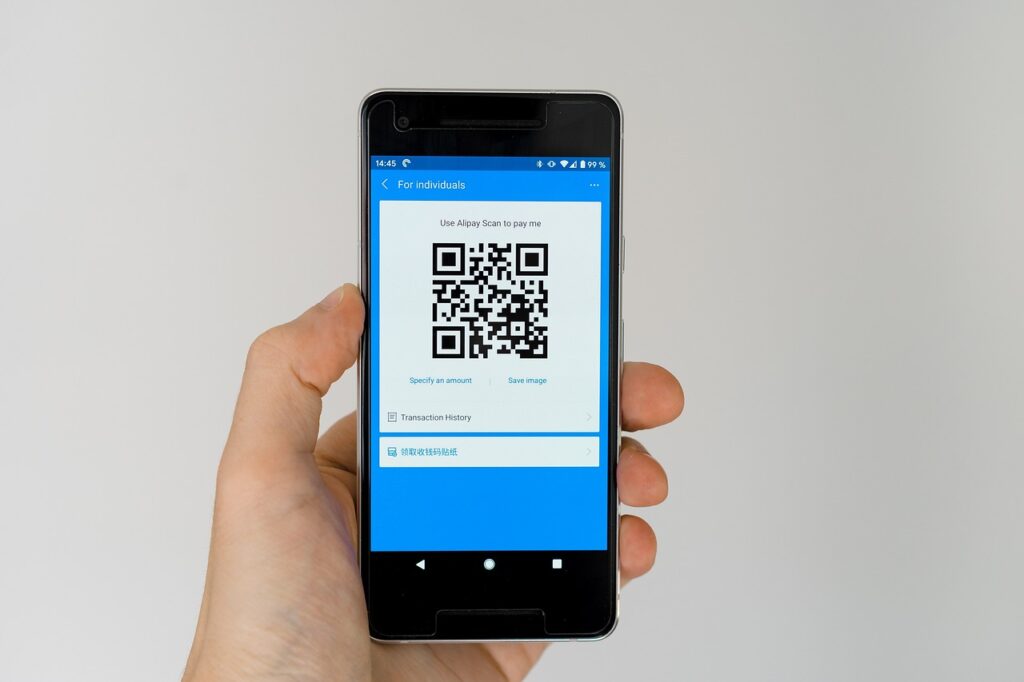

Many people assume that any banking app will simply let them check balances and transfer money, but the reality is far more nuanced. Selecting the right mobile banking solution can affect financial security, budgeting efficiency, and even how quickly emergencies are handled. A poor choice may lead to hidden fees, security vulnerabilities, or a clunky user experience that wastes valuable time. Here’s the key thing to understand: the best banking app aligns with personal financial habits, desired features, and comfort with technology. The stakes are high because the app becomes the primary interface for managing money in an increasingly digital world.
📝 In This Post
What Does Banking App Reviews Mean?
Before diving into individual app comparisons, it is essential to grasp what a banking app review actually evaluates. Reviews go beyond superficial ratings; they examine security protocols, user interface design, feature completeness, integration with other financial tools, and customer support quality. Most people miss this: the difference between a five-star rating and a truly reliable, feature‑rich app often lies in the detailed criteria that reviewers use.
Understanding these criteria empowers readers to interpret scores correctly and to prioritize the aspects that matter most to them. For instance, a tech‑savvy user may value advanced budgeting analytics, while a frequent traveler might prioritize low‑cost international transaction support. By clarifying the metrics, this guide ensures that readers can translate review numbers into practical, personal benefits. Understanding these criteria
| Metric | Why It Matters |
|---|---|
| Security (encryption, MFA) | Protects personal and financial data from breaches. |
| Feature Set (budgeting, bill pay) | Determines how many financial tasks can be handled in‑app. |
| User Experience (UI, speed) | Impacts daily usability and time saved. |
| Cost (fees, premium tiers) | Affects overall financial efficiency. |
Latest Banking App Technologies
1. FinGuard Mobile Banking
FinGuard offers a robust security‑first approach, incorporating biometric authentication and real‑time fraud alerts. The interface is clean, with customizable widgets for quick access to favorite accounts.
- Key Benefits:
- Advanced multi‑factor authentication.
- Instant transaction monitoring with AI‑driven alerts.
- Integrated budgeting tools with visual spend analysis.
- What Needs Work:
- Premium features require a monthly subscription.
- Limited integration with third‑party investment platforms.
Best for: Users who prioritize security above all else.
2. QuickPay Banking Suite
QuickPay focuses on speed, delivering near‑instant transfers and a streamlined UI that reduces the number of taps needed for common actions. It supports a wide range of domestic and international currencies.
- Key Benefits:
- Lightning‑fast peer‑to‑peer transfers.
- Low‑cost currency conversion.
- Simple, intuitive navigation.
- What Needs Work:
- Budgeting features are basic.
- Customer support response times can be slow during peak periods.
Best for: Users who need rapid transactions and a minimalist design. need rapid transactions
3. BudgetBuddy Banking App
BudgetBuddy turns everyday banking into a personal finance coaching experience. It automatically categorizes expenses and provides actionable insights to improve saving habits.
- Key Benefits:
- Automated expense categorization.
- Goal‑setting and progress tracking.
- Educational tips based on spending patterns.
- What Needs Work:
- Security features are solid but not as extensive as FinGuard.
- Transfer speeds are average, not instant.
Best for: Users focused on budgeting and financial education.
4. GlobalBank Mobile Pro
GlobalBank caters to frequent travelers and expatriates, offering seamless cross‑border payments, multi‑currency wallets, and localized support in several languages.
- Key Benefits:
- Multi‑currency accounts with real‑time exchange rates.
- Fee‑free ATM withdrawals in select countries.
- 24/7 multilingual customer service.
- What Needs Work:
- Interface can feel cluttered for users who only need basic banking.
- Higher fees for premium features.
Best for: International travelers and digital nomads. International travelers
5. EcoBank Community App
EcoBank blends traditional banking with social features, allowing users to create savings circles, donate to green causes, and share financial milestones with friends.
- Key Benefits:
- Community savings groups (“circulars”).
- Integrated charitable donation platform.
- Eco‑focused rewards and cashback.
- What Needs Work:
- Security layers are adequate but lack biometric options on older devices.
- Limited advanced analytics compared to BudgetBuddy.
Best for: Users who value community and sustainability features.
| Option | Best For | Difficulty | Cost | Speed |
|---|---|---|---|---|
| FinGuard Mobile Banking | Security‑focused users | Medium | Free tier, premium $9.99/mo | Fast |
| QuickPay Banking Suite | Speed‑oriented users | Low | Free | Very Fast |
| BudgetBuddy Banking App | Budget‑savvy users | Medium | Free, premium $5/mo | Average |
| GlobalBank Mobile Pro | International travelers | High | Free tier, premium $12/mo | Fast |
| EcoBank Community App | Community‑oriented users | Low | Free, optional donations | Average |
How to Choose the Right One
First, identify the primary purpose of the banking app. If the main goal is safeguarding assets, security features become the top decision factor. If daily transactions dominate, then speed and ease of use should lead the evaluation.
Second, consider the feature set that aligns with personal financial habits. Users who track expenses meticulously will benefit from automated categorization and budgeting insights, whereas those who primarily send money abroad need multi‑currency support and low conversion fees. personal financial habits
Third, evaluate the cost structure. Some apps appear free but charge for premium analytics or faster transfers. Calculate the total cost of ownership over a year, including any hidden fees, to ensure the app does not erode savings.
Fourth, assess the support ecosystem. Reliable customer service, especially for issues like frozen accounts or disputed transactions, can be a lifesaver. Check whether support is available 24/7, the channels offered (chat, phone, email), and the typical response time.
Finally, test the app’s user experience. Most providers offer a demo or limited‑function trial. Spend at least 15 minutes navigating the dashboard, setting up a payment, and exploring settings. A smooth experience reduces friction and encourages consistent use.
What This Means in Practice
Choosing a well‑reviewed banking app can dramatically improve financial confidence. With strong security, users feel safe performing transactions at any hour, reducing anxiety about fraud. dramatically improve financial
A feature‑rich app consolidates multiple financial tasks—budgeting, bill pay, and investment tracking—into a single interface, saving time that would otherwise be spent juggling separate platforms.
When speed is prioritized, urgent payments, such as emergency medical bills, can be completed instantly, preventing costly delays.
Transparent cost structures ensure that users keep more of their money, as hidden fees are avoided and premium features are only paid for when truly needed.
Robust customer support provides a safety net, turning potentially stressful situations into quickly resolved issues, which preserves trust in the financial institution. Robust customer support
Finally, an app that aligns with personal values—such as EcoBank’s sustainability focus—creates a sense of purpose beyond mere transactions, enhancing overall satisfaction with the banking experience.
One Last Thing
In summary, the optimal banking app balances security, speed, features, and cost according to individual priorities. By applying the decision framework outlined above, readers can confidently select an app that empowers their financial life. The right choice turns everyday banking into a seamless, secure, and rewarding experience.