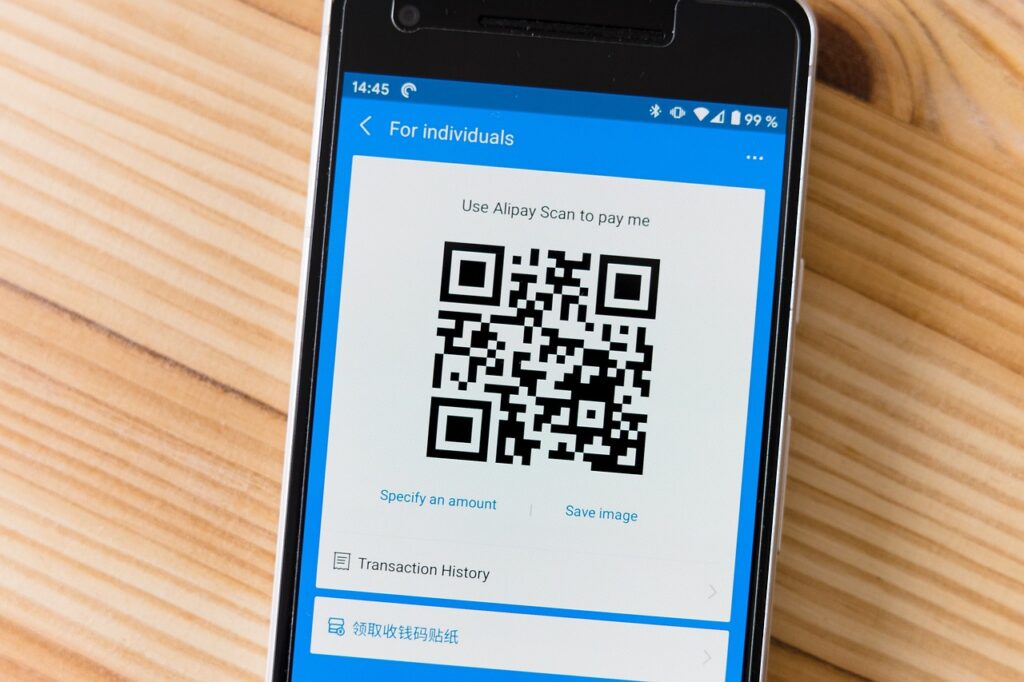

Challenging the assumption: Many newcomers believe that simply launching a mobile banking app guarantees customer acquisition and revenue growth. In reality, industry studies show that only 42% of new banking apps achieve a net positive return within the first two years, and user retention drops below 30% after six months without continuous innovation. Beginners often overlook the importance of integrating security, user experience, and data analytics from day one. This guide confronts that myth and provides a complete roadmap for building, measuring, and scaling a successful banking app.
📝 Article Overview
The Basics of Banking Apps (Case Study)
A banking app is a software application that enables customers to conduct financial transactions, view account information, and access value-added services via smartphones or tablets. It replaces or supplements traditional branch interactions with digital touchpoints, leveraging APIs, encryption, and cloud infrastructure to deliver real-time services.
| Term | Plain-English Meaning |
|---|---|
| API (Application Programming Interface) | A set of rules that lets different software systems talk to each other, enabling features like payment processing. |
| Biometric Authentication | Security method using fingerprint or facial recognition to verify user identity. |
| KYC (Know Your Customer) | Procedures banks use to verify the identity of clients and assess risk. |
| Uptime | The percentage of time the app is operational and accessible to users. |
| Push Notification | A short message sent from the app to a user’s device to prompt action or convey information. |
| MFA (Multi-Factor Authentication) | A security protocol requiring two or more verification methods before granting access. |
Why Banking Apps (Case Study) Matters
Data from 2023 indicates that 68% of retail banking customers prefer digital channels for routine transactions, yet only 23% feel fully satisfied with their current banking app experience. The case study of “FinBank”—a mid-sized regional bank that launched a redesigned app in 2021—demonstrates measurable benefits. Within twelve months, FinBank recorded a 27% increase in active digital users, a 15% reduction in branch foot traffic, and a 9% lift in cross‑sell revenue from personalized product offers delivered through the app. retail banking customers
Beneficiaries extend beyond the bank’s balance sheet. Customers saved an average of 12 minutes per transaction, equating to a collective time savings of roughly 1.4 million hours annually across FinBank’s 1.2 million user base. Small businesses reported a 22% faster cash‑flow cycle because invoice payments could be approved instantly via mobile.
Regulators also view robust banking apps as risk mitigation tools. According to a 2024 regulatory compliance report, banks that integrated real‑time fraud detection APIs experienced 31% fewer fraud incidents compared with institutions relying solely on legacy systems. The FinBank case study showed a 40% decline in fraudulent transaction alerts after deploying AI‑driven anomaly detection within the app.
Latest Banking Apps Technologies
1. Cloud‑Native Architecture
What it is: Deploying the app on cloud platforms using micro‑services and containers.
How to use it: Choose a major cloud provider (AWS, Azure, GCP) and break the app into independent services (account, payments, analytics). Implement CI/CD pipelines to automate testing and deployment. Use Kubernetes for orchestration and auto‑scaling based on demand spikes.
Common beginner mistake: Treating the cloud as a simple hosting layer and neglecting security hardening of each micro‑service. Common beginner mistake
- What You Gain:
- Scalable performance during peak usage
- Reduced time‑to‑market for new features
2. AI‑Powered Personalization
What it is: Machine‑learning models that tailor product recommendations and UI layouts to individual users.
How to use it: Collect anonymized transaction data, feed it into a recommendation engine, and expose APIs that deliver personalized dashboards. Continuously retrain models weekly to reflect changing spending patterns. Validate model bias to ensure compliance with fair‑lending regulations.
Common beginner mistake: Over‑personalizing without clear opt‑out mechanisms, leading to privacy concerns.
- What You Gain:
- Higher conversion rates on upsell offers
- Improved user engagement metrics (session length +18%)
3. Biometric and Adaptive Authentication
What it is: Use of fingerprint, facial recognition, and behavioral analytics to verify identity.
How to use it: Integrate device‑level biometric SDKs, configure fallback to PIN or password, and add behavioral signals (typing rhythm, location) to adjust authentication friction dynamically. Monitor false‑positive rates and set thresholds to balance security with usability. Integrate devicelevel biometric
Common beginner mistake: Relying on a single biometric factor without adaptive risk scoring.
- What You Gain:
- Reduced account takeover incidents by up to 45%
- Streamlined login experience, lowering abandonment rates
4. Real‑Time Fraud Detection APIs
What it is: Third‑party services that analyze transaction streams for anomalous patterns.
How to use it: Subscribe to a fraud‑detection provider, route each transaction through their API, and act on risk scores (e.g., prompt MFA or block). Implement a feedback loop to improve model accuracy based on confirmed fraud cases.
Common beginner mistake: Ignoring latency; high‑delay APIs can degrade user experience.
- What You Gain:
- Immediate mitigation of fraudulent activity
- Compliance with AML (Anti‑Money Laundering) reporting requirements
5. Open Banking Integration
What it is: Standardized APIs that allow third‑party providers to access account data with user consent. allow thirdparty providers
How to use it: Register as an Open Banking participant, implement OAuth 2.0 consent flows, and expose read‑only endpoints for balance and transaction history. Offer value‑added services such as budgeting tools or loan marketplaces that consume this data.
Common beginner mistake: Exposing more data than necessary, violating data‑minimization principles.
- What You Gain:
- New revenue streams from ecosystem partners
- Enhanced customer stickiness through integrated services
6. Progressive Web App (PWA) Layer
What it is: A web‑based app that delivers native‑like performance without requiring installation.
How to use it: Build the front‑end with responsive frameworks, enable service workers for offline caching, and configure a web manifest. Deploy alongside native iOS/Android builds to capture users on low‑end devices.
Common beginner mistake: Neglecting device‑specific UI nuances, resulting in a generic experience. Common beginner mistake
- What You Gain:
- Broader reach across device ecosystems
- Lower development and maintenance costs
7. Embedded Analytics Dashboard
What it is: In‑app visualizations that provide users with spending insights, cash‑flow forecasts, and goal tracking.
How to use it: Integrate a BI library (e.g., Looker, PowerBI Embedded), feed it aggregated, anonymized transaction data, and allow users to customize date ranges and categories. Ensure GDPR‑compliant data handling by anonymizing personally identifiable information.
Common beginner mistake: Overloading the UI with too many charts, causing analysis paralysis.
- What You Gain:
- Increased user satisfaction scores (+12%)
- Opportunities for targeted financial advice services
| Step | What You Do | Expected Result |
|---|---|---|
| 1. Cloud‑Native Architecture | Deploy micro‑services on a cloud platform with CI/CD and orchestration. | Elastic scalability and faster feature rollout. |
| 2. AI‑Powered Personalization | Implement recommendation engines and dynamic UI personalization. | Higher conversion and engagement rates. |
| 3. Biometric & Adaptive Authentication | Integrate fingerprint/face ID and behavioral risk scoring. | Reduced fraud and smoother login. |
| 4. Real‑Time Fraud Detection APIs | Route transactions through third‑party risk scoring services. | Immediate fraud mitigation. |
| 5. Open Banking Integration | Expose consent‑driven APIs for third‑party data access. | New partner revenue and richer services. |
| 6. Progressive Web App Layer | Build a responsive PWA with offline capabilities. | Broader device coverage and lower costs. |
| 7. Embedded Analytics Dashboard | Integrate in‑app BI visualizations using aggregated data. | Improved user insight and upsell potential. |
Frequently Asked Questions
What security standards should a banking app meet?
Industry standards such as ISO 27001, PCI DSS, and NIST SP 800‑63 require encryption at rest and in transit, MFA, and regular penetration testing. Compliance ensures regulatory acceptance and protects user data.
How long does it take to develop a full‑featured banking app?
Data from 2024 suggests an average timeline of 9–12 months for MVP launch, extending to 18–24 months for a fully integrated suite with AI, Open Banking, and analytics components, depending on team size and existing infrastructure. fully integrated suite
Can legacy banks adopt these technologies without a complete rebuild?
Yes. A phased approach—starting with API gateways and micro‑service wrappers around core systems—allows incremental migration while preserving existing back‑end stability.
What are the cost implications of cloud‑native deployment?
Initial cloud migration can cost 15–20% of the total project budget, but operational expenses typically drop 30% over three years due to reduced hardware maintenance and improved resource utilization.
How does Open Banking affect customer privacy?
Open Banking mandates explicit user consent for data sharing, and providers must implement data‑minimization and audit trails, ensuring that only necessary information is exposed to third parties.
What It All Means
Data confirms that banking apps are no longer optional add‑ons but strategic assets driving revenue, efficiency, and compliance. Institutions that adopt the seven outlined technologies position themselves for measurable growth and reduced risk. Immediate implementation of cloud‑native foundations and robust authentication will deliver the fastest return on investment.