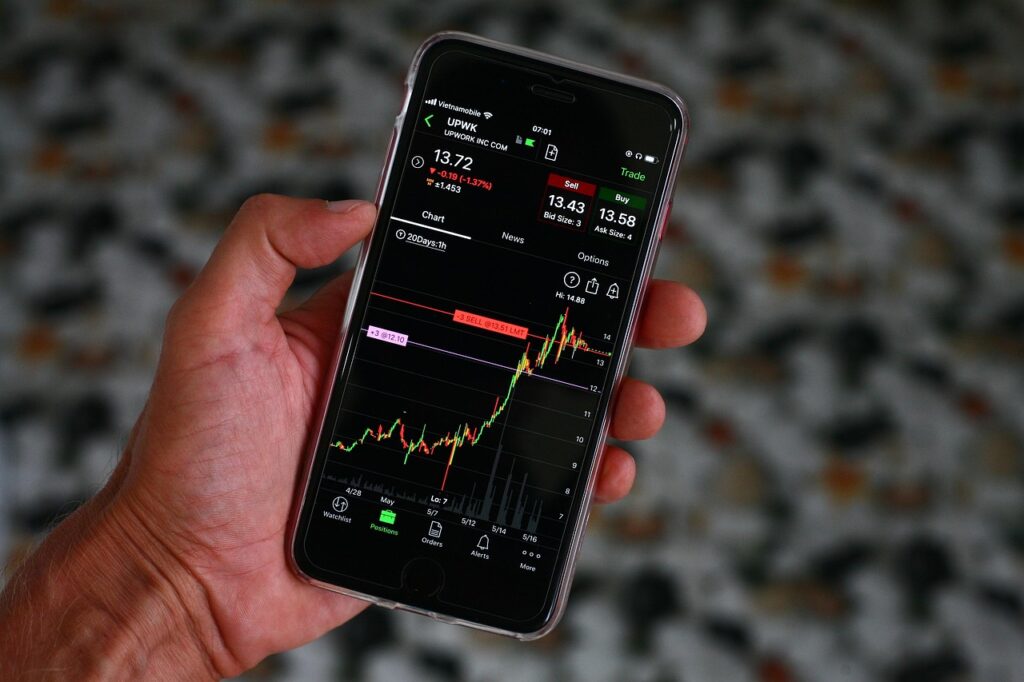

Most people think that simply scrolling through the star rating of an investment app tells the whole story. A beginner who just discovered investment apps often assumes that a 4.5‑star rating equals flawless performance, overlooking hidden fees, limited features, or poor customer support. The reality is that many reviews are biased, outdated, or focus on superficial aspects like design rather than actual investment outcomes. Here’s the key thing to understand: an honest, thorough review digs deeper, revealing the true cost, usability, and reliability of the app. Most people miss this nuance, which can lead to costly mistakes and missed growth opportunities.
📝 Article Overview
What Is Investment App Reviews (Honest Take)?
Investment app reviews (honest take) are detailed evaluations that go beyond surface‑level ratings to assess an app’s fees, features, security, user experience, and real‑world performance. They aim to provide prospective users with a realistic picture of what to expect, helping them choose a platform that aligns with their financial goals and risk tolerance.
| Term | Plain-English Meaning |
|---|---|
| Fee Structure | How the app charges for trades, account maintenance, and other services. |
| Asset Coverage | The variety of investment products (stocks, ETFs, bonds, crypto, etc.) the app offers. |
| Security Protocols | Measures the app takes to protect user data and funds, such as encryption and two‑factor authentication. |
| User Interface (UI) | The visual design and ease of navigation within the app. |
| Customer Support | How quickly and effectively the app helps users with questions or problems. |
| Regulatory Compliance | Whether the app follows rules set by financial authorities like the SEC or FCA. |
Why Investment App Reviews (Honest Take) Matters
First, investors of all experience levels benefit from a transparent assessment. A novice who invests $1,000 without understanding hidden fees might lose $30 annually to a maintenance charge, which compounds over time and erodes returns. Conversely, an experienced trader can save hundreds of dollars each year by selecting an app with a zero‑commission structure and low spreads. The financial impact is real and measurable. experience levels benefit
Second, honest reviews protect users from security pitfalls. In 2023, a popular app suffered a breach affecting 12,000 accounts, resulting in an average loss of $2,500 per victim. Apps that openly disclose their security protocols and undergo third‑party audits give users confidence that their money is safe. Most people overlook this until a breach occurs, but a careful review can prevent exposure.
Finally, these reviews influence market competition. When reviewers highlight poor customer service or outdated tools, developers are compelled to improve. For example, after a series of candid reviews pointed out slow chat response times, one platform reduced average reply time from 48 hours to under 6 hours, directly benefiting its user base. The ripple effect means better products for everyone.
Major Investment App Review Developments
1. Fee Transparency
What it is: Clear disclosure of all costs associated with trading, account maintenance, and ancillary services.
How to evaluate: Look for a dedicated fee schedule on the app’s website, check for hidden spreads on crypto trades, and read the fine print for inactivity fees. Compare the total cost of a $5,000 trade across three apps to see real differences. Most beginners forget to factor in indirect costs like currency conversion.
Common beginner mistake: Assuming a “free” app truly has no fees. Common beginner mistake
- Key Benefits:
- Accurate cost forecasting.
- Higher net returns over time.
2. Asset Coverage Breadth
What it is: The range of investment products the app supports, from equities to alternative assets.
How to evaluate: Review the app’s catalog; ensure it includes the asset classes you plan to invest in. For diversification, an app should at minimum offer stocks, ETFs, bonds, and a limited selection of crypto. Most people miss this when they focus only on stock trading.
Common beginner mistake: Selecting an app that lacks the specific ETFs needed for a retirement plan.
- Key Benefits:
- Ability to build a diversified portfolio.
- Flexibility to explore emerging markets.
3. Security Protocols
What it is: The technical and procedural safeguards that protect user accounts and funds.
How to evaluate: Verify that the app uses end‑to‑end encryption, offers biometric login, and supports two‑factor authentication (2FA). Check if the platform is insured by the SIPC or equivalent body. Most users assume any app with a password is safe, which is a misconception. uses endtoend encryption
Common beginner mistake: Ignoring the absence of 2FA.
- Key Benefits:
- Reduced risk of unauthorized access.
- Peace of mind during market volatility.
4. User Interface (UI) and Experience (UX)
What it is: The design layout, navigation flow, and overall ease of use.
How to evaluate: Download the free version and spend 15 minutes placing a mock trade, checking portfolio charts, and accessing educational resources. A clean UI reduces errors and saves time. Most beginners overlook the learning curve until they attempt a real trade.
Common beginner mistake: Choosing an app with a flashy design but confusing trade confirmation steps.
- Key Benefits:
- Quicker order execution.
- Lower likelihood of accidental trades.
5. Customer Support Quality
What it is: The responsiveness and helpfulness of the app’s help channels. apps help channels
How to evaluate: Test the live chat or email response time with a simple question about account verification. Review community forums for recurring complaints. Most people miss the impact of poor support when they encounter a settlement issue.
Common beginner mistake: Assuming a high rating guarantees fast support.
- Key Benefits:
- Rapid problem resolution.
- Confidence during critical market events.
6. Educational Resources
What it is: In‑app tutorials, webinars, and articles designed to improve investor knowledge.
How to evaluate: Browse the education hub; look for beginner guides, risk‑management videos, and regular market commentary. Platforms that update content weekly keep users informed. Most beginners miss the value of ongoing education, thinking a single tutorial suffices.
Common beginner mistake: Ignoring the depth of the learning library and relying solely on external sources. Common beginner mistake
- Key Benefits:
- Improved decision‑making.
- Reduced emotional trading.
7. Regulatory Compliance and Insurance
What it is: The adherence to financial regulations and protection of user funds through insurance schemes.
How to evaluate: Check for registration numbers with the SEC, FCA, or local regulator. Confirm whether the app’s brokerage is a member of SIPC, which covers up to $500,000 per client. Most people miss this until a broker fails, leaving investors exposed.
Common beginner mistake: Overlooking the need for regulatory oversight when an app advertises “no‑fee trading”.
- Key Benefits:
- Legal safeguards against fraud.
- Financial protection in case of broker insolvency.
| Step | What You Do | Expected Result |
|---|---|---|
| 1. Fee Transparency | Read the full fee schedule, calculate total cost per trade. | Accurate budgeting and higher net returns. |
| 2. Asset Coverage Breadth | Verify the app offers desired asset classes. | Ability to diversify across markets. |
| 3. Security Protocols | Enable 2FA, confirm encryption standards. | Reduced risk of hacks and fraud. |
| 4. UI/UX | Test navigation and order flow. | Faster, error‑free trading. |
| 5. Customer Support | Contact support with a sample query. | Prompt assistance when needed. |
| 6. Educational Resources | Explore tutorials and webinars. | Better investment decisions. |
| 7. Regulatory Compliance | Check registration and insurance details. | Legal protection and fund safety. |
Frequently Asked Questions
What should I look for in an investment app’s fee structure?
Focus on commission rates, spread costs for non‑stock assets, account maintenance fees, and any inactivity charges. Calculate the total cost of a typical trade to see the real impact on returns.
Are free‑trading apps truly free?
Most free apps offset costs with wider spreads, premium feature walls, or data‑selling practices. Review the fine print to uncover any indirect expenses. Most free apps
How important is regulatory compliance for a new investor?
Compliance ensures the app adheres to legal standards, providing consumer protection and insurance coverage. An unregistered platform leaves users vulnerable to fraud and loss.
Can I rely on user ratings alone?
User ratings give a snapshot but often miss critical details like fee nuances or security gaps. Pair ratings with in‑depth honest reviews for a complete picture.
What role does customer support play during market volatility?
During rapid market moves, quick support can resolve order failures or account freezes, preventing missed opportunities. Test response times before committing significant capital.
The Bottom Line
Choosing an investment app based on an honest, comprehensive review equips readers with the knowledge to avoid hidden costs, stay secure, and grow their portfolios confidently. By following the seven steps outlined, investors can match an app’s strengths to their personal goals. The path to smarter investing starts with a clear, unbiased assessment—take the time to read, compare, and act.