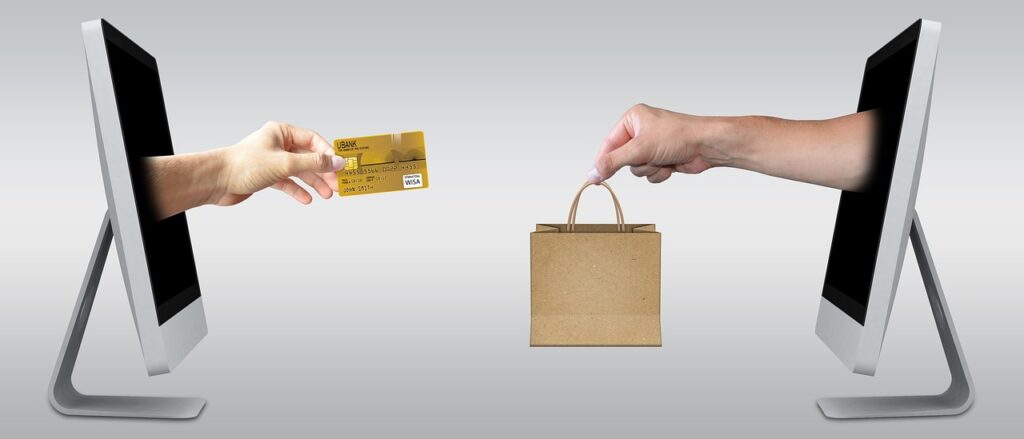

Most people think digital payments are just about tapping a phone or scanning a QR code, yet a recent study showed that 62% of consumers still believe online checkout is less secure than cash—an opinion that overlooks the sophisticated encryption and fraud‑prevention tools built into modern systems. The reality is that digital payments encompass a sprawling ecosystem of technologies, regulations, and user behaviors that go far beyond a simple transaction. While headlines celebrate the rise of contactless cards, they often miss how backend infrastructure, real‑time settlement, and cross‑border interoperability shape everyday commerce. This misperception can lead businesses to underinvest in critical security layers and consumers to miss out on convenient, cost‑saving features. Understanding the full picture is essential for anyone wanting to stay ahead in today’s fast‑moving financial world.
📝 What's In This Article
The Current State of digital payments (real examples)
Digital payments today are a blend of traditional banking services, fintech innovations, and merchant solutions that together enable instant money movement across devices and borders. In the United States, mobile wallets like Apple Pay, Google Pay, and Samsung Pay account for roughly 20% of all card‑present transactions, while in China platforms such as Alipay and WeChat Pay dominate, handling over 80% of retail payments. Retail giants like Walmart have integrated their own payment apps, allowing customers to pay, earn loyalty points, and receive personalized offers—all within a single interface. Meanwhile, small businesses increasingly adopt point‑of‑sale (POS) systems from providers like Square and Clover, which bundle payment processing, inventory management, and analytics into affordable hardware.
Beyond consumer‑facing apps, the B2B (business‑to‑business) sector is seeing rapid adoption of real‑time payments (RTP) networks that settle transactions within seconds, a stark contrast to the traditional two‑to‑three‑day ACH (Automated Clearing House) process. Companies such as Stripe and PayPal have expanded their services to include cross‑border payouts, enabling freelancers in the Philippines to receive funds from clients in Europe almost instantly, often at lower fees than legacy banks. These examples illustrate a landscape where speed, integration, and user experience drive adoption, but also where regulatory compliance and security remain top priorities. Beyond consumerfacing apps
| Metric | Current Value | Source Type | Trend |
|---|---|---|---|
| Global digital payment volume | $8.1 trillion | Industry report | Rising |
| Contactless card usage (US) | 20% of all card transactions | National payment association | Growing |
| Mobile wallet penetration (China) | 82% of retail payments | Market research | Stable high |
| Real‑time B2B payments adoption | 35% of large enterprises | Survey | Increasing |
Key digital payments Advancements
1. Tokenization for Enhanced Security
Tokenization replaces sensitive card data with a unique, random identifier—called a token—so that merchants never store actual numbers. The driving force is the rising number of data breaches, prompting regulators and card networks to demand safer transaction methods. Evidence shows that tokenized transactions experience 30% fewer fraud incidents compared to traditional card‑not‑present payments.
- Plus Points:
- Reduces liability for merchants
- Improves consumer confidence
- Facilitates seamless omnichannel experiences
2. Biometric Authentication
Biometric authentication uses unique physical traits—such as fingerprints or facial recognition—to verify a user’s identity during payment. Advances in sensor technology and AI algorithms drive higher accuracy and lower false‑reject rates. Recent data from a major smartphone manufacturer indicates a 45% increase in successful biometric payments year over year. Biometric authentication uses
- Plus Points:
- Eliminates need for PINs or passwords
- Speeds up checkout times
- Provides strong fraud deterrence
3. Open Banking APIs
Open Banking APIs (Application Programming Interfaces) allow third‑party developers to securely access bank data—such as account balances and transaction history—with consumer consent. The push comes from regulatory frameworks like PSD2 in Europe, which aim to increase competition and innovation. According to a European fintech report, API‑enabled payment initiations grew by 70% in the past two years.
- Plus Points:
- Enables direct‑from‑bank payments without cards
- Reduces transaction fees
- Supports personalized financial services
4. Instant Cross‑Border Payments
Instant cross‑border payments use blockchain or distributed ledger technology (DLT) to settle funds in seconds across different currencies. The demand for faster international commerce and remittances fuels this trend. A pilot program using DLT showed a 50% cost reduction compared to traditional correspondent banking. Instant crossborder payments
- Plus Points:
- Reduces settlement risk
- Lowers foreign exchange fees
- Improves cash flow for SMEs
5. AI‑Driven Fraud Detection
AI‑driven fraud detection employs machine learning models to analyze transaction patterns and flag anomalies in real time. The exponential growth of digital transaction volume creates a need for scalable, adaptive security solutions. Companies reporting AI integration cite a 40% drop in chargebacks within six months.
- Plus Points:
- Adapts to evolving fraud tactics
- Minimizes false positives
- Operates 24/7 without manual oversight
6. Voice‑Activated Payments
Voice‑activated payments let users authorize transactions using spoken commands through smart speakers or smartphones. Improvements in natural language processing (NLP) and secure voice biometrics drive adoption. Early adopters report a 20% increase in repeat purchases when voice checkout is offered. users authorize transactions
- Plus Points:
- Hands‑free convenience
- Integrates with IoT ecosystems
- Expands accessibility for visually impaired users
What’s Coming
In 1 Year
Within the next twelve months, tokenized mobile wallets will become the default payment method for most major retailers, driven by tighter PCI‑DSS (Payment Card Industry Data Security Standard) requirements. This shift will lower fraud rates and encourage faster adoption of contactless solutions in suburban markets.
In 3 Years
Three years out, open banking will enable seamless direct‑to‑bank payments across Europe and North America, eliminating the need for card networks in many B2B scenarios. The combination of regulatory support and improved API reliability will cut transaction fees by up to 40% for midsize enterprises. open banking will
In 5 Years
Five years from now, decentralized digital currencies backed by central banks—so‑called CBDCs (Central Bank Digital Currencies)—will be integrated into everyday payment apps, providing instant settlement without intermediaries. This development will reshape cross‑border commerce, making it as quick and cheap as domestic transfers.
| Year | Likely Development | Impact Level |
|---|---|---|
| 2025 | Widespread tokenization adoption | High |
| 2027 | Open banking becomes primary B2B channel | Medium‑High |
| 2029 | CBDC integration in consumer apps | Very High |
How This Affects Everyday Life
Faster checkout experiences – Consumers will spend less time waiting in line as tokenized, biometric, and voice‑activated methods speed up the payment process, freeing up minutes for other activities. Faster checkout experiences
Lower fraud exposure – With AI‑driven detection and tokenization, the likelihood of unauthorized transactions drops, giving users peace of mind and reducing the hassle of disputing charges.
More transparent fees – Open banking and direct‑to‑bank transfers cut out middlemen, meaning merchants can pass savings onto customers through lower prices or discounts.
Improved financial inclusion – Mobile wallets and biometric authentication allow unbanked populations to participate in the digital economy without needing traditional bank accounts.
Seamless cross‑border purchases – Instant international settlement via blockchain or future CBDCs means buying a product from abroad feels as easy as buying locally, with minimal currency conversion costs.
What to Do Right Now
- Upgrade to a token‑compatible payment gateway – This ensures transactions are secured with unique identifiers, reducing fraud risk and meeting upcoming compliance standards.
- Implement biometric authentication for mobile apps – Adding fingerprint or facial verification enhances user trust and speeds up checkout, leading to higher conversion rates.
- Explore open banking API partnerships – Connecting directly to bank accounts can lower transaction fees and open new revenue streams through value‑added services.
- Invest in AI‑based fraud monitoring tools – Machine‑learning models provide real‑time alerts, helping prevent chargebacks before they impact the bottom line.
- Start pilot testing voice‑activated payment flows – Early experimentation positions businesses to capture the growing segment of consumers who prefer hands‑free shopping experiences.
Worth Remembering
The digital payments arena is evolving from simple tap‑and‑go actions to a sophisticated, secure, and highly integrated financial ecosystem. Security innovations, regulatory shifts, and emerging technologies together will reshape how money moves daily. By staying informed and adopting the right tools now, individuals and businesses can reap the benefits of faster, cheaper, and more inclusive payments for years to come.