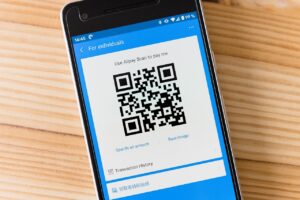

Contactless payments are changing the way we shop and pay for services. From tapping a card or phone on a terminal to using wearables like smartwatches, the transaction process has become faster and more convenient. Major retailers like Walmart and Target have seen significant increases in contactless transactions, with some stores reporting up to a 20% rise in tap-to-pay purchases. The technology is also being adopted by public transportation systems worldwide, such as the New York City Subway, which has integrated contactless payment options into its turnstiles. According to a study by Mastercard, over 50% of consumers prefer using contactless payments due to their speed and ease of use. Additionally, contactless transactions have been shown to reduce wait times in lines by up to 30 seconds per customer. As the world becomes increasingly digital, contactless payments are at the forefront of this shift.
📝 Article Overview
What Does Contactless Payment Mean?
Contactless payment refers to a transaction method where a customer can pay for goods or services without physically handing over their card or cash. This technology uses near-field communication (NFC) or radio-frequency identification (RFID) to enable devices to communicate when they are close to each other. For instance, when a consumer taps their contactless-enabled card or device on a payment terminal, the terminal reads the card details and processes the payment. Companies like Visa and Mastercard have been instrumental in developing and promoting contactless payment technologies, with Visa Contactless and Mastercard Contactless being two of the most widely used systems. In terms of security, contactless payments use the same level of encryption as traditional card transactions, making them a safe and secure way to pay.
The context of contactless payments is closely tied to the evolution of digital payment systems. As more consumers turn to digital wallets like Apple Pay, Google Pay, and Samsung Pay, the demand for convenient, touchless payment options has grown. A comparison of different contactless payment methods can be seen in the table below:
| Method | Technology Used | Security Features | Examples |
|---|---|---|---|
| Card Tapping | NFC | Encryption, Tokenization | Visa Contactless, Mastercard Contactless |
| Mobile Payments | NFC, QR Code | Biometric Authentication, Encryption | Apple Pay, Google Pay |
| Wearable Payments | NFC | Tokenization, PIN Protection | Apple Watch, Fitbit Pay |
| Key Fob Payments | RFID | Magnetic Stripe, Encryption | Some Public Transportation Systems |
Key Contactless Payment Advancements
1. Increased Adoption of NFC Technology
The widespread adoption of NFC technology has been instrumental in the growth of contactless payments. NFC enables devices to communicate with each other when in close proximity, making transactions faster and more secure. For example, in the UK, contactless payments accounted for over 60% of all card transactions in 2020, with NFC being the primary technology used. The use of NFC has also expanded beyond traditional payment cards to include mobile devices and wearables. each other when
NFC technology operates on the principle of near-field communication, allowing devices to exchange data when they are a few centimeters apart. This technology is not only used in payments but also in data transfer and device pairing. In the context of contactless payments, NFC ensures that transactions are secure by limiting the range of communication, thus reducing the risk of data interception. Furthermore, NFC transactions are typically faster than traditional card swipes or insertions, contributing to a smoother checkout experience.
- Key Benefits:
- Fast transaction times, with most payments processed in under a second.
- Enhanced security through limited communication range and encryption.
- Convenience, as users do not need to physically hand over their card or enter a PIN for small transactions.
2. Development of Digital Wallets
Digital wallets have revolutionized the way people make transactions. By storing credit or debit card information securely on a device, users can make payments with a tap of their phone or watch. Companies like Apple and Google have developed digital wallets that integrate seamlessly with their devices, offering a convenient and secure payment method. For instance, Apple Pay allows users to add their credit or debit cards to their iPhone, Apple Watch, or Mac, and then use these devices to make payments at participating merchants.
Digital wallets use tokenization to secure transactions. When a user adds a card to their digital wallet, the actual card number is replaced with a unique device account number, or token, which is then used for transactions. This means that even if a transaction is intercepted, the thief would only obtain the token, not the actual card number, thereby protecting the user’s financial information. Additionally, digital wallets often require biometric authentication, such as a fingerprint or facial recognition, to authorize payments, adding an extra layer of security.
- Key Benefits:
- Convenience, as users do not need to carry physical cards.
- Security, through the use of tokenization and biometric authentication.
- Universal acceptance, as digital wallets can be used at any merchant that accepts contactless payments.
3. Integration with Wearable Devices
The integration of contactless payment technology into wearable devices has opened up new avenues for convenient payments. Devices like the Apple Watch and Fitbit allow users to make payments directly from their wrist, eliminating the need to carry a wallet or phone. This technology uses NFC to communicate with payment terminals, providing a seamless payment experience. For example, users can add their credit or debit cards to their Apple Watch and then use it to make payments at participating merchants, such as buying a coffee or paying for public transportation.
The use of wearables for payments is particularly beneficial in scenarios where carrying a phone or wallet is impractical, such as during exercise or travel. Wearable payments also offer a high level of security, as they often require a PIN or biometric authentication to activate the payment function, and transactions are encrypted. Furthermore, because wearables are typically always with the user, the risk of a device being lost or stolen and used for unauthorized transactions is lower compared to traditional cards or phones.
- Key Benefits:
- Convenience, especially in situations where carrying other devices is not practical.
- Security, through the use of PINs, biometric authentication, and encryption.
- Ease of use, with payments made through simple gestures or taps on the wearable device.
4. Expansion into Public Transportation
The integration of contactless payment systems into public transportation has streamlined the travel experience for millions of commuters. Systems like the London Underground’s Oyster card and the New York City Subway’s OMNY system allow passengers to pay their fares by tapping a contactless payment card or device on a reader. This not only speeds up the boarding process but also eliminates the need to purchase separate travel cards or tickets.
The use of contactless payments in public transportation reduces congestion at fare gates and simplifies the travel experience for tourists and locals alike. It also provides transportation authorities with valuable data on travel patterns, which can be used to optimize routes and schedules. In addition, contactless payments can be capped at a daily or weekly limit, protecting users from excessive charges and making public transportation more affordable.
- Key Benefits:
- Speed and convenience, reducing wait times at fare gates.
- Ease of use, with no need to purchase separate travel cards.
- Cost savings, through daily or weekly caps on fares.
5. Advancements in Security
Contactless payment security has seen significant advancements, with technologies like encryption, tokenization, and biometric authentication protecting user data. These measures ensure that even if a transaction is intercepted, the data obtained would be useless to potential thieves. Moreover, contactless payments are subject to the same regulatory and security standards as traditional card transactions, providing users with legal recourse in case of fraud.
The implementation of these security measures is crucial for the widespread adoption of contactless payments. For instance, the use of tokenization replaces sensitive card information with tokens, which are useless if stolen. Biometric authentication, such as facial recognition or fingerprint scanning, adds an additional layer of security, requiring the user’s physical presence to authorize transactions. These technologies combined make contactless payments a secure and reliable method of transaction.
- Key Benefits:
- High level of security, protecting against data theft and fraud.
- Regulatory compliance, ensuring legal protection for users.
- Continuous improvements in security technology, staying ahead of potential threats.
What This Means in Practice
✔ Faster Transaction Times
Contactless payments significantly reduce the time it takes to make a transaction. By simply tapping a card or device on a terminal, users can complete purchases in seconds, improving the overall shopping experience. This is particularly beneficial in high-volume retail environments where speed of service is crucial. For example, during peak hours, contactless payments can help reduce queues and waiting times, improving customer satisfaction. Contactless payments significantly
✔ Enhanced Security
The security features of contactless payments, such as encryption and tokenization, protect users’ financial information. This means that even in the event of a data breach, the information obtained would be useless to thieves, safeguarding users’ accounts. Moreover, the use of biometric authentication in many digital wallets adds an additional layer of security, requiring a physical presence to authorize transactions.
✔ Increased Convenience
Contactless payments offer users the convenience of not needing to carry cash or physical cards. With the ability to make payments using a phone, watch, or other wearable devices, users have more freedom in how they choose to pay. This convenience is particularly appreciated in situations where carrying a wallet or purse might be impractical, such as during exercise or travel.
✔ Universal Acceptance
As contactless payments become more widespread, their acceptance by merchants is increasing. Users can now make contactless payments at a variety of locations, from retail stores and restaurants to public transportation systems. This universal acceptance makes contactless payments a viable alternative to traditional payment methods for daily transactions.
✔ Cost Savings
Contactless payments, especially in public transportation, can offer cost savings through daily or weekly caps on fares. This feature makes public transportation more affordable for frequent users, encouraging the use of environmentally friendly and often more convenient travel options. Additionally, the elimination of the need to purchase separate travel cards or tickets reduces waste and saves users money.
✔ Data Insights
The use of contactless payments provides valuable data insights for both users and merchants. Users can track their spending more easily, while merchants can analyze transaction data to understand consumer behavior and optimize their services. This data can also be used by public transportation authorities to plan routes and schedules more effectively, improving the overall efficiency of the transportation system.
Where This Is Headed
- Further Integration with IoT Devices
- Increased Use of Biometric Authentication
- Expansion into New Markets
- Advancements in Payment Technology
- Regulatory Frameworks
The future of contactless payments may involve further integration with Internet of Things (IoT) devices, enabling payments to be made from an even wider range of devices, such as smart home appliances or cars. This would require advancements in NFC and RFID technologies to ensure seamless communication between devices.
This integration would offer unparalleled convenience, allowing users to make payments in a variety of new contexts, such as purchasing groceries directly from a smart fridge or paying for parking from a car’s infotainment system. However, it would also require robust security measures to protect against potential vulnerabilities in the expanded IoT ecosystem.
Biometric authentication, such as facial recognition or fingerprint scanning, is expected to play a larger role in securing contactless payments. This technology provides an additional layer of security, ensuring that only the authorized user can make transactions.
The use of biometrics in contactless payments enhances user experience by eliminating the need for PINs or passwords. It also reduces the risk of unauthorized transactions, as biometric data is unique to each individual and difficult to replicate. However, the implementation of biometric authentication must be balanced with user privacy concerns and regulatory compliance.
Contactless payments are expected to expand into new markets, particularly in regions where traditional banking infrastructure is limited. Mobile payments, in particular, have the potential to bring financial services to underserved populations, promoting financial inclusion.
This expansion would require partnerships between financial institutions, technology companies, and local governments to establish the necessary infrastructure and regulatory frameworks. It would also involve educating consumers about the benefits and security of contactless payments, as well as promoting the adoption of digital wallets and other contactless payment methods.
Technological advancements, such as the development of more secure and efficient payment protocols, will continue to shape the future of contactless payments. These advancements will focus on improving transaction speeds, enhancing security, and expanding the range of devices that can be used for payments.
For instance, the development of quantum-resistant cryptography will be crucial in protecting contactless payments from the potential threats posed by quantum computing. Additionally, advancements in NFC and RFID technologies will enable faster and more reliable transactions, further enhancing the user experience.
As contactless payments become more prevalent, regulatory frameworks will need to evolve to address issues of security, privacy, and consumer protection. Governments and financial regulatory bodies will play a critical role in establishing standards and guidelines for the industry.
These frameworks will need to balance the need for innovation and convenience with the necessity of protecting consumers and maintaining the integrity of the financial system. They will also need to address international standards for contactless payments, ensuring that transactions can be securely and efficiently processed across borders.
| Year | Contactless Payment Adoption Rate | Transaction Volume | Growth Rate |
|---|---|---|---|
| 2020 | 40% | $1 Trillion | 20% |
| 2021 | 50% | $1.5 Trillion | 25% |
| 2022 | 60% | $2 Trillion | 30% |
| 2023 | 70% | $2.5 Trillion | 35% |
What It All Means
The rise of contactless payments signifies a significant shift in how we interact with financial systems, emphasizing convenience, speed, and security. As technology continues to evolve, we can expect contactless payments to become even more integrated into our daily lives, changing the way we shop, travel, and manage our finances. The future of contactless payments holds much promise, with potential applications in a wide range of fields, from retail and transportation to healthcare and education. Ultimately, the success of contactless payments will depend on the ability of the industry to balance innovation with security and consumer protection, ensuring that this technology benefits everyone involved.