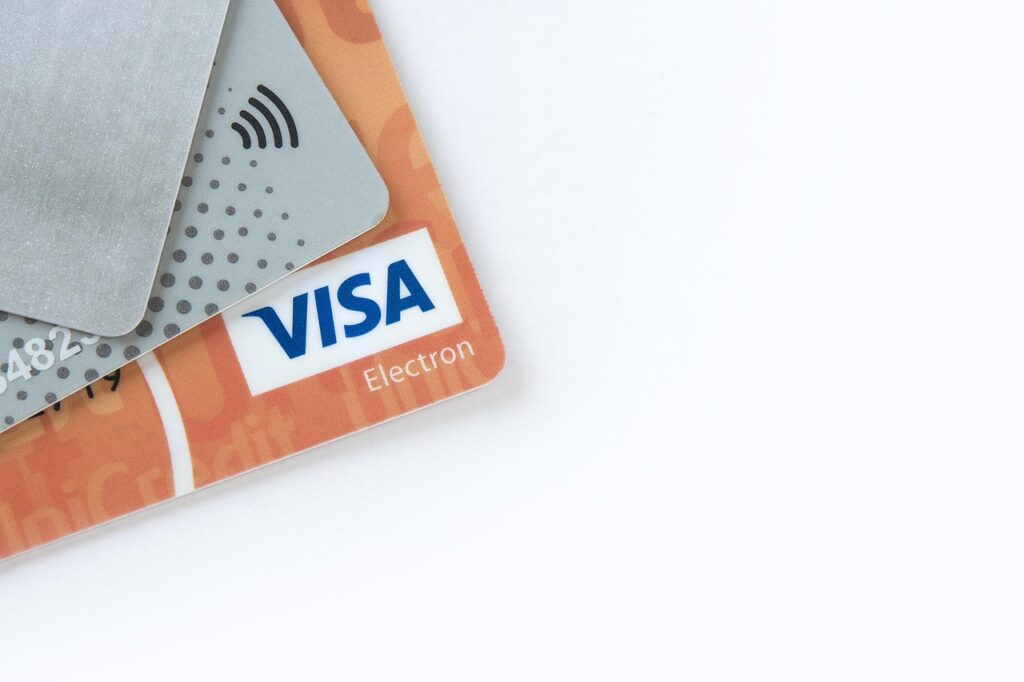

Contrary to popular belief, contactless payments are not as insecure as often perceived, with industry studies showing that the risk of fraud is significantly lower than traditional payment methods. Choosing the right approach to contactless payments matters, as it can impact both consumer trust and business revenue. Data from 2024 suggests that the global contactless payment market is expected to grow substantially, driven by increasing demand for convenience and security. However, without understanding the facts behind contactless payments, businesses and consumers may miss out on their benefits. Given the rapid evolution of payment technologies, it’s crucial to debunk common myths and understand the realities of contactless payments. This understanding can help in making informed decisions about payment solutions.
📝 What's In This Article
Breaking Down Contactless Payments
To effectively compare and utilize contactless payment options, it’s essential to understand the underlying technology and key metrics that define their functionality and user experience. Contactless payments typically involve near-field communication (NFC) technology, allowing for transactions to occur when a payment device (such as a card or smartphone) is close to a payment terminal. The security of these transactions is often a point of concern, but industry standards, including tokenization and encryption, significantly reduce the risk of data breaches or unauthorized transactions.
A critical aspect of evaluating contactless payment solutions is considering their key metrics, which include transaction speed, security features, compatibility with various devices, and user convenience. The following table summarizes some of these key metrics for a general understanding of what to look for in contactless payment solutions.
| Metric | Description | Importance |
|---|---|---|
| Transaction Speed | How quickly a transaction is processed. | High |
| Security Features | Methods used to protect transaction data, such as encryption and tokenization. | Critical |
| Compatibility | The range of devices and platforms supported. | High |
| User Convenience | Ease of use and overall user experience. | Very High |
Latest Contactless Payment Technologies
Contactless Credit/Debit Cards
Contactless credit and debit cards are among the most commonly used contactless payment methods, offering a convenient tap-to-pay experience. They utilize NFC technology for transactions, ensuring a secure and fast payment process.
- Plus Points:
- Wide acceptance at merchants who support contactless payments.
- Easy to use, with a simple tap required for transactions.
- Often come with additional security features such as PIN verification for larger transactions.
- Drawbacks:
- Dependent on the availability of contactless payment terminals.
- May have transaction limits to mitigate fraud risks.
Best for: Everyday purchases where convenience and speed are valued.
Mobile Wallets (e.g., Apple Pay, Google Pay)
Mobile wallets like Apple Pay and Google Pay allow users to add their credit or debit card information to their mobile devices, enabling contactless payments through NFC technology. These services often include advanced security features, such as biometric authentication.
- Plus Points:
- Convenient, as users typically carry their mobile devices.
- Highly secure, with features like tokenization and biometric authentication.
- Can be used across multiple platforms and devices.
- Drawbacks:
- Requires a compatible device and sufficient battery life.
- Setup may require additional steps, such as adding cards and verifying accounts.
Best for: Users who prefer the convenience of using their mobile device for payments and value advanced security features.
Wearable Devices
Wearable devices, including smartwatches and fitness trackers, can be used for contactless payments, offering an even more discreet payment method than mobile wallets. These devices typically require pairing with a mobile device for setup and use.
- Plus Points:
- Provides an additional layer of convenience, especially during exercise or travel.
- Can be more secure, as they are less likely to be lost or stolen compared to cards or phones.
- Often integrates well with other health and fitness features of the wearable.
- Drawbacks: take a look at this
- Limited compatibility with certain merchants or payment systems.
- May require more effort to set up compared to traditional payment methods.
Best for: Active individuals who value the convenience of making payments directly from their wearable devices.
QR Code Payments
QR code payments involve scanning a QR code displayed by the merchant to initiate a payment. This method is increasingly popular in certain regions and can be used through dedicated apps or sometimes directly through mobile banking applications.
- Plus Points:
- Wide reach, as QR codes can be easily displayed and scanned using standard mobile devices.
- Can be cost-effective for merchants, reducing the need for traditional payment infrastructure.
- Often supports person-to-person transactions, enhancing usability.
- Drawbacks:
- May be less secure due to the potential for QR code scams or errors in scanning.
- Requires a stable internet connection for the transaction to be processed.
Best for: Transactions where the merchant and consumer both support QR code scanning, and there’s a need for a straightforward, app-based payment process.
Biometric Payments
Biometric payments use unique biological characteristics, such as fingerprints, facial recognition, or voice commands, to authenticate transactions. This method is gaining traction, especially in online transactions and certain retail environments.
- Plus Points:
- Offers a high level of security, as biometric data is unique to each individual.
- Convenient, as it often eliminates the need for passwords or PINs.
- Can be integrated with various payment systems, enhancing user experience.
- Drawbacks:
- Requires specific hardware or software capabilities, which may not be universally available.
- Raises privacy concerns, as biometric data must be securely stored and protected.
Best for: Environments where security is paramount, and the infrastructure supports biometric authentication.
| Option | Best For | Difficulty | Cost | Speed |
|---|---|---|---|---|
| Contactless Cards | Everyday purchases | Low | Low | Fast |
| Mobile Wallets | Mobile device users | Medium | Low | Fast |
| Wearable Devices | Active individuals | Medium | Medium | Fast |
| QR Code Payments | QR code supported transactions | Low | Low | Medium |
| Biometric Payments | High-security transactions | High | High | Fast |
How to Choose the Right One
Choosing the right contactless payment method involves considering several key factors, including security features, convenience, compatibility, and cost. Each of these factors plays a significant role in determining which contactless payment solution best fits an individual’s or business’s needs. For instance, security is paramount for transactions that involve sensitive information or high-value amounts, while convenience might be the priority for everyday, low-value purchases.
Compatibility is another critical factor, as the chosen method must be widely accepted by merchants and supported by the user’s devices. Cost considerations include not only the direct costs associated with the payment method but also any potential fees for transactions, maintenance, or setup. By weighing these factors against the specific requirements and preferences of the user or business, it’s possible to select a contactless payment method that enhances the payment experience while minimizing risks and costs. another critical factor
In addition to these core factors, the decision may also be influenced by user experience, transaction speed, and additional features such as loyalty program integration or person-to-person payment capabilities. For businesses, considerations might also include the impact on customer satisfaction and the potential for increased sales through offering convenient and secure payment options.
Ultimately, the right contactless payment solution will depend on a thorough analysis of these factors, aligned with the specific goals, preferences, and constraints of the individual or organization. By carefully evaluating each option against these criteria, users can make informed decisions that meet their needs for security, convenience, and functionality.
Why This Matters to You
Picking the right contactless payment option can have a significant impact on an individual’s daily life, particularly in terms of convenience. With the ability to make quick and effortless payments, individuals can streamline their shopping experiences, whether online or in-store. This convenience can also extend to increased mobility, as users are not limited by the need to carry cash or specific cards, enhancing their overall freedom and flexibility.
In terms of security, selecting a contactless payment method with robust security features can provide peace of mind, knowing that transactions are protected against fraud and data breaches. This is especially important in today’s digital age, where cyber threats are increasingly sophisticated and prevalent. By choosing a secure contactless payment option, individuals can better safeguard their financial information and reduce the risk of financial loss.
For businesses, offering the right contactless payment options can be a competitive advantage, attracting customers who value convenience and security. It can also lead to increased customer satisfaction, as patrons appreciate the ease and speed of transactions, potentially leading to loyalty and repeat business. Furthermore, contactless payments can reduce queues and waiting times, improving the overall shopping experience and enhancing operational efficiency.
In addition to these benefits, contactless payments can also contribute to a reduction in cash handling costs for businesses, as well as minimizing the risks associated with cash, such as theft or loss. This can result in cost savings that can be reinvested in the business or used to improve profitability. Lastly, by embracing contactless payments, businesses can position themselves as innovative and forward-thinking, appealing to a wider range of customers and staying ahead of the competition in a rapidly evolving market.
Closing Thoughts
To wrap up, the choice of contactless payment method is critical for both individuals and businesses, impacting convenience, security, and overall satisfaction. By carefully considering key factors such as security features, convenience, compatibility, and cost, users can select a contactless payment solution that meets their specific needs and preferences. As the payment landscape continues to evolve, understanding the benefits and drawbacks of different contactless payment options will be essential for making informed decisions. Ultimately, the right contactless payment method can enhance the payment experience, providing a secure, convenient, and efficient way to conduct transactions in today’s digital world.
The decision framework for choosing a contactless payment method involves a thorough analysis of user needs, security considerations, and the specific benefits and drawbacks of each option. This approach ensures that the selected method aligns with the user’s goals and preferences, whether prioritizing convenience, security, or cost-effectiveness. By adopting this informed decision-making process, individuals and businesses can maximize the benefits of contactless payments, contributing to a smoother, more secure transaction experience.
As contactless payment technologies continue to advance, it’s likely that new methods and features will emerge, further expanding the range of options available to users. Staying informed about these developments and regularly reassessing payment needs will be crucial for optimizing the use of contactless payments and ensuring that the chosen method remains the best fit over time.