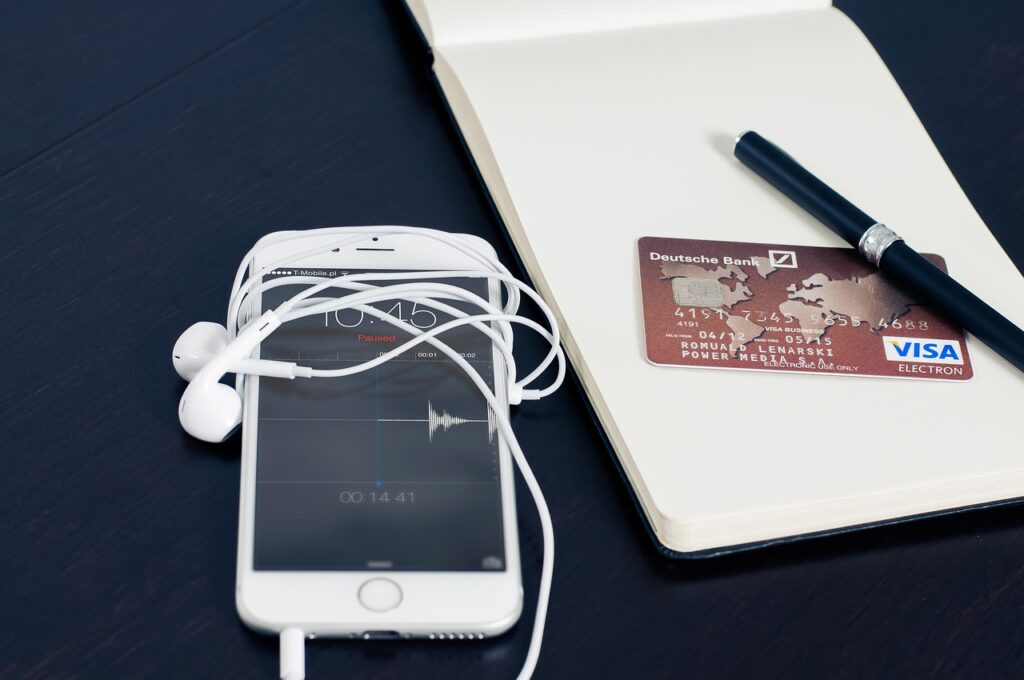

According to a recent survey, 75% of millennials use fintech apps for their financial transactions, and this number is expected to grow as more people become aware of the benefits of fintech. If you’re new to the world of fintech, you might be wondering what all the fuss is about. Fintech, short for financial technology – a term used to describe the intersection of finance and technology, refers to companies that use technology to provide financial services, is revolutionizing the way people manage their finances. With the rise of fintech, it’s now easier than ever to manage your finances, invest in the stock market, and make payments on the go. However, with so many fintech apps available, it can be overwhelming to choose the best one for your needs.
Fintech apps offer a wide range of services, from budgeting and savings to investment and money transfers – a process of sending money from one person to another, often through a digital platform. These services are designed to make managing your finances easier, faster, and more convenient. Whether you’re looking to save money, invest in the stock market, or simply make payments on the go, there’s a fintech app out there that can help.
For example, some fintech apps allow you to track your spending and create a budget – a plan for how you want to use your money, in a simple and easy-to-understand way. Others offer investment products, such as stocks – a type of security that represents ownership in a company, bonds – a type of investment where you lend money to a company or government, and mutual funds – a type of investment that pools money from many people to invest in a variety of assets.
In addition to these services, many fintech apps also offer security features, such as encryption – a way of protecting data by converting it into a code, and two-factor authentication – a way of verifying your identity by requiring a second form of verification, in addition to your password, to protect your financial information.
📝 Article Overview
Understanding Fintech Apps
Fintech apps are software applications that use technology to provide financial services – a broad term that includes services such as banking, investment, and insurance. These apps can be used on a variety of devices, including smartphones, tablets, and computers. Fintech apps are designed to make managing your finances easier, faster, and more convenient. They offer a wide range of services, from budgeting and savings to investment and money transfers.
| Term | Plain-English Meaning |
|---|---|
| Fintech | Financial technology – a term used to describe the intersection of finance and technology |
| Budgeting | The process of creating a plan for how you want to use your money |
| Investment | The act of putting your money into something with the goal of earning a profit |
| Encryption | A way of protecting data by converting it into a code |
| Two-factor authentication | A way of verifying your identity by requiring a second form of verification, in addition to your password |
| Stocks | A type of security that represents ownership in a company |
Why Best Fintech Apps Matters
The best fintech apps matter because they offer a wide range of services that can help people manage their finances more efficiently. For example, some fintech apps offer budgeting tools that can help you track your spending and create a plan for how you want to use your money. Others offer investment products, such as stocks, bonds, and mutual funds, that can help you grow your wealth over time.
In addition to these services, the best fintech apps also offer security features, such as encryption and two-factor authentication, to protect your financial information. This is especially important in today’s digital age, where cybercrime – the use of computers and the internet to commit crimes, is on the rise. By using a fintech app that offers strong security features, you can help protect your financial information and reduce the risk of identity theft – the act of stealing someone’s personal information, such as their name, address, and social security number.
Furthermore, the best fintech apps can also help people who are underserved by traditional financial institutions – organizations that provide financial services, such as banks and credit unions. For example, some fintech apps offer services such as money transfers and mobile payments – a way of making payments using your mobile phone, that can be especially helpful for people who do not have access to traditional banking services.
Leading Fintech Solutions
1. Mobile Banking
Mobile banking refers to the use of a mobile device, such as a smartphone or tablet, to manage your bank account – a type of account that allows you to store and manage your money. This can include services such as checking your account balance – the amount of money in your account, transferring money – the process of sending money from one account to another, and paying bills – the process of sending money to a company or organization in exchange for a product or service.
To use mobile banking, you will need to download a mobile banking app – a software application that allows you to manage your bank account using your mobile device, and set up an account – a type of account that allows you to store and manage your money. Once you have set up your account, you can use the app to manage your finances, including checking your account balance, transferring money, and paying bills. bank account using
A common beginner mistake when using mobile banking is not keeping your account information secure – protecting your account information from unauthorized access. To avoid this mistake, make sure to use a strong password – a secret code that you use to access your account, and keep your account information confidential – not sharing your account information with others.
- Plus Points:
- Convenience – the ability to manage your finances from anywhere, at any time
- Security – the use of encryption and two-factor authentication to protect your account information
2. Budgeting Apps
Budgeting apps are software applications that help you track your spending and create a plan for how you want to use your money. These apps can be especially helpful for people who struggle with budgeting – the process of creating a plan for how you want to use your money, or who want to save money – the act of setting aside money for future use.
To use a budgeting app, you will need to download the app and set up an account. Once you have set up your account, you can use the app to track your spending, create a budget, and set financial goals – targets that you want to achieve with your money.
A common beginner mistake when using budgeting apps is not tracking your spending accurately – not recording all of your transactions, including small purchases. To avoid this mistake, make sure to track all of your spending, including small purchases, and regularly review your budget to make sure you are on track to meet your financial goals.
- Plus Points:
- Easy to use – simple and intuitive interface
- Customizable – the ability to create a budget that is tailored to your needs
3. Investment Apps
Investment apps are software applications that allow you to invest in a variety of assets, including stocks, bonds, and mutual funds. These apps can be especially helpful for people who are new to investing – the act of putting your money into something with the goal of earning a profit, or who want to invest small amounts of money.
To use an investment app, you will need to download the app and set up an account. Once you have set up your account, you can use the app to invest in a variety of assets, including stocks, bonds, and mutual funds.
A common beginner mistake when using investment apps is not diversifying your portfolio – the collection of assets that you have invested in. To avoid this mistake, make sure to invest in a variety of assets, including stocks, bonds, and mutual funds, to reduce your risk – the possibility of losing money.
- Plus Points:
- Low fees – the cost of using the app, which can be lower than traditional investment products
- Easy to use – simple and intuitive interface
4. Money Transfer Apps
Money transfer apps are software applications that allow you to send money to others, either domestically – within your country, or internationally – to another country. These apps can be especially helpful for people who need to send money to friends or family members who live in other countries.
To use a money transfer app, you will need to download the app and set up an account. Once you have set up your account, you can use the app to send money to others, either domestically or internationally.
A common beginner mistake when using money transfer apps is not checking the exchange rate – the rate at which one currency is exchanged for another, before sending money. To avoid this mistake, make sure to check the exchange rate before sending money, to ensure that you are getting the best deal.
- Plus Points:
- Convenient – the ability to send money from anywhere, at any time
- Secure – the use of encryption and two-factor authentication to protect your transactions
5. Cryptocurrency Apps
Cryptocurrency apps are software applications that allow you to buy, sell, and store cryptocurrencies – a type of digital currency that uses cryptography – a way of protecting data by converting it into a code, for secure financial transactions. These apps can be especially helpful for people who are interested in investing in cryptocurrencies, such as Bitcoin – a type of digital currency.
To use a cryptocurrency app, you will need to download the app and set up an account. Once you have set up your account, you can use the app to buy, sell, and store cryptocurrencies.
A common beginner mistake when using cryptocurrency apps is not understanding the risks – the possibility of losing money, associated with investing in cryptocurrencies. To avoid this mistake, make sure to educate yourself about the risks and benefits of investing in cryptocurrencies before using a cryptocurrency app.
- Plus Points:
- Decentralized – the ability to make transactions without the need for a central authority, such as a bank
- Secure – the use of cryptography to protect transactions
6. Mobile Payment Apps
Mobile payment apps are software applications that allow you to make payments using your mobile device – a type of device that can be used to make payments, such as a smartphone or tablet. These apps can be especially helpful for people who want to make payments on the go – the ability to make payments from anywhere, at any time.
To use a mobile payment app, you will need to download the app and set up an account. Once you have set up your account, you can use the app to make payments, either in person – face-to-face, or online – using the internet.
A common beginner mistake when using mobile payment apps is not keeping your account information secure. To avoid this mistake, make sure to use a strong password and keep your account information confidential.
- Plus Points:
- Convenient – the ability to make payments from anywhere, at any time
- Secure – the use of encryption and two-factor authentication to protect your transactions
7. Financial Planning Apps
Financial planning apps are software applications that help you create a plan for managing your finances – a type of plan that outlines how you want to use your money. These apps can be especially helpful for people who want to save money, invest in the stock market, or achieve other financial goals – targets that you want to achieve with your money.
To use a financial planning app, you will need to download the app and set up an account. Once you have set up your account, you can use the app to create a financial plan, track your progress, and make adjustments as needed.
A common beginner mistake when using financial planning apps is not regularly reviewing and updating your financial plan. To avoid this mistake, make sure to regularly review your financial plan and make adjustments as needed to ensure that you are on track to meet your financial goals.
- Plus Points:
- Comprehensive – the ability to create a comprehensive financial plan that includes all aspects of your finances
- Customizable – the ability to create a plan that is tailored to your needs
| Step | What You Do | Expected Result |
|---|---|---|
| 1. Mobile Banking | Download a mobile banking app and set up an account | Ability to manage your finances from anywhere, at any time |
| 2. Budgeting Apps | Download a budgeting app and set up an account | Ability to track your spending and create a budget |
| 3. Investment Apps | Download an investment app and set up an account | Ability to invest in a variety of assets, including stocks, bonds, and mutual funds |
| 4. Money Transfer Apps | Download a money transfer app and set up an account | Ability to send money to others, either domestically or internationally |
| 5. Cryptocurrency Apps | Download a cryptocurrency app and set up an account | Ability to buy, sell, and store cryptocurrencies, such as Bitcoin |
| 6. Mobile Payment Apps | Download a mobile payment app and set up an account | Ability to make payments using your mobile device |
| 7. Financial Planning Apps | Download a financial planning app and set up an account | Ability to create a comprehensive financial plan and track your progress |
Frequently Asked Questions
1. What is Fintech?
Fintech, short for financial technology, refers to companies that use technology to provide financial services. Fintech companies offer a wide range of services, including mobile banking, budgeting, investment, and money transfers.
2. How Do I Choose the Best Fintech App for My Needs?
To choose the best fintech app for your needs, consider what services you need, such as mobile banking, budgeting, or investment. Research different fintech apps and read reviews to find the one that best meets your needs. needs consider what
3. Are Fintech Apps Secure?
Most fintech apps are secure and use encryption and two-factor authentication to protect your financial information. However, it’s still important to be cautious when using fintech apps and to keep your account information confidential.
4. Can I Use Fintech Apps If I Don’t Have a Bank Account?
Yes, many fintech apps do not require you to have a bank account to use them. These apps can be especially helpful for people who are underserved by traditional financial institutions.
5. How Do I Get Started With Fintech Apps?
To get started with fintech apps, research different apps and choose the ones that best meet your needs. Download the apps and set up an account, then start using the apps to manage your finances.
The Big Picture
The best fintech apps can help you manage your finances more efficiently and securely. By choosing the right fintech apps for your needs, you can take control of your financial life and achieve your financial goals. Whether you’re looking to save money, invest in the stock market, or simply make payments on the go, there’s a fintech app out there that can help.
By using fintech apps, you can simplify your financial life and achieve your financial goals. Fintech apps offer a wide range of services, from mobile banking and budgeting to investment and money transfers, that can help you manage your finances more efficiently.
In addition to the services they offer, fintech apps also provide a high level of security and convenience. By using encryption and two-factor authentication, fintech apps can help protect your financial information and reduce the risk of identity theft.