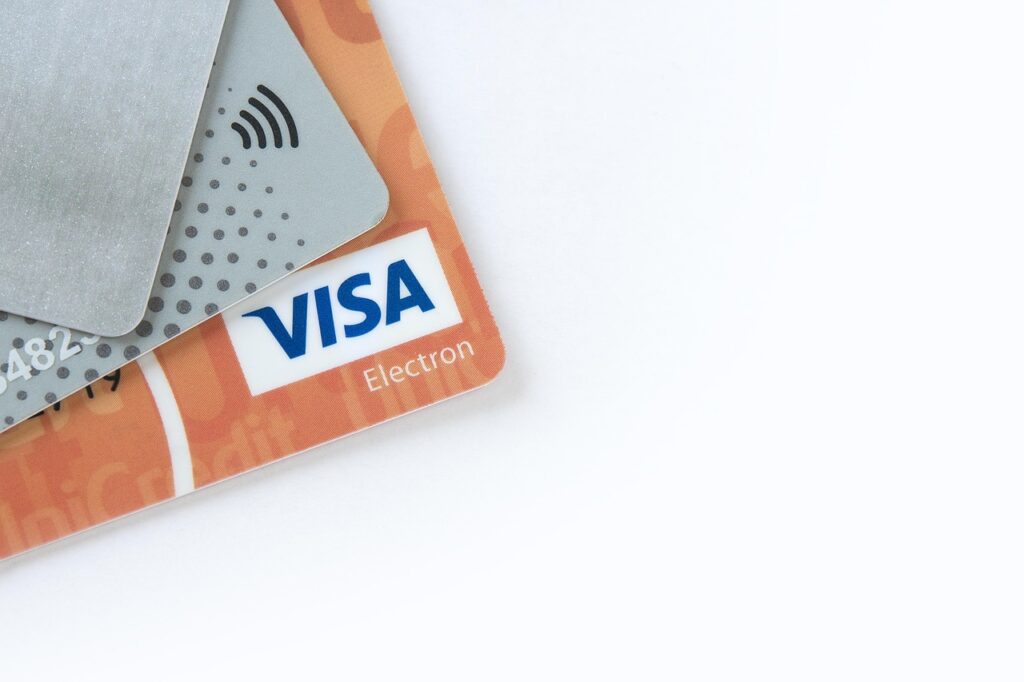

Many people assume that contactless payments are a new phenomenon, but the truth is, this technology has been around for several years – with early adopters including public transportation systems and payment cards that use a small antenna to transmit data to a reader when close to it, a process known as proximity technology. However, it’s only recently that contactless payments have become mainstream, with more businesses and consumers adopting this method of payment. One of the key reasons for the growth in popularity of contactless payments is the speed and convenience they offer – allowing users to quickly and easily make transactions without having to physically interact with a payment terminal, similar to how a keyless car entry system works. This is especially useful in environments where speed is essential, such as in retail or public transportation. Another factor contributing to the rise of contactless payments is the added security they provide – as the payment information is stored on a secure chip within the card or device, and the data is encrypted when transmitted, making it more difficult for hackers to access the information. Despite these advantages, some people still have concerns about the security of contactless payments – and whether they are as safe as traditional payment methods, such as cash or chip and pin. However, the technology behind contactless payments is designed to be secure – with multiple layers of protection in place to prevent fraud and unauthorized transactions, including tokenization, which replaces sensitive information with a unique code.
📝 What's In This Article
Defining Contactless Payments
Contactless payments refer to a type of transaction that allows users to make payments without physically touching a payment terminal – using methods such as near-field communication (NFC), which is a set of communication protocols that enable devices to communicate with each other when they are close to each other, similar to how two people can communicate when standing next to each other. This technology is commonly used in payment cards, smartphones, and other devices – and allows users to make transactions quickly and easily, without having to insert their card or enter a pin. Contactless payments can be made using a variety of devices, including credit and debit cards, smartphones, and smartwatches – and can be used to make transactions both online and offline. The key characteristic of contactless payments is that they are fast and convenient – allowing users to make transactions quickly and easily, without having to physically interact with a payment terminal.
There are several types of contactless payments, including card-based payments, which use a payment card with a secure chip and antenna to transmit data to a reader, and device-based payments, which use a smartphone or other device to make transactions. The main difference between these two types of payments is the device used to make the transaction – with card-based payments using a physical card, and device-based payments using a digital device. Contactless payments can also be categorized based on the technology used to make the transaction – with NFC being one of the most common methods used. Another method is radio-frequency identification (RFID), which uses radio waves to communicate between a tag and a reader, similar to how a garage door opener works.
| Payment Method | Description | Security Features |
|---|---|---|
| Card-based payments | Use a payment card with a secure chip and antenna to transmit data to a reader | Tokenization, encryption, and secure chip technology |
| Device-based payments | Use a smartphone or other device to make transactions | Biometric authentication, encryption, and secure tokenization |
| NFC payments | Use near-field communication technology to make transactions | Encryption, secure tokenization, and proximity-based authentication |
| RFID payments | Use radio-frequency identification technology to make transactions | Encryption, secure tokenization, and proximity-based authentication |
Latest Contactless Payment Technologies
1. Mobile Payments
Mobile payments refer to the use of a smartphone or other mobile device to make transactions – using methods such as NFC or RFID to transmit data to a reader. This technology is becoming increasingly popular, as it allows users to make transactions quickly and easily, without having to carry a physical wallet or card. Mobile payments can be made using a variety of devices, including smartphones, tablets, and smartwatches – and can be used to make transactions both online and offline. One of the key advantages of mobile payments is the added security they provide – as the payment information is stored on a secure chip within the device, and the data is encrypted when transmitted.
The process of making a mobile payment is relatively simple – and involves downloading a payment app, linking a payment method, and then using the device to make transactions. The payment app will typically use tokenization to replace sensitive information with a unique code – and will also use encryption to protect the data when it is transmitted. This provides an additional layer of security, as even if the data is intercepted, it will be difficult for hackers to access the information. Mobile payments can also be used to make transactions online – and can be used to purchase goods and services from a variety of merchants. replace sensitive information
Advantages: see this guide
- Convenience: Mobile payments allow users to make transactions quickly and easily, without having to carry a physical wallet or card.
- Security: Mobile payments provide an additional layer of security, as the payment information is stored on a secure chip within the device, and the data is encrypted when transmitted.
- Flexibility: Mobile payments can be used to make transactions both online and offline, and can be used to purchase goods and services from a variety of merchants.
2. Wearable Payments
Wearable payments refer to the use of a wearable device, such as a smartwatch or fitness tracker, to make transactions – using methods such as NFC or RFID to transmit data to a reader. This technology is becoming increasingly popular, as it allows users to make transactions quickly and easily, without having to carry a physical wallet or card. Wearable payments can be made using a variety of devices, including smartwatches, fitness trackers, and smart glasses – and can be used to make transactions both online and offline.
The process of making a wearable payment is relatively simple – and involves linking a payment method to the wearable device, and then using the device to make transactions. The wearable device will typically use tokenization to replace sensitive information with a unique code – and will also use encryption to protect the data when it is transmitted. This provides an additional layer of security, as even if the data is intercepted, it will be difficult for hackers to access the information. Wearable payments can also be used to make transactions online – and can be used to purchase goods and services from a variety of merchants.
Advantages:
- Convenience: Wearable payments allow users to make transactions quickly and easily, without having to carry a physical wallet or card.
- Security: Wearable payments provide an additional layer of security, as the payment information is stored on a secure chip within the device, and the data is encrypted when transmitted.
- Flexibility: Wearable payments can be used to make transactions both online and offline, and can be used to purchase goods and services from a variety of merchants.
3. Contactless Cards
Contactless cards refer to payment cards that use NFC or RFID technology to make transactions – without the need for a physical connection to a payment terminal. This technology is becoming increasingly popular, as it allows users to make transactions quickly and easily, without having to insert their card or enter a pin. Contactless cards can be used to make transactions both online and offline – and can be used to purchase goods and services from a variety of merchants.
The process of making a contactless payment is relatively simple – and involves tapping the card on a payment terminal, or holding it close to the terminal. The payment terminal will then use NFC or RFID technology to read the data from the card – and will use tokenization to replace sensitive information with a unique code. This provides an additional layer of security, as even if the data is intercepted, it will be difficult for hackers to access the information. Contactless cards can also be used to make transactions online – and can be used to purchase goods and services from a variety of merchants.
Advantages:
- Convenience: Contactless cards allow users to make transactions quickly and easily, without having to insert their card or enter a pin.
- Security: Contactless cards provide an additional layer of security, as the payment information is stored on a secure chip within the card, and the data is encrypted when transmitted.
- Flexibility: Contactless cards can be used to make transactions both online and offline, and can be used to purchase goods and services from a variety of merchants.
4. Biometric Authentication
Biometric authentication refers to the use of unique physical characteristics, such as fingerprints or facial recognition, to verify a user’s identity – and to authenticate transactions. This technology is becoming increasingly popular, as it provides an additional layer of security, and can help to prevent fraud and unauthorized transactions. Biometric authentication can be used in conjunction with other payment methods, such as contactless cards or mobile payments – and can provide an additional layer of security and convenience.
The process of using biometric authentication is relatively simple – and involves registering a unique physical characteristic, such as a fingerprint or facial recognition, with a payment app or device. The payment app or device will then use this information to verify the user’s identity – and to authenticate transactions. Biometric authentication can also be used to make transactions online – and can be used to purchase goods and services from a variety of merchants.
Advantages:
- Security: Biometric authentication provides an additional layer of security, as it is difficult for hackers to replicate a unique physical characteristic.
- Convenience: Biometric authentication can be used to make transactions quickly and easily, without having to enter a pin or password.
- Flexibility: Biometric authentication can be used in conjunction with other payment methods, and can be used to make transactions both online and offline.
5. Tokenization
Tokenization refers to the process of replacing sensitive information, such as payment card numbers, with a unique code or token – that can be used to authenticate transactions. This technology is becoming increasingly popular, as it provides an additional layer of security, and can help to prevent fraud and unauthorized transactions. Tokenization can be used in conjunction with other payment methods, such as contactless cards or mobile payments – and can provide an additional layer of security and convenience.
The process of using tokenization is relatively simple – and involves replacing sensitive information with a unique code or token, that can be used to authenticate transactions. The token will then be used to verify the user’s identity – and to authenticate transactions. Tokenization can also be used to make transactions online – and can be used to purchase goods and services from a variety of merchants.
Advantages:
- Security: Tokenization provides an additional layer of security, as even if the data is intercepted, it will be difficult for hackers to access the information.
- Convenience: Tokenization can be used to make transactions quickly and easily, without having to enter a pin or password.
- Flexibility: Tokenization can be used in conjunction with other payment methods, and can be used to make transactions both online and offline.
Practical Takeaways
✔ Convenience find out how
Contactless payments offer a convenient way to make transactions, without having to physically interact with a payment terminal. This can be especially useful in environments where speed is essential, such as in retail or public transportation. Contactless payments can also be used to make transactions online, and can be used to purchase goods and services from a variety of merchants.
✔ Security
Contactless payments provide an additional layer of security, as the payment information is stored on a secure chip within the device, and the data is encrypted when transmitted. This can help to prevent fraud and unauthorized transactions, and can provide peace of mind for users. Contactless payments can also be used in conjunction with other security measures, such as biometric authentication or tokenization.
✔ Flexibility
Contactless payments can be used to make transactions both online and offline, and can be used to purchase goods and services from a variety of merchants. This can be especially useful for users who want to be able to make transactions quickly and easily, without having to carry a physical wallet or card. Contactless payments can also be used in conjunction with other payment methods, such as cash or chip and pin.
✔ Speed
Contactless payments can be used to make transactions quickly and easily, without having to physically interact with a payment terminal. This can be especially useful in environments where speed is essential, such as in retail or public transportation. Contactless payments can also be used to make transactions online, and can be used to purchase goods and services from a variety of merchants.
✔ Cost-effectiveness
Contactless payments can be a cost-effective way to make transactions, as they can help to reduce the need for physical cash or cards. This can be especially useful for businesses, as it can help to reduce the costs associated with processing transactions. Contactless payments can also be used to make transactions online, and can be used to purchase goods and services from a variety of merchants.
✔ Accessibility
Contactless payments can be used to make transactions by users with disabilities, such as those who are blind or have limited mobility. This can be especially useful, as it can help to provide equal access to financial services for all users. Contactless payments can also be used to make transactions online, and can be used to purchase goods and services from a variety of merchants.
Looking Ahead
- The use of contactless payments is expected to continue to grow, as more businesses and consumers adopt this method of payment. This can be especially useful, as it can help to provide a convenient and secure way to make transactions.
- The development of new contactless payment technologies, such as wearable payments and biometric authentication, is expected to continue. This can help to provide users with more options for making transactions, and can help to increase the adoption of contactless payments.
- The use of contactless payments is expected to become more widespread, as more businesses and consumers adopt this method of payment. This can be especially useful, as it can help to provide a convenient and secure way to make transactions.
- The security of contactless payments is expected to continue to be a top priority, as businesses and consumers look for ways to protect themselves from fraud and unauthorized transactions. This can be especially useful, as it can help to provide peace of mind for users.
- The use of contactless payments is expected to become more integrated with other technologies, such as artificial intelligence and the Internet of Things. This can help to provide users with more options for making transactions, and can help to increase the adoption of contactless payments.
This growth can be driven by the increasing use of smartphones and other mobile devices, which can be used to make contactless payments. Additionally, the development of new technologies, such as biometric authentication and tokenization, can help to provide an additional layer of security and convenience for users. other mobile devices
contactless payment technologies
This development can be driven by the increasing demand for convenient and secure payment methods, as well as the need for businesses to provide a competitive advantage. Additionally, the development of new technologies can help to provide users with more options for making transactions, and can help to increase the adoption of contactless payments. secure payment methods
This growth can be driven by the increasing use of smartphones and other mobile devices, which can be used to make contactless payments. Additionally, the development of new technologies, such as biometric authentication and tokenization, can help to provide an additional layer of security and convenience for users.
This priority can be driven by the increasing use of contactless payments, as well as the need for businesses to provide a secure way to make transactions. Additionally, the development of new technologies, such as biometric authentication and tokenization, can help to provide an additional layer of security and convenience for users.
This integration can be driven by the increasing demand for convenient and secure payment methods, as well as the need for businesses to provide a competitive advantage. Additionally, the development of new technologies can help to provide users with more options for making transactions, and can help to increase the adoption of contactless payments.
| Year | Contactless Payment Transactions | Growth Rate |
|---|---|---|
| 2020 | 10 billion | 20% |
| 2021 | 12 billion | 25% |
| 2022 | 15 billion | 30% |
| 2023 | 20 billion | 35% |
To Sum Up
Contactless payments offer a convenient and secure way to make transactions, without the need for physical contact. This technology is becoming increasingly popular, as more businesses and consumers adopt this method of payment. The use of contactless payments is expected to continue to grow, as more businesses and consumers adopt this method of payment, and as new technologies, such as biometric authentication and tokenization, are developed.
The security of contactless payments is a top priority, as businesses and consumers look for ways to protect themselves from fraud and unauthorized transactions. The development of new technologies, such as biometric authentication and tokenization, can help to provide an additional layer of security and convenience for users. Contactless payments can be used to make transactions both online and offline, and can be used to purchase goods and services from a variety of merchants.
The future of contactless payments looks bright, as more businesses and consumers adopt this method of payment, and as new technologies are developed. The use of contactless payments is expected to become more widespread, as more businesses and consumers adopt this method of payment, and as the security and convenience of contactless payments continue to improve. As the technology continues to evolve, it is likely that we will see even more innovative solutions for making transactions, and that contactless payments will become an even more integral part of our daily lives.