
Is traditional banking on its way out, replaced by the rise of digital banking? Are we witnessing the end of an era where physical bank branches were the norm? The shift towards digital banking has been ongoing for years, but the recent acceleration in technology and consumer behavior has brought this question to the forefront. As consumers become increasingly comfortable with online transactions and mobile banking, the need for physical bank branches is diminishing. But what does this mean for the future of banking? The answers lie in understanding digital banking and its implications.
The rise of digital banking is not just about convenience; it’s about creating a more accessible, efficient, and personalized banking experience. As technology continues to advance, the line between traditional and digital banking is becoming increasingly blurred. The question now is, what does the future hold for digital banking, and how will it continue to shape the financial industry?
📝 Quick Navigation
What Does Digital Banking Mean?
Digital banking refers to the online and mobile banking systems that allow users to manage their bank accounts, make transactions, and access various banking services through digital channels. This includes internet banking, mobile banking apps, and other digital platforms. Digital banking is designed to provide a convenient, secure, and user-friendly experience for consumers, enabling them to perform banking tasks anytime, anywhere. The key to digital banking is its ability to integrate technology with traditional banking services, creating a seamless and efficient banking experience.
The evolution of digital banking has been significant, from the early days of online banking to the current mobile-first approach. Today, digital banking encompasses a broad range of services, including account management, bill payments, fund transfers, and investment services. The goal of digital banking is to provide a holistic banking experience that meets the diverse needs of consumers, from basic transactions to complex financial management.
To understand the scope of digital banking, it’s essential to compare different types of banking services and their characteristics. The following table highlights the main differences between traditional banking, online banking, and mobile banking.
| Banking Type | Channel | Accessibility | Security |
|---|---|---|---|
| Traditional Banking | Physical Branches | Limited by Location and Hours | High Security with Physical Presence |
| Online Banking | Internet | 24/7 Accessibility | Dependent on Website Security |
| Mobile Banking | Mobile Apps | 24/7 Accessibility on Mobile Devices | Advanced Security with Biometric Authentication |
Latest Digital Banking Technologies
1. Artificial Intelligence (AI) in Banking
Artificial intelligence is being increasingly used in digital banking to enhance customer service, detect fraud, and offer personalized financial advice. AI-powered chatbots are becoming common in banking, providing 24/7 customer support and helping with basic queries. Moreover, AI can analyze vast amounts of data to predict consumer behavior and offer tailored banking solutions. The integration of AI in digital banking is transforming the way banks interact with their customers and manage their operations. being increasingly used
The use of AI in banking is not limited to customer service. It’s also being used for risk management, compliance, and improving operational efficiency. By automating routine tasks, banks can reduce costs and focus on more complex and high-value tasks. Furthermore, AI can help in detecting and preventing financial crimes, such as money laundering and terrorist financing, by analyzing transaction patterns and identifying suspicious activities.
- Key Benefits:
- Enhanced customer experience through personalized services
- Improved operational efficiency by automating routine tasks
- Advanced security measures to detect and prevent financial crimes
2. Blockchain Technology in Digital Banking
Blockchain technology is another significant development in digital banking, offering a secure, transparent, and efficient way to conduct transactions. By using blockchain, banks can reduce the risk of fraud and cyberattacks, as all transactions are recorded on a public ledger. Moreover, blockchain enables fast and low-cost cross-border transactions, making it an attractive solution for international banking.
The potential of blockchain in digital banking extends beyond security and transaction efficiency. It can also be used for identity verification, supply chain finance, and smart contracts. By leveraging blockchain, banks can create new business models and revenue streams, such as blockchain-based payment systems and digital asset management.
- Key Benefits:
- Enhanced security through decentralized and immutable ledger
- Faster and cheaper cross-border transactions
- New business opportunities through blockchain-based services
3. Mobile Payments and Wallets
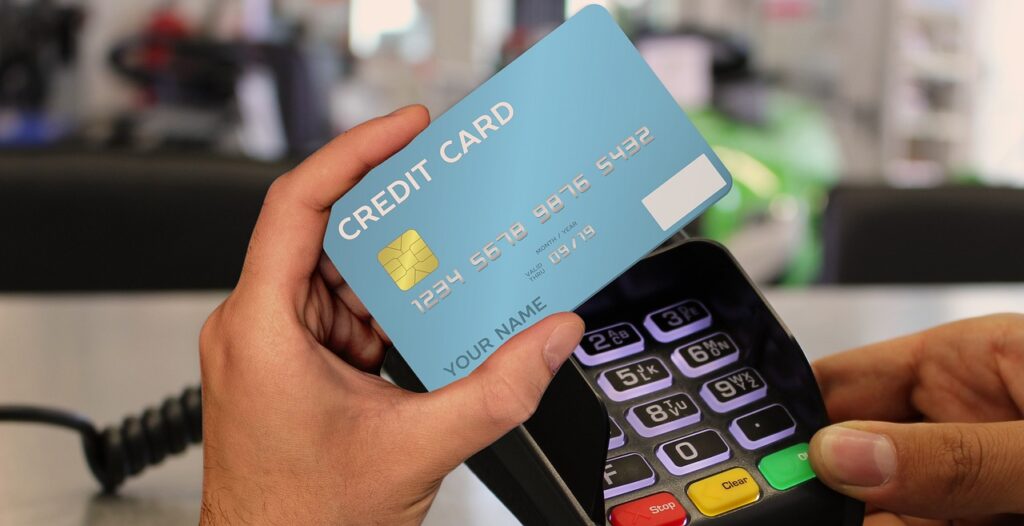
Mobile payments and wallets are becoming increasingly popular, allowing users to make transactions and store their payment information on their mobile devices. Digital wallets, such as Apple Pay and Google Pay, use near-field communication (NFC) technology to enable contactless payments. Moreover, mobile payments can be used for peer-to-peer transactions, bill payments, and online purchases.
The convenience and accessibility of mobile payments are driving their adoption. Users can make payments anywhere, anytime, without the need for physical cash or cards. Furthermore, mobile payments can be used for microtransactions, such as buying parking tickets or vending machine items, making them a viable alternative to traditional payment methods.
- Key Benefits:
- Convenience and accessibility of making payments on mobile devices
- Increased security through tokenization and biometric authentication
- Wide range of applications, from peer-to-peer transactions to online purchases
4. Biometric Authentication in Digital Banking
Biometric authentication is being used in digital banking to provide an additional layer of security. Biometric authentication methods, such as facial recognition, fingerprint scanning, and voice recognition, can verify the identity of users and prevent unauthorized access to their accounts. Moreover, biometric authentication can replace traditional passwords and PINs, making it more convenient and secure for users to access their accounts.
The use of biometric authentication in digital banking is becoming more widespread, as it offers a higher level of security and convenience. Biometric data is unique to each individual, making it difficult for hackers to replicate. Furthermore, biometric authentication can be used for transaction authorization, ensuring that only authorized individuals can make transactions.
- Key Benefits:
- Enhanced security through unique biometric identifiers
- Convenience of not having to remember passwords or PINs
- Wide range of applications, from account login to transaction authorization
5. Cloud Computing in Digital Banking
Cloud computing is being used in digital banking to enhance scalability, flexibility, and cost-efficiency. Cloud-based infrastructure can be easily scaled up or down to meet the changing demands of digital banking, reducing the need for hardware and software upgrades. Moreover, cloud computing enables banks to focus on their core business, while leaving the management of IT infrastructure to cloud service providers.
The benefits of cloud computing in digital banking extend beyond scalability and cost-efficiency. Cloud-based services can be used for data analytics, providing valuable insights into customer behavior and preferences. Furthermore, cloud computing can be used for disaster recovery and business continuity, ensuring that banking services are always available, even in the event of a disaster.
- Key Benefits:
- Scalability and flexibility of cloud-based infrastructure
- Cost-efficiency of reducing hardware and software costs
- Enhanced data analytics and business insights
How This Affects Everyday Life
✔ Convenience and Accessibility
Digital banking offers users the convenience and accessibility of managing their finances anytime, anywhere. With mobile banking apps and online banking platforms, users can perform a wide range of banking tasks, from checking their account balance to making transactions and paying bills. The convenience of digital banking has transformed the way people manage their finances, making it easier and more efficient.
✔ Enhanced Security
Digital banking provides an additional layer of security for users, through the use of advanced security measures such as encryption, firewalls, and biometric authentication. These security measures protect users’ personal and financial information, preventing unauthorized access and reducing the risk of fraud and cyberattacks.
✔ Personalized Banking Experience
Digital banking enables banks to offer a personalized banking experience, tailored to the individual needs and preferences of each user. By analyzing user data and behavior, banks can provide targeted marketing, offer relevant products and services, and enhance the overall user experience.
✔ Increased Financial Inclusion
Digital banking has the potential to increase financial inclusion, by providing access to banking services for underserved and unbanked populations. Mobile banking and digital wallets can be used to reach remote and rural areas, where traditional banking services may not be available.
✔ Improved Operational Efficiency
Digital banking can improve operational efficiency, by automating routine tasks and reducing the need for physical branches and ATMs. This can result in cost savings, which can be passed on to users in the form of lower fees and better interest rates.
✔ New Business Opportunities
Digital banking can create new business opportunities, such as blockchain-based payment systems, digital asset management, and fintech partnerships. These opportunities can drive innovation and growth in the financial industry, creating new revenue streams and job opportunities.
Where This Is Headed
- Predictions for the future of digital banking include the increased use of artificial intelligence and machine learning, to enhance customer experience and improve operational efficiency.
- The growth of mobile payments and digital wallets is expected to continue, with more users adopting these services for convenience and accessibility.
- The development of blockchain technology is expected to have a significant impact on digital banking, enabling faster, cheaper, and more secure transactions.
- The increased use of cloud computing is expected to improve scalability, flexibility, and cost-efficiency in digital banking.
- The growth of fintech partnerships and collaborations is expected to drive innovation and growth in the financial industry.
The use of AI and machine learning can help banks to better understand customer behavior and preferences, enabling them to provide more personalized and relevant services. Moreover, AI can be used to automate routine tasks, reducing costs and improving efficiency.
The convenience and accessibility of mobile payments and digital wallets are driving their adoption, as users increasingly prefer to use their mobile devices for transactions and payments. Moreover, the security and convenience of mobile payments are expected to improve, with the use of advanced biometric authentication and encryption. driving their adoption
The use of blockchain technology can help to reduce the risk of fraud and cyberattacks, by providing a secure and transparent way to conduct transactions. Moreover, blockchain can be used to create new business models and revenue streams, such as blockchain-based payment systems and digital asset management.
The use of cloud computing can help banks to reduce costs and improve efficiency, by providing a scalable and flexible infrastructure for digital banking services. Moreover, cloud computing can be used for data analytics, providing valuable insights into customer behavior and preferences.
The partnership between traditional banks and fintech companies can help to drive innovation and growth, by providing new and innovative solutions for digital banking. Moreover, fintech partnerships can help to improve customer experience and provide more personalized and relevant services.
| Year | Digital Banking Adoption Rate | Mobile Payment Transaction Value | Number of Digital Banking Users |
|---|---|---|---|
| 2020 | 60% | $1 trillion | 2 billion |
| 2025 | 80% | $5 trillion | 4 billion |
| 2030 | 90% | $10 trillion | 6 billion |
The Bottom Line
Digital banking is revolutionizing the financial industry, providing users with a convenient, secure, and personalized banking experience. The integration of technology and banking services is creating new opportunities for growth and innovation, driving the development of new business models and revenue streams. As digital banking continues to evolve, it’s essential to stay up-to-date with the latest trends and technologies, to remain competitive and provide the best possible services to users.
The impact of digital banking on everyday life is significant, from the convenience and accessibility of mobile banking to the enhanced security and personalized experience. Digital banking is not just a trend; it’s a fundamental shift in the way we manage our finances and interact with banks. As the financial industry continues to evolve, digital banking will play an increasingly important role in shaping the future of banking and finance.
The future of digital banking is exciting and full of opportunities, from the growth of mobile payments and digital wallets to the development of blockchain technology and fintech partnerships. As technology continues to advance and user behavior evolves, digital banking will continue to adapt and innovate, providing users with new and innovative solutions for managing their finances and achieving their financial goals.