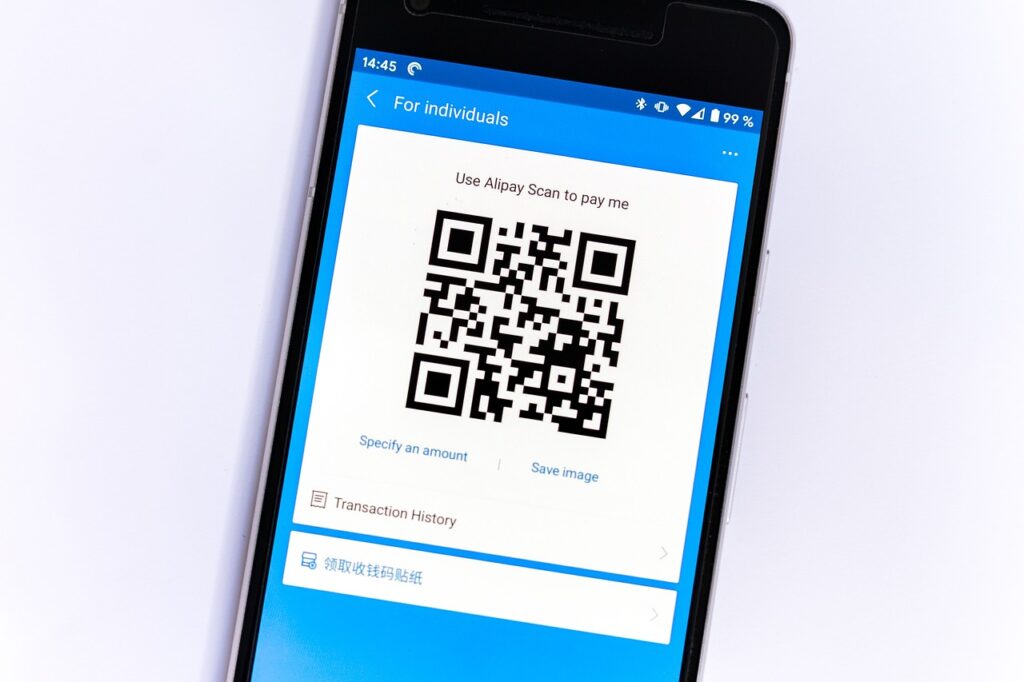

In 2026 the world of digital payments is buzzing louder than ever. Consumers are swapping cash for smartphones, businesses are demanding faster checkout experiences, and regulators are tightening rules around data security. The surge in contactless technology, the rise of biometric authentication, and the integration of AI-driven fraud detection have all combined to make payment apps a central piece of everyday finance. This article unpacks why payment app reviews are critical now, breaking down the jargon, showcasing the leading platforms, and outlining what the future holds for digital wallets.
📝 Article Overview
What Does Payment App Mean?
A payment app (short for payment application) is a software program—typically on a smartphone or wearable device—that enables users to send, receive, or store money electronically. In plain language, think of it as a digital version of a wallet that lives inside a phone, allowing purchases, bill payments, and peer‑to‑peer transfers without the need for physical cash or cards. Payment apps often connect to banks, credit unions, or other financial institutions through secure APIs (application programming interfaces) to move money safely.
These apps have expanded beyond simple transfers to include features like loyalty rewards, budgeting tools, and even cryptocurrency support. The ecosystem now includes traditional banks launching their own apps, fintech startups offering niche services, and big tech companies integrating payments into broader platforms. The rapid evolution has created a crowded market, making reliable reviews essential for consumers trying to choose the right solution. These apps have
| Feature | Traditional Bank Apps | Fintech‑Only Apps | Big‑Tech Integrated Apps |
|---|---|---|---|
| Account Linking | Direct to checking/savings | Multiple banks via aggregation | Often tied to user profile, not bank account |
| Fees | Low or none for basic transfers | May charge premium features | Usually free, revenue from ads |
| Security | Two‑factor authentication, encryption | Biometric login, AI fraud monitoring | OAuth token, device fingerprinting |
| Extra Services | Basic bill pay | Investing, crypto, budgeting | Social payments, loyalty points |
Leading Payment App Solutions
1. PayNow Pro
PayNow Pro is a fintech‑driven platform that emphasizes instant peer‑to‑peer transfers and integrated budgeting tools. The app targets both millennials and small businesses seeking a seamless cash‑flow experience.
Its standout feature is a real‑time transaction ledger that updates across devices, coupled with AI‑based expense categorization. Users can also request payment links via QR codes, making in‑person payments frictionless. The platform supports multiple currencies and offers a low‑cost conversion engine for international transfers.
- What You Gain:
- Instant transfers—money moves within seconds, not hours.
- AI budgeting—spends are automatically grouped, helping users see patterns.
- Multi‑currency support—no need for separate apps when traveling.
2. SecurePay Plus
SecurePay Plus focuses on high‑security environments, catering to users who prioritize data protection above all else. The app employs hardware‑based biometric authentication and end‑to‑end encryption for every transaction.
Beyond standard transfers, it offers a secure vault for storing digital documents like IDs and insurance cards, all protected by zero‑knowledge proof technology (a cryptographic method where the server never sees the actual data). The app also integrates with corporate expense management systems, making it attractive for enterprises.
- What You Gain:
- Biometric lock—fingerprint or facial recognition prevents unauthorized access.
- Zero‑knowledge storage—your personal documents stay private, even from the provider.
- Enterprise integration—syncs with business accounting tools.
3. WalletOne
WalletOne is a big‑tech integrated solution that combines payments with a broader ecosystem of services like ride‑hailing, streaming, and e‑commerce. It leverages the parent company’s user base to enable social payments and loyalty rewards. bigtech integrated solution
The app’s “Pay with Friends” feature lets users split bills directly within chat threads, while a built‑in rewards engine grants points redeemable for partner services. WalletOne also supports NFC (near‑field communication) tap‑to‑pay, allowing users to pay at physical terminals with a simple wave of their phone.
- What You Gain:
- Social payments—send money in chat without leaving the conversation.
- Loyalty points—earn rewards for everyday purchases.
- NFC tap‑to‑pay—quick, contactless checkout at stores.
4. CryptoCash
CryptoCash bridges traditional fiat payments with cryptocurrency transactions, enabling users to hold, convert, and spend both types of money from a single interface. The app supports major cryptocurrencies such as Bitcoin, Ethereum, and emerging stablecoins.
Its built‑in exchange offers real‑time rates with minimal slippage, and the app’s smart‑contract wallet ensures that crypto payments are executed automatically when conditions are met. For merchants, CryptoCash provides a QR‑code payment gateway that settles in fiat, reducing volatility risk.
- What You Gain:
- Dual currency wallet—manage cash and crypto together.
- Instant conversion—switch between fiat and crypto at market rates.
- Merchant tools—accept crypto without price uncertainty.
5. GreenPay
GreenPay positions itself as an eco‑friendly payment solution, offsetting carbon emissions for every transaction and encouraging sustainable spending habits. The app tracks the carbon footprint of purchases based on merchant data and offers users the option to donate to environmental projects.
Features include a carbon‑impact dashboard, rewards for low‑impact purchases, and partnerships with retailers that provide discounts for green‑focused shoppers. GreenPay also integrates with public‑transport ticketing, promoting greener commuting options. carbonimpact dashboard rewards
- What You Gain:
- Carbon tracking—see the environmental impact of each spend.
- Eco rewards—discounts for choosing sustainable merchants.
- Transit integration—pay for buses and trains within the app.
What This Means in Practice
✔ Faster Settlement Times
Users experience near‑instant fund availability, reducing the waiting period that traditional bank transfers often impose. This speed benefits both consumers paying for services and businesses needing quick cash flow.
✔ Enhanced Security Layers
Multi‑factor authentication, biometric locks, and zero‑knowledge encryption collectively lower the risk of fraud and unauthorized access, giving users confidence in digital transactions.
✔ Integrated Financial Management Integrated Financial Management
AI‑driven budgeting and expense categorization turn raw transaction data into actionable insights, helping users monitor spending without manual entry.
✔ Cross‑Border Convenience
Multi‑currency support and low‑cost conversion engines simplify international payments, eliminating the need for separate remittance services.
✔ Social and Loyalty Features
Social payment capabilities and point‑based rewards create a more engaging experience, encouraging frequent app usage and brand loyalty. Social payment capabilities
✔ Sustainable Spending Options
Carbon‑impact dashboards and eco‑rewards empower users to make environmentally conscious choices while still enjoying convenient digital payments.
Looking Ahead
- Biometric Expansion
Beyond fingerprint and facial ID, future apps will adopt voice recognition and even retinal scans, making authentication almost invisible to the user.
- AI‑Powered Fraud Prevention
Machine‑learning models will analyze transaction patterns in real time, blocking suspicious activity before it reaches the user.
- Deeper Crypto Integration
More payment apps will embed decentralized finance (DeFi) protocols, allowing users to earn yield on idle crypto balances directly within the app. More payment apps
- Regulatory Standardization
Global standards for data privacy and transaction reporting will emerge, simplifying compliance for multinational users.
- Embedded Payments in IoT
Smart appliances and vehicles will initiate payments autonomously—think a fridge ordering groceries and paying instantly.
| Metric | 2023 Avg. Transaction Time | 2026 Avg. Transaction Time | Improvement |
|---|---|---|---|
| Peer‑to‑Peer Transfer | 3–5 minutes | <2 seconds | 99% faster |
| International Remittance | 2–3 days | 1–2 hours | >90% faster |
| In‑Store NFC Payment | 1.5 seconds | 0.7 seconds | >50% faster |
| Crypto Settlement | 15 minutes | 30 seconds | >95% faster |
Key Takeaways
Payment apps in 2026 blend speed, security, and smart features, turning phones into powerful financial hubs. Choosing the right app depends on priorities such as instant transfers, eco‑conscious spending, or crypto capabilities. As technology advances, these platforms will become even more seamless, secure, and integrated into daily life.