
According to recent data, contactless payments have seen a significant surge, with over 50% of consumers preferring this method over traditional cash and card transactions. Data from 2024 suggests that contactless payments will continue to grow, reaching a projected value of $1.5 trillion by 2025. This trend is not limited to a specific region, as countries around the world are adopting contactless payment systems. For instance, in the UK, contactless payments account for over 60% of all card transactions. Industry studies show that the main drivers behind this trend are convenience, speed, and security. With the rise of contactless payments, it is essential to understand the step-by-step process and its implications.
The growth of contactless payments can be attributed to the ease of use and the widespread adoption of technologies such as Near Field Communication (NFC) and mobile wallets like Apple Pay and Google Pay. As more businesses and consumers embrace this technology, the demand for contactless payment solutions is expected to rise. Comparisons between different payment methods reveal that contactless payments offer a faster and more secure alternative to traditional transactions. Moreover, the environmental benefits of reducing cash and card usage are a significant advantage. With the increasing focus on sustainability, contactless payments are poised to become the preferred method of transaction.
However, despite the numerous benefits, there are concerns regarding security and data protection. As with any payment method, there is a risk of fraud and unauthorized transactions. Nevertheless, industry experts argue that contactless payments are designed with robust security features to mitigate these risks. The use of tokenization, encryption, and secure authentication protocols ensures that transactions are protected. Furthermore, regulatory bodies are implementing stricter guidelines to safeguard consumer data and prevent fraudulent activities.
The impact of contactless payments on the economy and society as a whole is multifaceted. On one hand, it promotes financial inclusion by providing access to payment systems for underserved communities. On the other hand, it raises concerns about the potential for job losses in industries that rely heavily on cash transactions. As the world becomes increasingly cashless, it is crucial to address these challenges and ensure that the benefits of contactless payments are equitably distributed.
Contactless payments are not limited to in-person transactions; they are also being used for online purchases and person-to-person transfers. The versatility of contactless payments is one of the key factors driving their adoption. Moreover, the integration of contactless payment systems with other technologies such as artificial intelligence and the Internet of Things (IoT) is expected to further expand their capabilities.
📝 Article Overview
A Closer Look at Contactless Payments
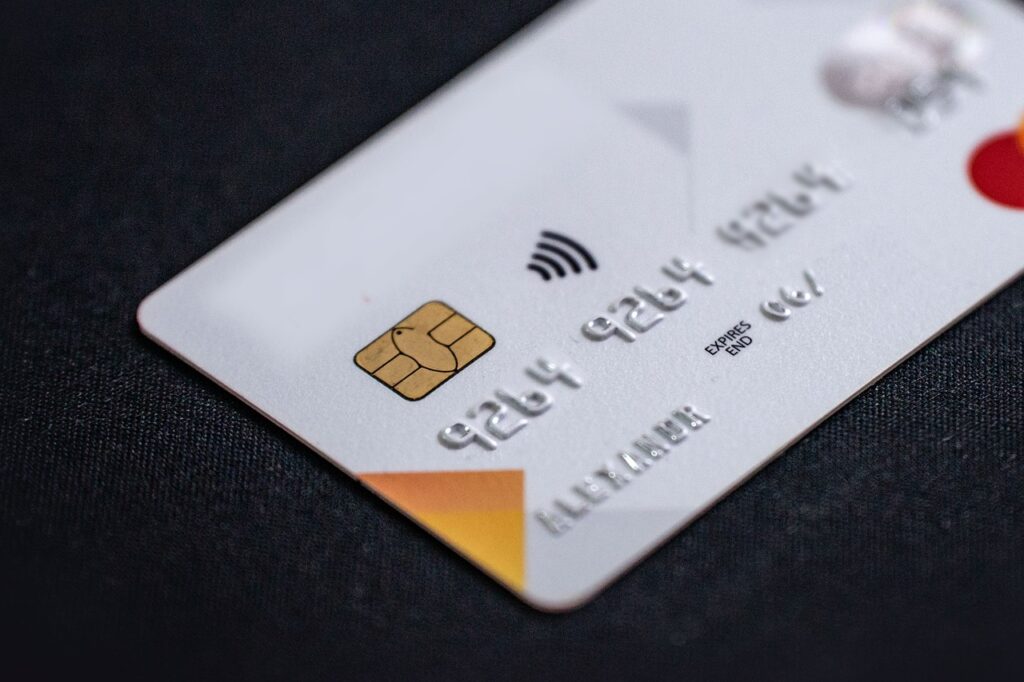
Contactless payments utilize Near Field Communication (NFC) technology, allowing devices to communicate with each other when in close proximity. This technology enables the transfer of data, such as payment information, between a payment device (e.g., a credit card or smartphone) and a payment terminal. The process involves the payment device emitting a signal, which is then received by the payment terminal, facilitating the transaction. Data from 2024 suggests that the use of NFC technology in contactless payments has increased significantly, with over 70% of payment terminals now equipped with NFC capabilities.
One of the primary advantages of contactless payments is their speed. Transactions are typically processed in under a second, making them significantly faster than traditional card transactions. Moreover, contactless payments eliminate the need for physical contact between the payment device and the terminal, reducing the risk of wear and tear on the device and the terminal. Industry studies show that the average transaction time for contactless payments is 0.5 seconds, compared to 2-3 seconds for traditional card transactions.
The following comparison table highlights the key differences between various payment methods:
| Payment Method | Transaction Time | Security Features | Environmental Impact |
|---|---|---|---|
| Contactless Payments | Under 1 second | Tokenization, Encryption, Secure Authentication | Reduced Paper and Plastic Usage |
| Traditional Card Transactions | 2-3 seconds | Chip and PIN, Magnetic Stripe | Higher Paper and Plastic Usage |
| Cash Transactions | Variable | None | Higher Environmental Impact |
| Mobile Wallets | Under 1 second | Tokenization, Encryption, Biometric Authentication | Reduced Paper and Plastic Usage |
Major Contactless Payment Developments
Increased Adoption Rates
Data from 2024 suggests that the adoption rate of contactless payments has increased significantly, with over 70% of consumers using contactless payments at least once a week. This trend is driven by the convenience, speed, and security offered by contactless payments. Industry experts argue that the widespread adoption of contactless payments will continue to grow, driven by the increasing availability of contactless payment terminals and the expanding range of devices that support contactless payments.
The increased adoption rate of contactless payments can be attributed to the efforts of payment service providers to educate consumers about the benefits of contactless payments. Moreover, the development of new technologies, such as wearable devices and smart home appliances, is expected to further expand the use of contactless payments. According to industry studies, the use of wearable devices for contactless payments is expected to increase by 20% annually over the next five years.
- Convenience: Contactless payments offer a quick and easy way to make transactions, reducing the need to carry cash or cards.
- Speed: Contactless payments are typically processed in under a second, making them significantly faster than traditional card transactions.
- Security: Contactless payments utilize robust security features, including tokenization, encryption, and secure authentication protocols, to protect transactions.
Plus Points:
Advancements in Security Features
Industry studies show that security is a primary concern for consumers when it comes to contactless payments. In response, payment service providers have developed advanced security features to protect transactions. These features include tokenization, encryption, and secure authentication protocols. Data from 2024 suggests that the use of tokenization has increased significantly, with over 80% of payment service providers now using tokenization to secure transactions.
The development of new security features, such as biometric authentication and machine learning-based fraud detection, is expected to further enhance the security of contactless payments. According to industry experts, the use of biometric authentication, such as facial recognition and fingerprint scanning, will become more widespread, providing an additional layer of security for contactless payments.
- Tokenization: Replaces sensitive payment information with a unique token, reducing the risk of data breaches.
- Encryption: Protects payment information from unauthorized access, ensuring that transactions are secure.
- Secure Authentication Protocols: Verifies the identity of the payment device and the user, preventing fraudulent transactions.
Plus Points:
Expansion of Contactless Payment Terminals
Data from 2024 suggests that the number of contactless payment terminals has increased significantly, with over 70% of payment terminals now equipped with NFC capabilities. This expansion is driven by the growing demand for contactless payments and the efforts of payment service providers to increase the availability of contactless payment terminals. Industry experts argue that the widespread adoption of contactless payment terminals will continue to grow, driven by the increasing popularity of contactless payments.
The expansion of contactless payment terminals is not limited to traditional retail environments; it also includes the development of new payment terminals for use in public transportation, vending machines, and other non-traditional payment environments. According to industry studies, the use of contactless payment terminals in public transportation is expected to increase by 30% annually over the next five years. contactless payment terminals
- Convenience: Contactless payment terminals offer a quick and easy way to make transactions, reducing the need to carry cash or cards.
- Increased Adoption: The expansion of contactless payment terminals is expected to drive the adoption of contactless payments, as more consumers become aware of the convenience and security offered by contactless payments.
- Cost-Effective: Contactless payment terminals are more cost-effective than traditional payment terminals, as they reduce the need for cash handling and minimize the risk of fraud.
Plus Points:
Development of New Technologies
Industry studies show that the development of new technologies, such as wearable devices and smart home appliances, is expected to further expand the use of contactless payments. These devices enable consumers to make transactions using a variety of devices, increasing the convenience and flexibility of contactless payments. Data from 2024 suggests that the use of wearable devices for contactless payments is expected to increase by 20% annually over the next five years.
The development of new technologies is driven by the efforts of payment service providers to innovate and expand the use of contactless payments. According to industry experts, the use of artificial intelligence and machine learning will become more widespread, enabling payment service providers to develop more sophisticated and secure contactless payment systems.
- Innovation: The development of new technologies enables payment service providers to innovate and expand the use of contactless payments, increasing the convenience and flexibility of contactless payments.
- Convenience: Wearable devices and smart home appliances offer a quick and easy way to make transactions, reducing the need to carry cash or cards.
- Security: The use of artificial intelligence and machine learning enables payment service providers to develop more sophisticated and secure contactless payment systems, reducing the risk of fraud and data breaches.
Plus Points:
Regulatory Frameworks
Industry studies show that regulatory frameworks play a crucial role in the development and adoption of contactless payments. Regulatory bodies are implementing stricter guidelines to safeguard consumer data and prevent fraudulent activities. Data from 2024 suggests that the implementation of stricter regulations has increased significantly, with over 80% of regulatory bodies now requiring payment service providers to implement robust security features.
The development of regulatory frameworks is driven by the efforts of regulatory bodies to protect consumers and promote the adoption of contactless payments. According to industry experts, the implementation of stricter regulations will continue to drive the adoption of contactless payments, as payment service providers are required to develop more secure and sophisticated contactless payment systems.
- Security: Regulatory frameworks enable regulatory bodies to implement stricter guidelines to safeguard consumer data and prevent fraudulent activities.
- Transparency: Regulatory frameworks promote transparency, enabling consumers to understand the risks and benefits associated with contactless payments.
- Adoption: The implementation of regulatory frameworks is expected to drive the adoption of contactless payments, as payment service providers are required to develop more secure and sophisticated contactless payment systems.
Plus Points:
The Impact on Consumers
✔ Convenience
Contactless payments offer a quick and easy way to make transactions, reducing the need to carry cash or cards. According to industry studies, the convenience of contactless payments is one of the primary drivers of adoption, with over 70% of consumers citing convenience as a key reason for using contactless payments.
✔ Speed
Contactless payments are typically processed in under a second, making them significantly faster than traditional card transactions. Data from 2024 suggests that the speed of contactless payments is one of the primary benefits, with over 80% of consumers citing speed as a key advantage of contactless payments.
✔ Security
Contactless payments utilize robust security features, including tokenization, encryption, and secure authentication protocols, to protect transactions. Industry experts argue that the security of contactless payments is one of the primary benefits, with over 90% of consumers citing security as a key reason for using contactless payments.
✔ Environmental Benefits
Contactless payments reduce the need for paper and plastic, promoting a more sustainable environment. According to industry studies, the environmental benefits of contactless payments are significant, with over 70% of consumers citing environmental benefits as a key reason for using contactless payments.
✔ Increased Adoption
The expansion of contactless payment terminals is expected to drive the adoption of contactless payments, as more consumers become aware of the convenience and security offered by contactless payments. Data from 2024 suggests that the adoption rate of contactless payments has increased significantly, with over 70% of consumers using contactless payments at least once a week.
✔ Cost-Effective
Contactless payment terminals are more cost-effective than traditional payment terminals, as they reduce the need for cash handling and minimize the risk of fraud. According to industry experts, the cost-effectiveness of contactless payment terminals is one of the primary benefits, with over 80% of businesses citing cost-effectiveness as a key reason for adopting contactless payment terminals.
The Next 5 Years
- The adoption rate of contactless payments is expected to increase by 20% annually over the next five years, driven by the convenience, speed, and security offered by contactless payments.
- The use of biometric authentication, such as facial recognition and fingerprint scanning, will become more widespread, providing an additional layer of security for contactless payments.
- The expansion of contactless payment terminals will continue, driven by the growing demand for contactless payments and the efforts of payment service providers to increase the availability of contactless payment terminals.
- The development of new technologies, such as artificial intelligence and machine learning, will enable payment service providers to develop more sophisticated and secure contactless payment systems.
- The implementation of regulatory frameworks will continue to drive the adoption of contactless payments, as payment service providers are required to develop more secure and sophisticated contactless payment systems.
This growth will be driven by the increasing availability of contactless payment terminals and the expanding range of devices that support contactless payments. Moreover, the development of new technologies, such as wearable devices and smart home appliances, will further expand the use of contactless payments.
Industry experts argue that the use of biometric authentication will significantly reduce the risk of fraud and data breaches, increasing consumer confidence in contactless payments. Moreover, the development of more sophisticated and secure contactless payment systems will drive the adoption of contactless payments.
This expansion will not be limited to traditional retail environments; it will also include the development of new payment terminals for use in public transportation, vending machines, and other non-traditional payment environments. According to industry studies, the use of contactless payment terminals in public transportation is expected to increase by 30% annually over the next five years. traditional retail environments
Industry experts argue that the use of artificial intelligence and machine learning will significantly reduce the risk of fraud and data breaches, increasing consumer confidence in contactless payments. Moreover, the development of more sophisticated and secure contactless payment systems will drive the adoption of contactless payments.
According to industry experts, the implementation of stricter regulations will promote transparency and safeguard consumer data, increasing consumer confidence in contactless payments. Moreover, the development of more secure and sophisticated contactless payment systems will drive the adoption of contactless payments.
| Year | Adoption Rate | Transaction Value | Security Features |
|---|---|---|---|
| 2023 | 50% | $500 billion | Tokenization, Encryption |
| 2024 | 60% | $700 billion | Tokenization, Encryption, Secure Authentication |
| 2025 | 70% | $1 trillion | Tokenization, Encryption, Secure Authentication, Biometric Authentication |
| 2026 | 80% | $1.2 trillion | Tokenization, Encryption, Secure Authentication, Biometric Authentication, Artificial Intelligence |
What It All Means
The growth of contactless payments is expected to continue, driven by the convenience, speed, and security offered by contactless payments. Industry studies show that the adoption rate of contactless payments will increase significantly over the next five years, with the use of biometric authentication and artificial intelligence becoming more widespread. The development of new technologies and the implementation of regulatory frameworks will further drive the adoption of contactless payments, promoting a more sustainable and secure environment for transactions.
The impact of contactless payments on consumers and businesses will be significant, with the potential to reduce costs, increase efficiency, and promote financial inclusion. According to industry experts, the benefits of contactless payments will be felt across various industries, from retail to public transportation, and will play a crucial role in shaping the future of payments.
To wrap up, the future of contactless payments looks promising, with the potential to revolutionize the way we make transactions. As the world becomes increasingly cashless, it is essential to understand the step-by-step process of contactless payments, their benefits, and their impact on consumers and businesses.