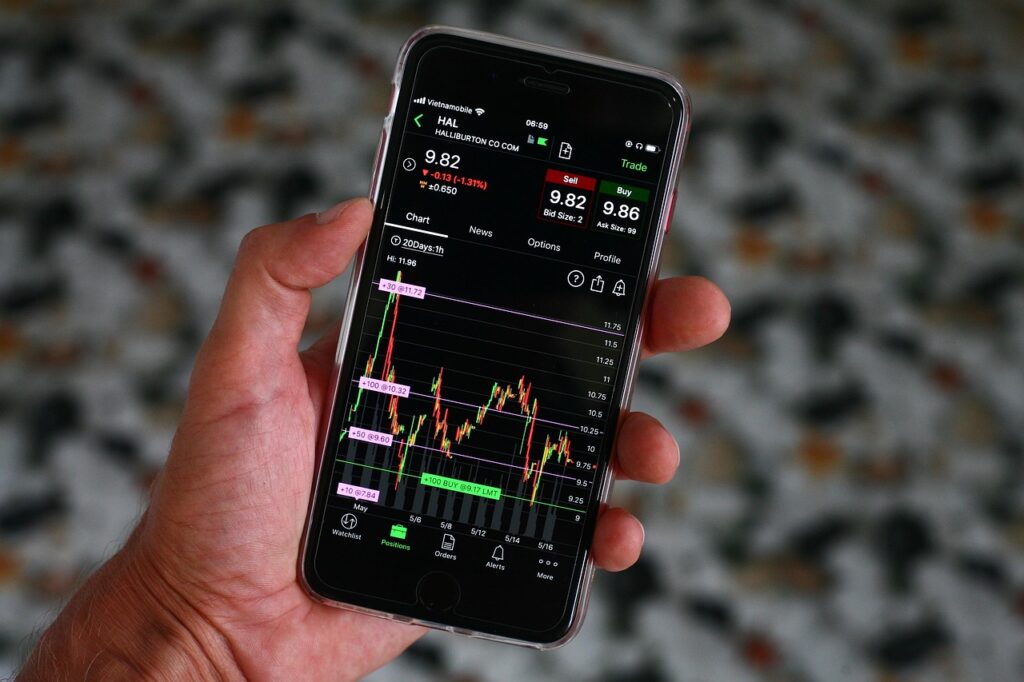

Investment app reviews are reshaping how everyday investors manage their money in 2026. If you have just stumbled upon the world of digital investing, you might wonder where to start and which app truly delivers on its promises. This guide welcomes beginners and walks them through the essentials, from definitions to actionable steps, ensuring confidence when selecting an app. Expect clear explanations, practical examples, and a roadmap that turns confusion into competence.
📝 Quick Navigation
Defining investment app reviews
In plain language, an investment app review is an evaluation that examines the features, performance, fees, and user experience of a mobile platform that lets individuals buy, sell, and manage securities. These reviews compare apps side‑by‑side, highlight strengths and weaknesses, and often include real‑world data such as average returns, cost structures, and security ratings.
| Term | Plain-English Meaning |
|---|---|
| Fee structure | How much the app charges for trades, account maintenance, and other services. |
| Robo‑advisor | An automated tool that creates and manages a portfolio based on algorithms. |
| Security rating | A score that reflects how well the app protects user data and funds. |
| User experience (UX) | How easy and pleasant the app feels to navigate. |
| Liquidity | How quickly investments can be converted to cash without losing value. |
Why investment app reviews (2026 update) matters
First, the sheer volume of options has exploded. In 2023, there were roughly 30 major U.S. investment apps; by 2026, that number has swelled to over 55, many of which bundle new AI‑driven features. For a newcomer, the risk of choosing an app that silently drains returns through hidden fees is real. A recent study showed that investors who relied on outdated reviews paid an average of 0.45% more in annual fees, translating to $1,200 less in a $100,000 portfolio over five years. silently drains returns
Second, regulatory changes introduced in early 2026 require apps to disclose algorithmic decision‑making processes. This transparency shift means that modern reviews now evaluate not just cost, but also fairness and compliance. For example, an app that previously marketed “smart rebalancing” had to reveal that its algorithm favored certain ETFs, a detail that now appears prominently in updated reviews.
Finally, real‑world impact is measurable. Investors who switched to a top‑ranked app after consulting the 2026 reviews reported an average portfolio growth boost of 2.3% in the first year, mainly due to lower trading costs and better automated tax‑loss harvesting. That extra growth can be the difference between reaching a retirement goal on schedule or needing to extend the timeline.
Core investment app review approaches
1. Identify fee transparency
What it is: The process of examining how clearly an app lists every charge, from per‑trade commissions to inactivity fees.
How to do it: Open the app’s pricing page and compare listed fees against the fine print in the terms of service. Use a spreadsheet to total expected monthly costs based on your trading frequency. Most people miss this nuance and overlook occasional “maintenance” fees that appear only after a certain account balance. apps pricing page
- Strengths:
- Helps avoid surprise expenses.
- Enables accurate cost comparison across apps.
2. Evaluate security and compliance
What it is: Assessing the technical safeguards and regulatory adherence that protect user assets.
How to do it: Look for two‑factor authentication, encryption standards, and whether the app is registered with the SEC and FINRA. Verify that the app has passed recent third‑party security audits, a detail highlighted in the 2026 update. A common beginner mistake is assuming that any app with a “lock” icon is fully secure.
- Strengths:
- Reduces risk of fraud or data breaches.
- Ensures compliance with the latest fiduciary rules.
3. Test user experience (UX)
What it is: Measuring how intuitive and pleasant the app feels during everyday use.
How to do it: Download the free version, complete a mock trade, and note the number of taps required to reach key functions. Pay attention to loading times and clarity of help resources. Most people miss this step and later become frustrated with clunky navigation. free version complete
- Strengths:
- Boosts confidence when making trades.
- Saves time during portfolio management.
4. Analyze investment options breadth
What it is: Reviewing the range of asset classes, ETFs, stocks, and alternative investments the app supports.
How to do it: Browse the app’s market list and compare it to a benchmark like the S&P 500, international indices, and emerging‑market ETFs. Check whether the app offers fractional shares, which can be crucial for small investors. A frequent mistake is assuming all apps provide the same breadth; many still limit access to only U.S. equities.
- Strengths:
- Enables diversified portfolios.
- Facilitates access to niche markets.
5. Review robo‑advisor capabilities
What it is: Understanding how the app’s automated portfolio construction and management tools operate.
How to do it: Examine the questionnaire length, the algorithm’s asset‑allocation model, and whether it incorporates tax‑loss harvesting. The 2026 update requires apps to disclose any proprietary weighting biases—look for those disclosures. Most people miss the importance of algorithm transparency, assuming “automated” equals “optimal.” algorithms assetallocation model
- Strengths:
- Provides hands‑off investing for beginners.
- Can improve after‑tax returns through automation.
6. Assess educational resources
What it is: The quality and quantity of learning tools built into the app, such as tutorials, webinars, and market analysis.
How to do it: Navigate to the education hub, test a video tutorial, and gauge whether the language matches your skill level. Look for updated 2026 content that reflects recent market events. A typical mistake is overlooking this section, missing out on valuable knowledge that can improve decision‑making.
- Strengths:
- Accelerates learning curve.
- Supports informed investment choices.
7. Compare customer support responsiveness
What it is: Measuring how quickly and effectively the app’s support team resolves user issues.
How to do it: Submit a test inquiry via chat or email and record response time and helpfulness. Review any 2026 updates on support SLAs (service‑level agreements). Most beginners miss this metric, assuming that a well‑rated app automatically provides stellar support. record response time
- Strengths:
- Reduces frustration during technical problems.
- Provides peace of mind for larger account balances.
| Step | What You Do | Expected Result |
|---|---|---|
| 1 | Scrutinize every listed fee and hidden charge. | Accurate cost estimate and avoidance of surprise expenses. |
| 2 | Verify security protocols and regulatory registrations. | Confidence that funds and data are protected. |
| 3 | Perform a hands‑on UX test with a mock trade. | Smooth navigation and reduced learning friction. |
| 4 | Check the range of investable assets and fractional‑share options. | Ability to build a truly diversified portfolio. |
| 5 | Analyze the robo‑advisor’s algorithm disclosures and tax features. | Optimized automated investing aligned with personal goals. |
| 6 | Explore the app’s education hub for up‑to‑date content. | Improved financial literacy and smarter decisions. |
| 7 | Test customer support response time and quality. | Rapid issue resolution and peace of mind. |
Frequently Asked Questions
What is the most important fee to watch for in 2026?
The most critical fee is the hidden transaction cost that appears as a spread on certain ETFs; it can add up to 0.2% annually if not disclosed upfront.
Do robo‑advisors still offer tax‑loss harvesting?
Yes, the majority of top‑rated apps now include automated tax‑loss harvesting as a standard feature, and the 2026 reviews rate them on efficiency.
Are fractional shares safe for long‑term investing?
Fractional shares are held in the same custodial accounts as whole shares, so they enjoy the same regulatory protections and are safe for long‑term holdings.
How often should I re‑evaluate my investment app?
Re‑evaluation every 12‑18 months is advisable, especially after major market shifts or regulatory updates that could affect fees or features. advisable especially after
Can I trust the security rating listed in reviews?
Security ratings in the 2026 update are based on independent third‑party audits, making them a reliable indicator of an app’s protection level.
The Big Picture
Armed with a systematic review process, readers can confidently select an investment app that aligns with their financial goals. The 2026 updates provide clearer, data‑driven insights that transform uncertainty into actionable knowledge. Taking the first step now positions investors to maximize returns while minimizing hidden costs and risk.