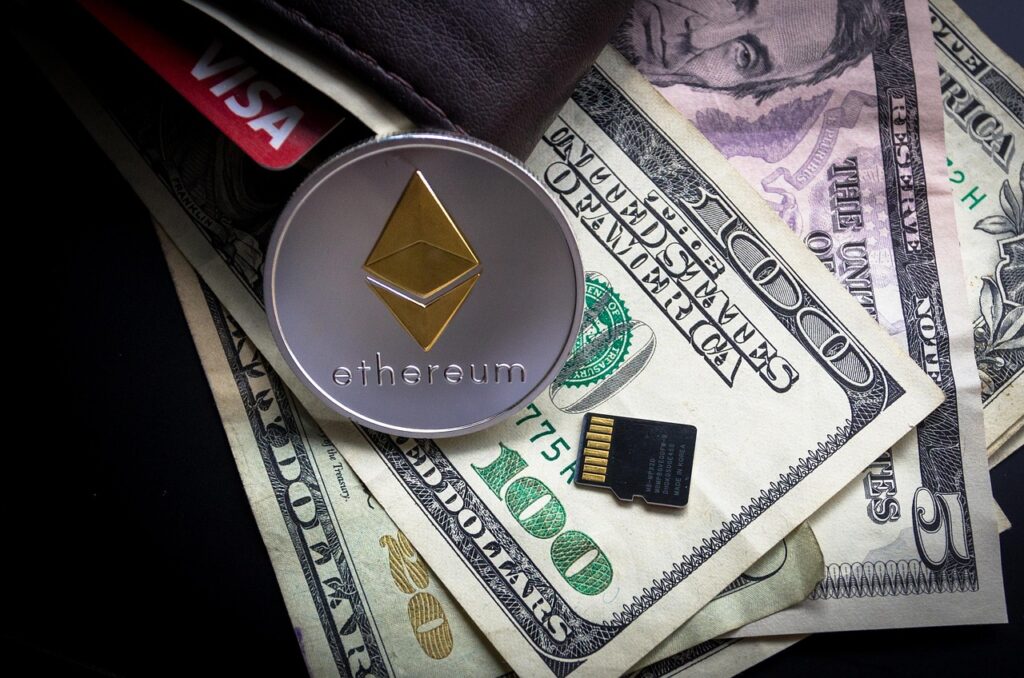

Imagine being able to send and receive cryptocurrencies like Bitcoin or Ethereum with the same ease as sending an email, all while ensuring your transactions are secure and your assets are safe. This is the promise of crypto wallets, which have evolved significantly since the inception of cryptocurrencies. For instance, in 2020, the number of crypto wallet users surpassed 50 million worldwide. Companies like MetaMask and Ledger have been at the forefront of this technology, providing users with both software and hardware solutions to manage their digital assets. As the crypto market continues to grow, so does the importance of secure, user-friendly wallets. The year 2021 saw a significant rise in crypto adoption, with over 100 million users globally, highlighting the need for robust wallet solutions.
The security and efficiency of crypto transactions largely depend on the type of wallet used. From mobile and desktop applications to physical hardware devices, there’s a wide range of options available, each with its own set of features and benefits. For example, hardware wallets like those offered by Trezor and Ledger provide an additional layer of security by storing private keys offline, making them less susceptible to hacking. On the other hand, software wallets like Trust Wallet and Binance Chain Wallet offer greater convenience and accessibility, allowing users to manage their assets on-the-go.
The evolution of crypto wallets is a testament to the growing demand for secure, reliable, and easy-to-use solutions for managing digital assets. As cryptocurrencies become more mainstream, the importance of robust wallet solutions cannot be overstated. Whether you’re a seasoned investor or just starting to explore the world of cryptocurrencies, understanding the different types of wallets and their features is crucial for navigating this space effectively.
With the rise of decentralized finance (DeFi) and non-fungible tokens (NFTs), the role of crypto wallets has expanded beyond mere storage and transaction facilitation. They now serve as gateways to a broader ecosystem of financial services and digital collectibles. This expansion has led to the development of more sophisticated wallets that can handle complex transactions and interact with various blockchain platforms seamlessly.
Given the complexity and the rapidly evolving nature of the cryptocurrency market, it’s essential to have a comprehensive understanding of crypto wallets, their functionalities, and their implications for both individual users and the financial sector as a whole.
📝 What's In This Article
What Is a Crypto Wallet?
A crypto wallet is a software program or physical device that allows users to store, send, and receive digital currencies like Bitcoin, Ethereum, and others. It’s essentially a digital vault that protects, secures, and manages an individual’s cryptocurrency assets. Unlike traditional wallets that hold physical currencies, crypto wallets store the private keys needed to access and manage cryptocurrencies on the blockchain.
The concept of a crypto wallet is somewhat analogous to a traditional bank account, where funds are stored and can be accessed through a debit card or checks. However, crypto wallets operate independently of central banks and are based on cryptographic techniques for securing transactions and controlling the creation of new units.
There are several types of crypto wallets, classified based on their functionality, security level, and accessibility. The main categories include desktop wallets, mobile wallets, online wallets, paper wallets, and hardware wallets. Each type of wallet has its own set of advantages and disadvantages. For example, mobile wallets offer the convenience of managing cryptocurrencies on-the-go but may be more vulnerable to security risks compared to hardware wallets, which store private keys offline.
| Wallet Type | Description | Security Level | Accessibility |
|---|---|---|---|
| Desktop Wallets | Installed on a desktop computer for secure storage and transaction management. | High | Medium |
| Mobile Wallets | Installed on mobile devices for on-the-go access to cryptocurrencies. | Medium | High |
| Online Wallets | Accessible via web browsers, offering ease of use but higher security risks. | Low | High |
| Hardware Wallets | Physical devices that store private keys offline for enhanced security. | Very High | Low |
| Paper Wallets | Physical documents containing private and public keys, used for cold storage. | High | Low |
Key Crypto Wallet Advancements
1. Enhanced Security Measures
The security of crypto wallets has seen significant advancements, with many wallets now incorporating multi-factor authentication, biometric authentication, and encryption techniques to protect user assets. Companies like Ledger and Trezor have developed hardware wallets that store private keys in a secure offline environment, reducing the risk of hacking and theft.
For instance, Ledger’s Nano X wallet includes a Certified Secure Element (SE) chip, which provides an additional layer of security by isolating sensitive operations. This level of security is comparable to those used in highly secure applications such as credit cards and passports.
This emphasis on security reflects the growing awareness of the risks associated with digital currencies and the need for robust protective measures. As the cryptocurrency space evolves, so too do the threats it faces, making continuous innovation in wallet security essential.
- What You Gain:
- Reduced risk of hacking and theft due to advanced authentication and encryption methods.
- Peace of mind knowing that assets are stored securely, both online and offline.
- Compliance with regulatory standards, ensuring that wallets meet or exceed industry security benchmarks.
2. User-Friendly Interfaces
Crypto wallets have evolved to become more user-friendly, making it easier for new users to manage their digital assets. Interfaces are now more intuitive, with features like simplified transaction processes and clear asset overviews. This shift towards user-centric design has lowered the barrier to entry for those interested in cryptocurrencies.
For example, the Trust Wallet app offers a straightforward and clean interface, allowing users to easily send, receive, and store over 160K different assets. This kind of accessibility is crucial for mainstream adoption, as it enables a broader audience to engage with cryptocurrencies without needing extensive technical knowledge.
The development of more intuitive interfaces also reflects the market’s response to user needs, as the simplicity and usability of a wallet can significantly influence a user’s decision to adopt or stick with a particular wallet.
- What You Gain:
- Easier onboarding for new users, reducing the complexity typically associated with cryptocurrency management.
- Streamlined transaction processes, making it faster and more convenient to send and receive digital assets.
- Improved overall user experience, fostering a positive perception of cryptocurrencies and their management tools.
3. Cross-Platform Compatibility
Crypto wallets now offer cross-platform compatibility, allowing users to access and manage their assets across different devices and operating systems. This flexibility is crucial in today’s multi-device world, where users may need to access their wallets from various locations and devices. offer crossplatform compatibility
Wallets like MetaMask, for instance, are available as browser extensions and mobile apps, providing seamless access to Ethereum and other blockchain-based assets regardless of the device or platform being used. This kind of flexibility enhances the user experience and ensures that assets are always accessible.
Cross-platform compatibility also underscores the evolving nature of cryptocurrency usage, where access is no longer confined to a single device or location but is instead ubiquitous and on-demand.
- What You Gain:
- Universal access to your digital assets, regardless of the device or platform you’re using.
- Enhanced flexibility in managing your cryptocurrencies, reflecting the modern, mobile lifestyle.
- Simplified asset management across different platforms, reducing the complexity of maintaining multiple access points.
4. Integration with DeFi and NFTs
The integration of crypto wallets with decentralized finance (DeFi) applications and non-fungible tokens (NFTs) has opened up new avenues for users to engage with the broader cryptocurrency ecosystem. Wallets now serve as gateways to lending platforms, decentralized exchanges (DEXs), and NFT marketplaces, among others.
For example, the Binance Chain Wallet supports the interaction with numerous DeFi applications, enabling users to participate in yield farming, liquidity mining, and other DeFi activities directly from their wallet. This level of integration highlights the expanding role of crypto wallets beyond simple storage and transaction management.
This development also underscores the maturation of the cryptocurrency market, where wallets are no longer isolated tools but are instead part of a larger, interconnected financial system.
- What You Gain:
- Direct access to a wide range of DeFi applications and services, enhancing the utility of your digital assets.
- The ability to purchase, store, and manage NFTs, tapping into the growing digital collectibles market.
- A unified platform for managing all your digital assets and activities, streamlining your engagement with the cryptocurrency ecosystem.
5. Regulatory Compliance
Crypto wallets are increasingly focusing on regulatory compliance, ensuring that they adhere to anti-money laundering (AML) and know-your-customer (KYC) regulations. This shift towards compliance is crucial for the legitimacy and sustainability of the cryptocurrency market, as it helps to mitigate risks and build trust among users and regulatory bodies.
Wallet providers like Coinbase have implemented robust AML/KYC policies, requiring users to verify their identities and ensuring that transactions are monitored for suspicious activity. This level of compliance not only protects users but also contributes to the overall health and stability of the cryptocurrency ecosystem.
The emphasis on regulatory compliance also reflects the growing recognition of cryptocurrencies as a legitimate financial asset class, subject to the same regulatory standards as traditional financial instruments.
- What You Gain:
- Enhanced trust and legitimacy in the cryptocurrency market, as wallets demonstrate their commitment to regulatory standards.
- Protection against fraudulent activities and money laundering, ensuring a safer environment for all users.
- Compliance with international standards, paving the way for broader adoption and recognition of cryptocurrencies in the global financial system.
How This Affects Everyday Life
✔ Convenience and Accessibility
Crypto wallets have made it more convenient for individuals to access and manage their digital assets, offering a level of accessibility that was previously unimaginable. With the ability to send and receive cryptocurrencies from anywhere in the world, the barriers to financial inclusion are being gradually dismantled. This convenience also extends to the management of assets, with wallets providing real-time updates and simplified transaction processes.
How This Affects Everyday Life Continued
✔ Enhanced Security
The security features integrated into modern crypto wallets provide users with a high level of protection against theft and unauthorized access. Advanced encryption, multi-factor authentication, and the use of hardware wallets have significantly reduced the risk of losing digital assets to hackers. This enhanced security not only protects individual assets but also contributes to the overall stability of the cryptocurrency market.
✔ Financial Inclusion
Crypto wallets are playing a crucial role in promoting financial inclusion, particularly in regions where access to traditional banking services is limited. By providing a platform for anyone with an internet connection to store, send, and receive digital assets, crypto wallets are bridging the financial divide. This has the potential to empower millions of people worldwide, offering them a pathway to participation in the global economy.
✔ Diversification of Financial Services
The integration of crypto wallets with DeFi applications and other financial services has led to a diversification of the financial products available to users. From lending and borrowing to yield farming and trading, the range of services accessible through crypto wallets is expanding rapidly. This diversification is not only enriching the cryptocurrency ecosystem but also challenging traditional financial systems to innovate and adapt.
✔ Education and Awareness
The growth of the crypto wallet market has also spurred an increase in education and awareness about cryptocurrencies and blockchain technology. As more people engage with crypto wallets, they are also learning about the underlying principles and potential applications of these technologies. This education is crucial for fostering a knowledgeable and informed community, capable of navigating the complexities of the cryptocurrency space.
✔ Employment and Economic Opportunities
The expansion of the crypto wallet and broader cryptocurrency market is creating new employment and economic opportunities. From developers and designers to financial analysts and marketers, a wide range of skills are in demand as companies strive to innovate and compete in this space. Moreover, the growth of the cryptocurrency ecosystem is also fostering entrepreneurship, with many startups emerging to provide new services and solutions related to crypto wallets and digital assets.
✔ Regulatory Clarification
The increasing use and recognition of crypto wallets are prompting regulatory bodies to provide clearer guidelines and frameworks for the cryptocurrency market. This clarification is essential for ensuring that the market operates in a fair, transparent, and secure manner, which in turn encourages further investment and adoption. As regulations evolve, they are likely to play a pivotal role in shaping the future of crypto wallets and the services they offer.
What Researchers Are Working On
- Predictions suggest that by 2025, the majority of crypto wallets will incorporate artificial intelligence (AI) and machine learning (ML) to enhance security and user experience.
- Researchers are exploring the development of quantum-resistant cryptography to protect crypto wallets against potential attacks from quantum computers.
- There is an increasing focus on multi-chain wallets that can support transactions across different blockchain networks.
- Efforts are being made to improve the user experience of crypto wallets through more intuitive interfaces and simpler transaction processes.
- Researchers are investigating the potential of crypto wallets to serve as more than just storage solutions, but as platforms for a wide range of financial services.
This integration of AI and ML will enable wallets to detect and prevent fraudulent activities more effectively, as well as offer personalized financial services and recommendations to users. Furthermore, AI-driven wallets could automate routine tasks, such as transaction monitoring and asset allocation, freeing up users to focus on more strategic financial decisions.
The advent of quantum computing poses a significant threat to current cryptographic methods, as quantum computers could potentially break through existing encryption standards. Quantum-resistant cryptography aims to develop new encryption algorithms that can withstand quantum computer attacks, ensuring the long-term security of digital assets stored in crypto wallets. This area of research is critical for the future-proofing of crypto wallets and the entire cryptocurrency ecosystem.
As the cryptocurrency market becomes more fragmented, with numerous blockchain platforms emerging, the need for wallets that can interact seamlessly with multiple chains is growing. Multi-chain wallets would allow users to manage a wide range of digital assets from a single interface, facilitating interoperability and reducing the complexity associated with managing assets across different blockchain ecosystems.
Enhancing the user experience is crucial for the mainstream adoption of cryptocurrencies. By making crypto wallets more accessible and easier to use, developers can lower the barrier to entry for new users, thereby expanding the cryptocurrency user base. This could involve streamlining onboarding processes, simplifying asset management, and providing educational resources to help users navigate the cryptocurrency space more effectively.
This vision for the future of crypto wallets sees them evolving into comprehensive financial hubs, offering services such as lending, borrowing, trading, and investment products. By integrating these services into wallets, users could manage all their financial activities from a single, secure platform, revolutionizing the way people interact with financial systems and opening up new opportunities for financial inclusion and growth.
| Wallet Feature | Description | Benefits | Future Developments |
|---|---|---|---|
| Multi-Factor Authentication | A security process that requires more than one method of authentication to access a wallet. | Enhanced security against unauthorized access. | Integration with biometric data for more secure and convenient authentication. |
| Hardware Security Modules (HSMs) | Physical devices that securely store sensitive data and perform cryptographic operations. | High-level protection of private keys and sensitive information. | Advancements in HSM technology to support more complex cryptographic operations and greater security. |
| Decentralized Finance (DeFi) Integration | The ability of wallets to interact with DeFi applications and services. | Access to a wide range of financial services and investment opportunities. | Expansion of DeFi services to include more sophisticated financial products and tools. |
| Non-Fungible Token (NFT) Support | The capability to store, manage, and trade NFTs within a wallet. | Participation in the growing digital collectibles market. | Development of more advanced NFT standards and use cases beyond digital art and collectibles. |
| Artificial Intelligence (AI) and Machine Learning (ML) Integration | The incorporation of AI and ML to enhance wallet security, user experience, and financial services. | Improved security through predictive analytics and automated threat detection. | Further integration of AI and ML to offer personalized financial advice and automated asset management. |
To Sum Up
Crypto wallets have come a long way since their inception, evolving from simple storage solutions to comprehensive platforms that manage digital assets and interact with a broad range of financial services. The advancements in security, user experience, and regulatory compliance have positioned crypto wallets as a critical component of the cryptocurrency ecosystem, facilitating greater adoption and usage of digital currencies. As researchers and developers continue to innovate and expand the capabilities of crypto wallets, these tools are likely to play an increasingly central role in shaping the future of finance and commerce.
The future of crypto wallets holds much promise, with potential developments ranging from enhanced security measures and more intuitive user interfaces to the integration of advanced technologies like AI and ML. As the cryptocurrency market continues to grow and mature, the importance of secure, user-friendly, and feature-rich wallets will only continue to increase, making them an indispensable tool for anyone looking to engage with the world of digital assets.
Ultimately, the story of crypto wallets is one of innovation and adaptation, reflecting the dynamic and rapidly evolving nature of the cryptocurrency space. As this ecosystem continues to expand and diversify, the role of crypto wallets will remain vital, serving not only as secure repositories for digital assets but also as gateways to a new era of financial inclusion, accessibility, and opportunity.