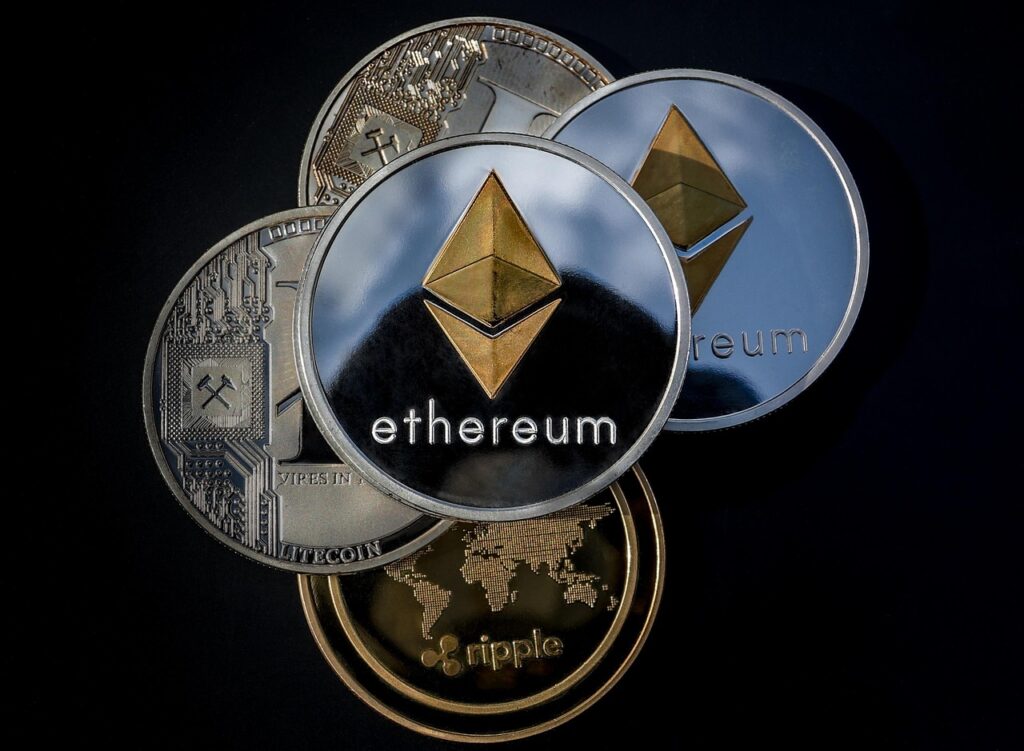

According to recent statistics, over 75% of millennials prefer using digital payment methods for their daily transactions. This shift towards digital payments is not limited to just one age group, as people from all walks of life are embracing this convenient and secure way of making payments. For a beginner who has just discovered the world of digital payments, it can be overwhelming to navigate through the various options and understand how they work. Here’s the key thing to understand: digital payments are not just about convenience, but also about security and speed. As the world becomes increasingly digital, the importance of digital payments cannot be overstated. With the rise of e-commerce and online shopping, digital payments have become an essential part of modern finance.
📝 Contents
Understanding Digital Payments
Digital payments refer to the transfer of funds from one party to another through digital channels, such as online banking, mobile wallets, and credit/debit cards. This type of payment eliminates the need for physical currency, making transactions faster, more convenient, and secure. Most people miss this, but digital payments also provide a record of all transactions, making it easier to track expenses and manage finances.
| Term | Plain-English Meaning |
|---|---|
| Contactless Payment | A payment method that allows users to make transactions without physically swiping or inserting their card. |
| Tokenization | A process that replaces sensitive payment information with a unique token, enhancing security and reducing the risk of fraud. |
| Mobile Wallet | A digital wallet that stores payment information on a mobile device, allowing users to make transactions using their phone. |
| Digital Invoice | An electronic bill or invoice that is sent to customers, allowing them to make payments online or through their mobile device. |
| Biometric Authentication | A security measure that uses unique physical characteristics, such as fingerprints or facial recognition, to verify a user’s identity. |
| Payment Gateway | A service that processes online transactions, connecting merchants with payment processors and banks. |
Why Digital Payments Matters
Digital payments have a significant impact on various aspects of modern finance, including businesses, consumers, and the economy as a whole. For businesses, digital payments provide a secure and efficient way to receive payments, reducing the risk of fraud and increasing customer satisfaction. According to a recent study, businesses that accept digital payments experience a 25% increase in sales and a 30% reduction in transaction costs. For consumers, digital payments offer convenience, speed, and security, making it easier to make transactions on-the-go. With the rise of mobile wallets and contactless payments, consumers can now make transactions without the need for physical currency or cards.
In addition to the benefits for businesses and consumers, digital payments also have a positive impact on the economy. By reducing the need for physical currency, digital payments can help to decrease the cost of printing and distributing cash. According to the Federal Reserve, the cost of printing and distributing cash in the United States alone is over $200 billion annually. Digital payments can also help to increase financial inclusion, providing access to banking services for underserved populations. In developing countries, digital payments have been instrumental in increasing access to financial services, with over 50% of adults in these countries using mobile wallets to make transactions.
Most people are unaware of the fact that digital payments also have a significant impact on the environment. By reducing the need for physical currency and cards, digital payments can help to decrease waste and minimize the carbon footprint associated with the production and transportation of cash. According to a recent study, the production of cash and cards results in over 1 million tons of CO2 emissions annually, which can be significantly reduced through the adoption of digital payments.
Major Digital Payments Developments
1. Contactless Payments
Contactless payments are a type of digital payment that allows users to make transactions without physically swiping or inserting their card. This payment method uses near-field communication (NFC) technology to transmit payment information between the user’s device and the merchant’s terminal. To use contactless payments, users simply need to tap their device on the merchant’s terminal, and the payment will be processed automatically. One common beginner mistake is not understanding the limits of contactless payments, which can vary depending on the merchant and the user’s device.
- Plus Points: Plus Points
- Convenient and fast transactions
- Enhanced security through tokenization
- Wide acceptance at merchants and online retailers
2. Mobile Wallets
Mobile wallets are digital wallets that store payment information on a mobile device, allowing users to make transactions using their phone. Mobile wallets use tokenization to replace sensitive payment information with a unique token, enhancing security and reducing the risk of fraud. To use a mobile wallet, users simply need to download the app, add their payment information, and start making transactions. One common beginner mistake is not understanding how to add multiple payment methods to a mobile wallet, which can be done through the app’s settings.
- Plus Points:
- Convenient and secure way to make transactions
- Ability to store multiple payment methods
- Wide acceptance at merchants and online retailers
3. Digital Invoices
Digital invoices are electronic bills or invoices that are sent to customers, allowing them to make payments online or through their mobile device. Digital invoices use payment gateways to process transactions, connecting merchants with payment processors and banks. To use digital invoices, merchants simply need to create an account with a payment gateway, generate an invoice, and send it to their customers. One common beginner mistake is not understanding how to customize digital invoices, which can be done through the payment gateway’s settings.
- Plus Points:
- Convenient and secure way to receive payments
- Ability to customize invoices with logos and branding
- Wide acceptance at merchants and online retailers
4. Biometric Authentication
Biometric authentication is a security measure that uses unique physical characteristics, such as fingerprints or facial recognition, to verify a user’s identity. Biometric authentication is used in digital payments to provide an additional layer of security, reducing the risk of fraud and identity theft. To use biometric authentication, users simply need to enroll their biometric data, such as their fingerprints or facial recognition, and use it to verify their identity when making transactions. One common beginner mistake is not understanding how to enroll biometric data, which can be done through the device’s settings. uses unique physical
- Plus Points:
- Enhanced security through unique physical characteristics
- Convenient and fast transactions
- Wide acceptance at merchants and online retailers
5. Payment Gateways
Payment gateways are services that process online transactions, connecting merchants with payment processors and banks. Payment gateways use tokenization to replace sensitive payment information with a unique token, enhancing security and reducing the risk of fraud. To use a payment gateway, merchants simply need to create an account, integrate the gateway into their website or app, and start processing transactions. One common beginner mistake is not understanding how to integrate a payment gateway, which can be done through the gateway’s API or SDK.
- Plus Points:
- Convenient and secure way to process transactions
- Ability to connect with multiple payment processors and banks
- Wide acceptance at merchants and online retailers
6. Tokenization
Tokenization is a process that replaces sensitive payment information with a unique token, enhancing security and reducing the risk of fraud. Tokenization is used in digital payments to provide an additional layer of security, making it difficult for hackers to access sensitive payment information. To use tokenization, merchants simply need to integrate a tokenization service into their website or app, and start processing transactions. One common beginner mistake is not understanding how to implement tokenization, which can be done through the tokenization service’s API or SDK.
- Plus Points:
- Enhanced security through unique tokens
- Convenient and fast transactions
- Wide acceptance at merchants and online retailers
7. Blockchain Technology
Blockchain technology is a decentralized ledger that records transactions across a network of computers. Blockchain technology is used in digital payments to provide a secure and transparent way to process transactions, reducing the risk of fraud and identity theft. To use blockchain technology, merchants simply need to integrate a blockchain-based payment system into their website or app, and start processing transactions. One common beginner mistake is not understanding how to implement blockchain technology, which can be done through the blockchain-based payment system’s API or SDK.
- Plus Points:
- Enhanced security through decentralized ledger
- Convenient and fast transactions
- Wide acceptance at merchants and online retailers
| Step | What You Do | Expected Result |
|---|---|---|
| 1. Contactless Payments | Tap device on merchant’s terminal | Fast and secure transaction |
| 2. Mobile Wallets | Download app, add payment information | Convenient and secure transactions |
| 3. Digital Invoices | Create account, generate invoice | Fast and secure payments |
| 4. Biometric Authentication | Enroll biometric data, verify identity | Enhanced security and fast transactions |
| 5. Payment Gateways | Create account, integrate gateway | Convenient and secure transactions |
| 6. Tokenization | Integrate tokenization service | Enhanced security and fast transactions |
| 7. Blockchain Technology | Integrate blockchain-based payment system | Secure and transparent transactions |
Frequently Asked Questions
What is Digital Payment?
Digital payment refers to the transfer of funds from one party to another through digital channels, such as online banking, mobile wallets, and credit/debit cards. Digital payments eliminate the need for physical currency, making transactions faster, more convenient, and secure.
How Do I Use Digital Payments?
To use digital payments, you simply need to choose a digital payment method, such as a mobile wallet or online banking, and follow the instructions to make a transaction. Most digital payment methods require you to add your payment information, such as your credit/debit card details, and then you can start making transactions.
Are Digital Payments Secure?
Digital payments are generally secure, as they use advanced security measures, such as tokenization and biometric authentication, to protect sensitive payment information. However, as with any payment method, there is always a risk of fraud or identity theft, so it’s essential to take precautions, such as keeping your device and payment information secure.
Can I Use Digital Payments Abroad?
Yes, you can use digital payments abroad, as many digital payment methods, such as mobile wallets and online banking, are accepted internationally. However, it’s essential to check with your payment provider to see if there are any restrictions or fees associated with using digital payments abroad.
What Are the Benefits of Digital Payments?
The benefits of digital payments include convenience, speed, and security. Digital payments also provide a record of all transactions, making it easier to track expenses and manage finances. Additionally, digital payments can help to reduce the risk of fraud and identity theft, as they use advanced security measures to protect sensitive payment information.
To Sum Up
Digital payments are revolutionizing the way people make transactions, offering convenience, speed, and security. By understanding the different types of digital payments, such as contactless payments, mobile wallets, and digital invoices, individuals can take advantage of the benefits of digital payments and make their financial lives easier. With the rise of digital payments, it’s essential to stay informed and adapt to the changing landscape of modern finance.
Here’s the key thing to understand: digital payments are not just about convenience, but also about security and speed. As the world becomes increasingly digital, the importance of digital payments cannot be overstated. By embracing digital payments, individuals can experience the benefits of fast, secure, and convenient transactions, and take their financial lives to the next level.
To wrap up, digital payments are an essential part of modern finance, and it’s crucial to understand the different types of digital payments, their benefits, and how to use them. By doing so, individuals can make informed decisions about their financial lives and take advantage of the convenience, speed, and security that digital payments offer.