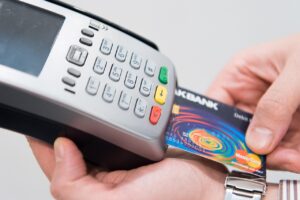

According to recent data, over 50% of consumers worldwide use digital wallets for online transactions, with this number expected to grow to 75% by 2025. Given the increasing popularity of digital wallets, selecting the right approach matters significantly. Data from 2024 suggests that digital wallet users are more likely to complete transactions and have higher average order values compared to traditional payment methods. However, with numerous options available, users must understand the pros and cons of each digital wallet to make informed decisions. The choice of digital wallet can impact user experience, security, and ultimately, the success of online transactions. Choosing the right digital wallet is crucial for both consumers and businesses.
📝 Table of Contents
What Is a Digital Wallet?
A digital wallet, also known as an e-wallet, is a software-based system that securely stores users’ payment information and passwords for numerous payment methods and websites. By using a digital wallet, users can make transactions online or in-person without the need for physical credit or debit cards. Industry studies show that digital wallets enhance the checkout experience, reducing cart abandonment rates and increasing transaction speeds. To evaluate digital wallets, several key metrics should be considered, as outlined in the following table:
| Digital Wallet | Security Features | Compatibility | Fees |
|---|---|---|---|
| Apple Pay | Tokenization, Biometric Authentication | iOS, watchOS, macOS | No fees for consumers |
| Google Pay | Tokenization, 2-Step Verification | Android, iOS | No fees for consumers |
| PayPal | Encryption, 2-Factor Authentication | Web, Android, iOS | Varying fees for merchants |
| Samsung Pay | Tokenization, Fingerprint Recognition | Android | No fees for consumers |
Understanding these metrics is crucial for users to make informed decisions about which digital wallet best suits their needs. Digital wallets vary widely in terms of their security features, compatibility with different devices and operating systems, and the fees associated with their use. By considering these factors, users can select a digital wallet that enhances their transaction experience while minimizing risks and costs.
Digital Wallet Methods Worth Knowing
Apple Pay
Apple Pay is a digital wallet developed by Apple Inc., allowing users to make payments in-person, online, and in-app. Apple Pay is known for its ease of use and high level of security, utilizing tokenization and biometric authentication to protect user data.
- What You Gain:
- Convenience of making payments with Apple devices
- Enhanced security through tokenization and biometric authentication
- Wide acceptance at merchants worldwide
- Hurdles to Overcome:
- Limited compatibility with non-Apple devices
- Requires setup and addition of payment methods
Best for: Apple device users seeking a seamless and secure payment experience.
Google Pay
Google Pay is a digital wallet platform developed by Google, enabling users to make payments online, in-app, and in-person using their Android or iOS devices. Google Pay offers a user-friendly experience and robust security features, including tokenization and 2-step verification.
- What You Gain:
- Wide compatibility with Android and iOS devices
- Simplified checkout experience online and in-app
- No fees for consumers
- Hurdles to Overcome:
- Requires a Google account for setup
- May not be compatible with all payment methods
Best for: Users of both Android and iOS devices looking for a versatile digital wallet solution.
PayPal
PayPal is one of the oldest and most recognized digital wallet services, allowing users to make online payments, send and receive money, and even make in-person payments through select merchants. PayPal offers a range of security features, including encryption and 2-factor authentication.
- What You Gain:
- Established reputation and wide merchant acceptance
- Ability to send and receive money internationally
- Funds can be transferred to bank accounts or debit cards
- Hurdles to Overcome:
- Fees apply to certain transactions, such as cross-border payments
- Customer service can be inconsistent
Best for: Individuals and businesses needing to make and receive international payments, and those who value the flexibility of sending and receiving money through various channels.
Samsung Pay
Samsung Pay is a digital wallet and mobile payment service developed by Samsung Electronics, allowing users to make payments in-person and online using their Samsung devices. Samsung Pay offers tokenization and fingerprint recognition for enhanced security.
- What You Gain:
- Convenience of making payments with Samsung devices
- High level of security through tokenization and biometric authentication
- No fees for consumers
- Hurdles to Overcome:
- Limited compatibility outside of Samsung devices
- Setup and addition of payment methods required
Best for: Samsung device users seeking a secure and convenient payment method.
Amazon Pay
Amazon Pay is a digital wallet service provided by Amazon, allowing users to make payments online, in-app, and in-person using the payment methods stored in their Amazon account. Amazon Pay offers a seamless checkout experience and robust security features, including encryption.
- What You Gain:
- Fast and secure checkout experience on Amazon and other websites
- No fees for consumers
- Wide compatibility with various payment methods
- Hurdles to Overcome:
- Requires an Amazon account for setup
- May not offer the same level of security as other digital wallets
Best for: Frequent Amazon shoppers and users of other websites that accept Amazon Pay, looking for a quick and secure checkout experience.
| Option | Best For | Difficulty | Cost | Speed |
|---|---|---|---|---|
| Apple Pay | Apple device users | Easy | No fees | Fast |
| Google Pay | Android and iOS users | Easy | No fees | Fast |
| PayPal | International transactions and online payments | Medium | Varying fees | Medium |
| Samsung Pay | Samsung device users | Easy | No fees | Fast |
| Amazon Pay | Amazon and other online shoppers | Easy | No fees | Fast |
How to Choose the Right One
Choosing the right digital wallet involves considering several key factors, including security features, compatibility with various devices and operating systems, fees associated with transactions, and the speed of transactions. Users must also consider their specific needs, such as the requirement for international transactions or the ability to send and receive money. By evaluating these factors and understanding the pros and cons of each digital wallet, users can make an informed decision that best suits their needs.
Industry reports suggest that the most critical factor for users is the security of their financial information. Digital wallets that offer robust security features, such as tokenization and biometric authentication, are generally preferred. However, the ease of use and setup of the digital wallet is also a significant consideration, as users seek convenient and hassle-free transaction experiences.
Data from 2024 indicates that the majority of digital wallet users value the convenience and speed of transactions. Therefore, digital wallets that offer fast transaction processing and seamless checkout experiences are highly regarded. Moreover, the compatibility of the digital wallet with various devices and operating systems is crucial, as users often utilize multiple devices for their transactions. digital wallet users
In addition to these factors, the fees associated with using a digital wallet can be a significant consideration. While many digital wallets do not charge consumers fees for transactions, some may impose fees on merchants or for certain types of transactions, such as cross-border payments. Users must carefully evaluate the fee structure of each digital wallet to ensure it aligns with their needs and budget.
Lastly, the reputation and trustworthiness of the digital wallet provider are essential. Users should opt for well-established and reputable providers that have a track record of securely handling financial transactions and protecting user data. By considering these factors and weighing the pros and cons of each digital wallet, users can select the best option for their specific needs.
What This Means in Practice
The choice of digital wallet has significant implications for both consumers and businesses. For consumers, the right digital wallet can provide a convenient, secure, and fast transaction experience, enhancing their overall shopping experience. By using a digital wallet, consumers can avoid the hassle of carrying physical credit or debit cards and reduce the risk of fraud associated with traditional payment methods.
For businesses, offering digital wallet payment options can increase customer satisfaction, reduce cart abandonment rates, and enhance the overall checkout experience. By integrating digital wallets into their payment systems, businesses can cater to a wider range of customers, including those who prefer the convenience and security of digital payments.
Furthermore, digital wallets can facilitate international transactions, enabling businesses to expand their customer base globally. With the ability to send and receive money across borders, digital wallets can play a critical role in international trade and commerce, fostering economic growth and development.
In addition, digital wallets can provide valuable insights and data on consumer spending habits and transaction patterns. By analyzing this data, businesses can gain a deeper understanding of their customers’ needs and preferences, allowing them to tailor their marketing strategies and improve their services.
The use of digital wallets also promotes financial inclusion, as they can provide access to financial services for underserved populations. By offering digital payment options, businesses can reach a broader audience, including those who may not have access to traditional banking services.
Lastly, digital wallets can contribute to a reduction in fraud and cybercrime, as they often employ advanced security features and encryption to protect user data. By utilizing digital wallets, consumers and businesses can minimize the risks associated with traditional payment methods, creating a safer and more secure transaction environment.
To Sum Up
To wrap up, selecting the right digital wallet is a critical decision that requires careful consideration of several key factors, including security features, compatibility, fees, and transaction speed. By evaluating these factors and understanding the pros and cons of each digital wallet, users can make an informed decision that best suits their needs. Digital wallets offer numerous benefits, including convenience, security, and financial inclusion, and their use is expected to continue growing in the coming years. As the digital payment landscape evolves, it is essential for consumers and businesses to stay informed about the latest developments and trends in digital wallets to maximize their benefits and minimize their risks.
The future of digital wallets looks promising, with advancements in technology and security features expected to further enhance the user experience. As more businesses and consumers adopt digital wallets, the demand for secure, convenient, and fast transaction solutions will continue to drive innovation in the digital payment industry.
Ultimately, the choice of digital wallet will depend on individual needs and preferences. By considering the factors outlined in this guide and staying up-to-date with the latest developments in digital wallets, users can navigate the complex landscape of digital payments and select the best digital wallet for their specific requirements.