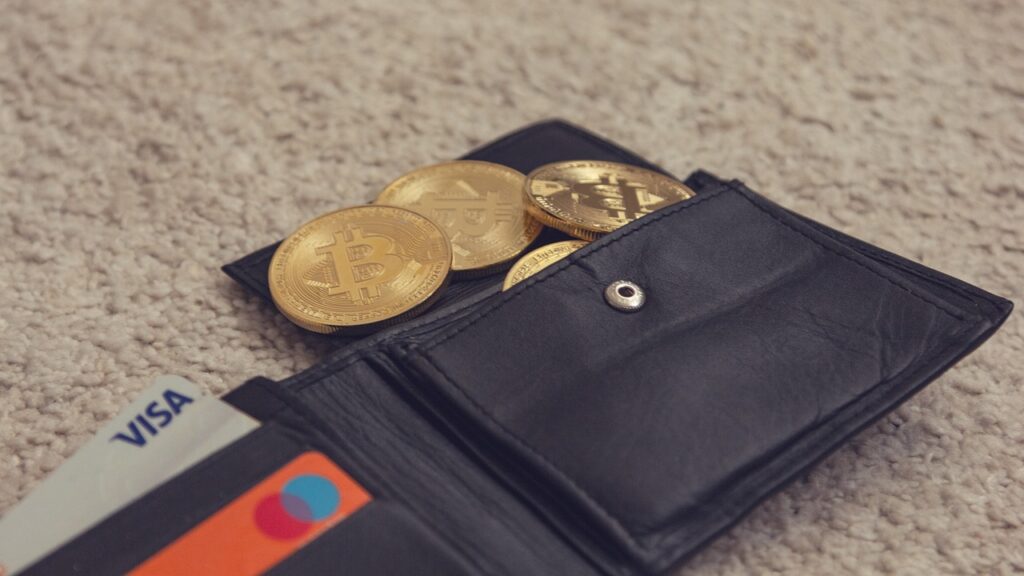

For those who are new to the world of cryptocurrency, it might come as a surprise that over 100 million people worldwide use crypto wallets to store their digital assets. This statistic is a testament to the growing popularity and adoption of cryptocurrencies. As a beginner, understanding what a crypto wallet is and how it works can seem daunting, but it’s actually quite straightforward. A crypto wallet is not a physical container but rather a software program that allows users to securely store, send, and receive digital currencies like Bitcoin and Ethereum. Crypto wallets use advanced cryptography (a method of secure communication — a way of hiding the meaning of a message) to protect transactions and control the creation of new units.
📝 Quick Navigation
The Basics of Crypto Wallet
A crypto wallet, in plain language, is a software program that allows users to store, send, and receive digital currencies in a secure manner. It’s essentially like a digital bank account but instead of storing traditional fiat currencies, it stores cryptocurrencies. The core function of a crypto wallet is to facilitate safe and efficient transactions by using cryptographic techniques (a method of secure communication — a way of hiding the meaning of a message) to protect the transaction and control the creation of new units.
| Term | Plain-English Meaning |
|---|---|
| Cryptocurrency | A digital or virtual currency that uses cryptography (a method of secure communication — a way of hiding the meaning of a message) for security and is decentralized, meaning it’s not controlled by any government or institution. |
| Blockchain | A public ledger (a book or digital file that records transactions) that records all transactions made with a particular cryptocurrency, allowing for secure, transparent, and tamper-proof data storage. |
| Private Key | A secret code (like a very long, complex password) that is used to spend or transfer cryptocurrencies stored in a crypto wallet, similar to how an ATM PIN is used to access a bank account. |
| Public Key | A publicly accessible code (similar to an email address) that is derived from the private key and is used to receive cryptocurrencies, allowing others to send money without needing to know the private key. |
| Seed Phrase | A list of words that is used to restore a crypto wallet and access its associated cryptocurrencies in case the wallet is lost, stolen, or destroyed, acting as a backup for the private keys. |
| Transaction Fee | A small amount of cryptocurrency that is paid to the miners (people who use powerful computers to solve complex mathematical problems and validate transactions on the blockchain) as a reward for validating transactions and adding them to the blockchain. |
Why Crypto Wallet Matters
Crypto wallets play a crucial role in the cryptocurrency ecosystem. They offer users a secure way to manage their digital assets, protecting them from theft and unauthorized access. With a crypto wallet, users can buy, sell, and exchange various cryptocurrencies, making them an indispensable tool for anyone looking to engage with the cryptocurrency market. Moreover, crypto wallets are not just limited to storing cryptocurrencies; they can also be used to interact with decentralized applications (dApps — applications that run on a blockchain network, offering services like lending, borrowing, and gaming) and to participate in decentralized finance (DeFi — a sector of the cryptocurrency industry that focuses on financial services and products).
The impact of crypto wallets can be seen in the real world, where they have enabled new financial possibilities for millions of people. For instance, in countries with unstable economies or underdeveloped banking systems, crypto wallets have provided individuals with a means to securely store value and make cross-border transactions without the need for traditional banking infrastructure. This has been particularly beneficial for small businesses and freelancers who rely on international payments.
In terms of numbers, the global crypto wallet market is expected to grow significantly over the next few years, with estimates suggesting it will reach over $30 billion by 2025, growing at a compound annual growth rate (CAGR — the rate of return of an investment over a specified period) of around 25%. This growth is driven by increasing adoption of cryptocurrencies, advancements in wallet technology, and the expanding use of blockchain in various industries.
Top Crypto Wallet Innovations to Know
1. Hardware Wallets
A hardware wallet is a physical device that stores a user’s private keys offline, offering an additional layer of security against hacking and cyber theft. Hardware wallets are designed to be highly secure and are considered one of the safest ways to store cryptocurrencies.
To use a hardware wallet, users first need to set it up by creating a PIN and generating a recovery seed phrase. Once set up, the wallet can be connected to a computer or mobile device to manage cryptocurrencies. A common beginner mistake is not keeping the recovery seed phrase in a secure location, which can lead to loss of access to the wallet and its associated funds.
Key Benefits:
- Highly secure, reducing the risk of hacking and theft
- Easy to use, with intuitive interfaces for managing cryptocurrencies
- Supports a wide range of cryptocurrencies, allowing for diversification of digital assets
2. Software Wallets
A software wallet, also known as a digital wallet, is a program that runs on a computer or mobile device, allowing users to store, send, and receive digital currencies. Software wallets are more convenient than hardware wallets but are also more vulnerable to cyber-attacks.
To use a software wallet, users download and install the wallet software, then follow the setup instructions to create a new wallet. This usually involves generating a private key and a public key. A common mistake beginners make is using weak passwords or not enabling two-factor authentication (2FA — an additional security step that requires a user to provide two different authentication factors to access an account), which can compromise the security of the wallet.
Key Benefits:
- Convenient and accessible from anywhere with an internet connection
- Fast transaction processing times, allowing for quick sending and receiving of cryptocurrencies
- Often free or low-cost, making it an affordable option for managing digital assets
3. Mobile Wallets
A mobile wallet is a type of software wallet that runs on a smartphone, offering users the ability to store, send, and receive cryptocurrencies on-the-go. Mobile wallets are convenient for everyday transactions but require strong security measures to protect against mobile-specific threats.
To use a mobile wallet, users download the wallet app from their device’s app store, then follow the setup process. This includes creating a new wallet, setting up a PIN or biometric authentication, and optionally enabling additional security features like 2FA. A common mistake is not regularly updating the wallet app, which can leave it vulnerable to newly discovered security exploits.
Key Benefits:
- Highly portable and accessible, allowing for easy management of cryptocurrencies from anywhere
- Supports contactless payments, making it easy to use cryptocurrencies for everyday purchases
- Often includes additional features like price tracking and news updates, keeping users informed about market trends
4. Desktop Wallets
A desktop wallet is a software wallet that runs on a personal computer, providing a secure environment for storing and managing cryptocurrencies. Desktop wallets are less portable than mobile wallets but can offer more advanced features and better security. personal computer providing
To use a desktop wallet, users download and install the wallet software on their computer, then follow the setup instructions. This typically involves generating a new wallet, setting up a strong password, and optionally configuring additional security settings. A common beginner mistake is not using full-disk encryption (a method of securing data by converting it into an unreadable code) on the computer, which can leave the wallet and its associated data vulnerable in case the computer is stolen or compromised.
Key Benefits:
- Offers advanced security features, such as encryption and 2FA, for enhanced protection of cryptocurrencies
- Supports a wide range of cryptocurrencies, allowing users to diversify their digital assets
- Often includes tools for more complex transactions and operations, catering to advanced users
5. Paper Wallets
A paper wallet is a physical document that contains a user’s public and private keys, used for storing cryptocurrencies offline. Paper wallets are highly secure but are also impractical for regular use due to the need to manually enter long strings of characters for transactions.
To use a paper wallet, users first generate a new wallet using a secure computer and then print out the wallet details. It’s crucial to store the paper wallet in a safe place, protected from physical damage and unauthorized access. A common mistake is not using a secure method to generate the wallet, which can compromise its security from the start.
Key Benefits:
- Extremely secure, as it’s not connected to the internet and thus not vulnerable to hacking
- Low-cost, as it doesn’t require any special hardware beyond a printer
- Simple to use for storing cryptocurrencies, with minimal technical knowledge required
6. Online Wallets
An online wallet, also known as a web wallet, is a type of software wallet that is accessible through a web browser. Online wallets are convenient but are also more vulnerable to hacking and cyber theft due to their online nature.
To use an online wallet, users create an account on the wallet’s website, then follow the setup instructions. This involves generating a new wallet, setting up a strong password, and optionally enabling 2FA. A common beginner mistake is using an online wallet that is not reputable or secure, which can lead to loss of funds.
Key Benefits:
- Accessible from any device with an internet connection, offering high convenience
- Supports fast and easy transactions, with minimal technical knowledge required
- Often includes additional services like exchange and trading functionalities, making it a one-stop solution for cryptocurrency management
7. Custodial Wallets
A custodial wallet is a type of wallet where the private keys are managed by a third-party service, such as a cryptocurrency exchange. Custodial wallets are convenient for beginners but come with the risk of the third party being hacked or going out of business.
To use a custodial wallet, users typically sign up for an account with the service provider, then deposit their cryptocurrencies into the wallet. The service provider manages the wallet’s private keys and facilitates transactions. A common mistake is not understanding the terms of service, including any fees associated with using the wallet.
Key Benefits:
- Convenient for beginners, as it simplifies the process of managing cryptocurrencies
- Often includes additional features like simplified transaction processes and user-friendly interfaces
- Can offer better security than self-managed wallets for those who are not tech-savvy, as the burden of security falls on the service provider
| Step | What You Do | Expected Result |
|---|---|---|
| 1. Choose a Wallet Type | Select a wallet that fits your needs (hardware, software, mobile, etc.) | Secure and convenient storage for your cryptocurrencies |
| 2. Set Up Your Wallet | Follow the setup instructions provided by the wallet | A fully functional wallet ready for use |
| 3. Secure Your Wallet | Enable all recommended security features (2FA, strong password, etc.) | Enhanced protection against unauthorized access and theft |
| 4. Fund Your Wallet | Deposit cryptocurrencies into your wallet | Your wallet is funded and ready for transactions |
| 5. Manage Your Cryptocurrencies | Use your wallet to send, receive, and store cryptocurrencies | Efficient management of your digital assets |
| 6. Monitor and Update | Regularly check for updates and ensure your wallet software is current | Your wallet remains secure and compatible with the latest blockchain updates |
| 7. Back Up Your Wallet | Create a backup of your wallet, following the wallet’s instructions | Your wallet and associated cryptocurrencies are protected against loss or damage |
Frequently Asked Questions
What is the Most Secure Type of Crypto Wallet?
The most secure type of crypto wallet is generally considered to be a hardware wallet, as it stores private keys offline and offers advanced security features like 2FA and full-disk encryption. However, the best wallet for an individual depends on their specific needs and how they plan to use their cryptocurrencies. most secure type
How Do I Choose the Right Crypto Wallet for Me?
Choosing the right crypto wallet involves considering factors like security, ease of use, the types of cryptocurrencies supported, and the wallet’s compatibility with your devices. It’s also important to read reviews and do research to ensure the wallet provider is reputable and trustworthy.
What Happens if I Lose My Crypto Wallet or it Gets Stolen?
If a crypto wallet is lost or stolen, the user risks losing access to their cryptocurrencies unless they have a backup of their wallet. It’s crucial to follow the wallet provider’s instructions for creating backups and to store these backups securely. In some cases, if the wallet is a custodial wallet managed by a reputable service, the provider may be able to assist in recovering access.
Can I Use a Crypto Wallet for Everyday Purchases?
Yes, crypto wallets can be used for everyday purchases, especially with the increasing adoption of cryptocurrencies by merchants. Mobile wallets and online wallets are particularly convenient for this purpose, as they can be easily accessed and used for transactions on the go.
How Do I Keep My Crypto Wallet Secure?
Keeping a crypto wallet secure involves using strong passwords, enabling 2FA, keeping the wallet software up to date, and being cautious of phishing attempts and other scams. For hardware wallets, it’s also important to store the device in a safe place and to use a secure method to generate and store the seed phrase.
Closing Thoughts
Crypto wallets are a fundamental component of the cryptocurrency ecosystem, offering users a secure and efficient way to manage their digital assets. By understanding the different types of wallets available and how to use them securely, individuals can fully participate in the cryptocurrency market. Whether for investment, everyday transactions, or simply as a way to store value, crypto wallets provide the necessary tools for anyone looking to engage with cryptocurrencies. With the continuous evolution of wallet technology, it’s an exciting time to explore the possibilities that crypto wallets have to offer.
The key to successfully using a crypto wallet is a combination of choosing the right wallet for your needs, following best practices for security, and staying informed about updates and developments in the cryptocurrency space. As the use of cryptocurrencies becomes more widespread, the importance of crypto wallets will only continue to grow.
Ultimately, the world of crypto wallets is accessible to anyone with an interest in cryptocurrencies, regardless of their level of technical expertise. By taking the first step and exploring the different types of wallets and their features, individuals can begin their path into the world of cryptocurrency management and start to unlock its full potential.