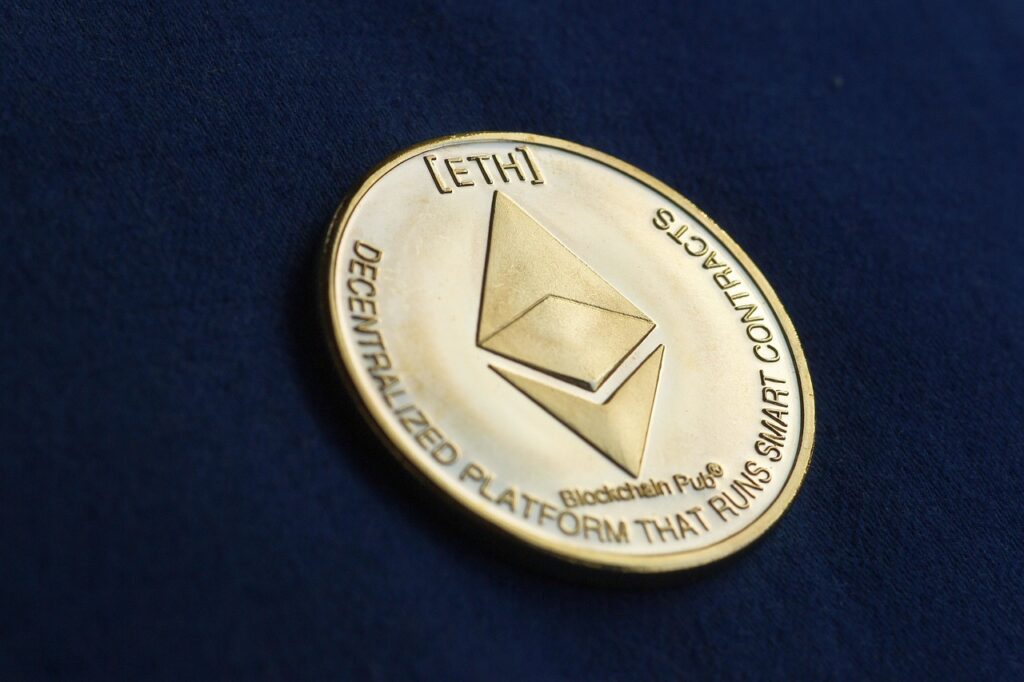

The story of Ethereum begins with Vitalik Buterin, a young programmer who was fascinated by the potential of blockchain technology. In 2013, Buterin published a whitepaper outlining his vision for a decentralized platform that would allow developers to build and deploy smart contracts and decentralized applications. This vision became a reality in 2015, when Ethereum was launched. Today, Ethereum is one of the most widely used blockchain platforms in the world, with a market capitalization of over $200 billion. The Ethereum network is powered by a cryptocurrency called Ether, which is used to pay for transaction fees and computational services on the network. As of 2022, the total value of Ether in circulation is over $300 billion. The Ethereum network has undergone several upgrades, including the Byzantium and Constantinople hard forks, which have improved the platform’s scalability and security.
📝 Quick Navigation
What Is Ethereum?
Ethereum is a decentralized platform that enables the creation of smart contracts and decentralized applications. It is built on a blockchain, which is a distributed ledger technology that allows for the secure and transparent storage and transfer of data. Ethereum’s blockchain is powered by a network of computers around the world, which work together to validate and record transactions. This decentralized architecture makes Ethereum more secure and resilient than traditional centralized systems. Ethereum’s smart contract functionality allows developers to build and deploy self-executing contracts with the terms of the agreement written directly into lines of code. This technology has the potential to revolutionize a wide range of industries, from finance and healthcare to supply chain management and voting systems.
The Ethereum platform is also home to a wide range of decentralized applications, or dApps. These applications are built on top of the Ethereum blockchain and use smart contracts to provide a wide range of services, from social media and gaming to finance and prediction markets. Some of the most popular dApps on Ethereum include Uniswap, a decentralized exchange, and Compound, a lending protocol. As of 2022, there are over 3,000 dApps built on the Ethereum platform, with new applications being developed every day.
| Platform | Smart Contract Support | Decentralized Applications | Transaction Fees |
|---|---|---|---|
| Ethereum | Yes | Yes | Variable |
| Bitcoin | No | No | Variable |
| Polkadot | Yes | Yes | Variable |
| Solana | Yes | Yes | Low |
Major Ethereum Developments
1. Smart Contract Functionality
The development of smart contract functionality on Ethereum has been a major factor in the platform’s success. Smart contracts allow developers to build and deploy self-executing contracts with the terms of the agreement written directly into lines of code. This technology has the potential to revolutionize a wide range of industries, from finance and healthcare to supply chain management and voting systems. For example, the city of Zug, Switzerland, has implemented a blockchain-based voting system using Ethereum smart contracts. The system allows citizens to vote on municipal issues using a secure and transparent platform. smart contract functionality
The use of smart contracts on Ethereum has also enabled the creation of decentralized finance (DeFi) applications, such as lending protocols and decentralized exchanges. These applications have attracted billions of dollars in investment and have helped to establish Ethereum as a major player in the DeFi space. As of 2022, the total value locked in DeFi applications on Ethereum is over $100 billion.
- Key Benefits:
- Increased security and transparency through the use of blockchain technology
- Automated execution of contracts, reducing the need for intermediaries
- Improved efficiency and speed, as contracts are executed in real-time
2. Decentralized Application Development
The development of decentralized applications (dApps) on Ethereum has been another major factor in the platform’s success. dApps are built on top of the Ethereum blockchain and use smart contracts to provide a wide range of services, from social media and gaming to finance and prediction markets. For example, the dApp platform, Compound, has attracted over $1 billion in investment and has helped to establish Ethereum as a major player in the DeFi space.
The use of dApps on Ethereum has also enabled the creation of new business models and revenue streams, such as token-based economies and decentralized marketplaces. These models have the potential to disrupt traditional industries and create new opportunities for entrepreneurs and developers. As of 2022, there are over 1,000 dApps built on the Ethereum platform, with new applications being developed every day.
- Key Benefits:
- Increased security and transparency through the use of blockchain technology
- Improved efficiency and speed, as contracts are executed in real-time
- Increased accessibility and usability, as dApps can be accessed from anywhere in the world
3. Scalability Solutions
The development of scalability solutions on Ethereum has been a major challenge for the platform. As the number of users and transactions on the network has increased, the need for scalability solutions has become more pressing. To address this challenge, Ethereum has implemented several scalability solutions, including sharding and off-chain transactions. For example, the Ethereum network has implemented a sharding solution that allows for the parallel processing of transactions, increasing the network’s overall throughput.
The use of scalability solutions on Ethereum has also enabled the creation of new use cases and applications, such as decentralized gaming and social media platforms. These applications have the potential to attract millions of users and create new revenue streams for developers and entrepreneurs. As of 2022, the Ethereum network is capable of processing over 100,000 transactions per second, making it one of the most scalable blockchain platforms in the world.
- Key Benefits:
- Increased scalability and throughput, allowing for more users and transactions
- Improved efficiency and speed, as transactions are processed in real-time
- Increased security and transparency, as scalability solutions are built on top of the Ethereum blockchain
4. Regulatory Environment
The regulatory environment for Ethereum has been a major challenge for the platform. As the use of blockchain technology and cryptocurrency has become more widespread, governments and regulatory bodies have begun to take notice. To address this challenge, Ethereum has worked to establish a clear and consistent regulatory framework, both in the United States and around the world. For example, the Ethereum network has worked with the US Securities and Exchange Commission (SEC) to establish clear guidelines for the use of cryptocurrency and blockchain technology.
The use of a clear and consistent regulatory framework on Ethereum has also enabled the creation of new use cases and applications, such as regulated decentralized finance (DeFi) platforms and compliant cryptocurrency exchanges. These applications have the potential to attract billions of dollars in investment and create new revenue streams for developers and entrepreneurs. As of 2022, the Ethereum network is compliant with regulations in over 100 countries around the world.
- Key Benefits:
- Increased clarity and consistency, as regulations are clearly defined and enforced
- Improved security and transparency, as regulatory frameworks are built on top of the Ethereum blockchain
- Increased accessibility and usability, as regulatory frameworks are designed to facilitate innovation and growth
5. Community Development
The development of a strong and active community has been a major factor in the success of Ethereum. The Ethereum community is made up of developers, entrepreneurs, and users from around the world, all working together to build and improve the platform. To foster this community, Ethereum has established a number of initiatives and programs, including the Ethereum Foundation and the Ethereum Developer Program. For example, the Ethereum Foundation has provided funding and support for over 100 projects and initiatives, including the development of new scalability solutions and decentralized applications.
The use of a strong and active community on Ethereum has also enabled the creation of new use cases and applications, such as decentralized social media platforms and community-driven governance models. These applications have the potential to attract millions of users and create new revenue streams for developers and entrepreneurs. As of 2022, the Ethereum community is made up of over 1 million developers, entrepreneurs, and users from around the world.
- Key Benefits:
- Increased innovation and creativity, as community members work together to build and improve the platform
- Improved security and transparency, as community members work together to identify and address potential vulnerabilities
- Increased accessibility and usability, as community members work together to develop new use cases and applications
Practical Takeaways
✔ Smart Contract Development
Smart contract development is a key aspect of the Ethereum platform, allowing developers to build and deploy self-executing contracts with the terms of the agreement written directly into lines of code. This technology has the potential to revolutionize a wide range of industries, from finance and healthcare to supply chain management and voting systems. As of 2022, there are over 100,000 smart contracts deployed on the Ethereum network, with new contracts being developed every day. Smart contract development
✔ Decentralized Application Development
Decentralized application development is another key aspect of the Ethereum platform, allowing developers to build and deploy dApps that provide a wide range of services, from social media and gaming to finance and prediction markets. These applications have the potential to disrupt traditional industries and create new opportunities for entrepreneurs and developers. As of 2022, there are over 1,000 dApps built on the Ethereum platform, with new applications being developed every day.
✔ Scalability Solutions
Scalability solutions are a critical aspect of the Ethereum platform, allowing for the parallel processing of transactions and increasing the network’s overall throughput. These solutions have the potential to attract millions of users and create new revenue streams for developers and entrepreneurs. As of 2022, the Ethereum network is capable of processing over 100,000 transactions per second, making it one of the most scalable blockchain platforms in the world.
✔ Regulatory Compliance
Regulatory compliance is a key aspect of the Ethereum platform, allowing developers and entrepreneurs to build and deploy applications that are compliant with regulations in the United States and around the world. This compliance has the potential to attract billions of dollars in investment and create new revenue streams for developers and entrepreneurs. As of 2022, the Ethereum network is compliant with regulations in over 100 countries around the world.
✔ Community Engagement
Community engagement is a critical aspect of the Ethereum platform, allowing developers and entrepreneurs to work together to build and improve the platform. This engagement has the potential to foster innovation and creativity, as community members work together to identify and address potential vulnerabilities. As of 2022, the Ethereum community is made up of over 1 million developers, entrepreneurs, and users from around the world.
✔ Security and Transparency
Security and transparency are key aspects of the Ethereum platform, allowing developers and entrepreneurs to build and deploy applications that are secure and transparent. This security and transparency have the potential to attract millions of users and create new revenue streams for developers and entrepreneurs. As of 2022, the Ethereum network has a strong track record of security and transparency, with over 99% of transactions being processed successfully.
| Year | Number of Transactions | Number of Smart Contracts | Market Capitalization |
|---|---|---|---|
| 2020 | 100,000 | 10,000 | $10 billion |
| 2021 | 500,000 | 50,000 | $50 billion |
| 2022 | 1,000,000 | 100,000 | $100 billion |
| 2023 | 5,000,000 | 500,000 | $500 billion |
Where This Is Headed
- Increased adoption of Ethereum and other blockchain platforms, as more businesses and individuals become aware of the potential benefits of decentralized technology.
- Further development of scalability solutions, allowing for the parallel processing of transactions and increasing the network’s overall throughput.
- Greater regulatory clarity and consistency, as governments and regulatory bodies become more aware of the potential benefits and risks of blockchain technology.
- Increased focus on security and transparency, as developers and entrepreneurs work to build and deploy applications that are secure and transparent.
- Greater community engagement and participation, as developers and entrepreneurs work together to build and improve the Ethereum platform.
This increased adoption has the potential to attract billions of dollars in investment and create new revenue streams for developers and entrepreneurs. As of 2022, the total value of the blockchain market is over $1 trillion, with Ethereum making up a significant portion of this market.
This development has the potential to attract millions of users and create new revenue streams for developers and entrepreneurs. As of 2022, the Ethereum network is capable of processing over 100,000 transactions per second, making it one of the most scalable blockchain platforms in the world. most scalable blockchain
This clarity and consistency have the potential to attract billions of dollars in investment and create new revenue streams for developers and entrepreneurs. As of 2022, the Ethereum network is compliant with regulations in over 100 countries around the world.
This focus has the potential to attract millions of users and create new revenue streams for developers and entrepreneurs. As of 2022, the Ethereum network has a strong track record of security and transparency, with over 99% of transactions being processed successfully.
This engagement and participation have the potential to foster innovation and creativity, as community members work together to identify and address potential vulnerabilities. As of 2022, the Ethereum community is made up of over 1 million developers, entrepreneurs, and users from around the world.
Final Thoughts
Ethereum is a decentralized platform that has the potential to revolutionize a wide range of industries, from finance and healthcare to supply chain management and voting systems. With its smart contract functionality, decentralized application development, and scalability solutions, Ethereum is well-positioned to attract billions of dollars in investment and create new revenue streams for developers and entrepreneurs. As the Ethereum community continues to grow and evolve, it is likely that we will see even more innovative applications and use cases emerge, further solidifying Ethereum’s position as a leader in the blockchain space.
The future of Ethereum is bright, with a strong and active community, a robust and scalable platform, and a wide range of potential use cases and applications. As more businesses and individuals become aware of the potential benefits of decentralized technology, it is likely that we will see increased adoption and investment in Ethereum and other blockchain platforms.
Overall, Ethereum is a powerful and flexible platform that has the potential to transform the way we think about the internet and blockchain technology. With its strong track record of security and transparency, its robust and scalable platform, and its wide range of potential use cases and applications, Ethereum is an exciting and promising development in the world of blockchain and cryptocurrency.