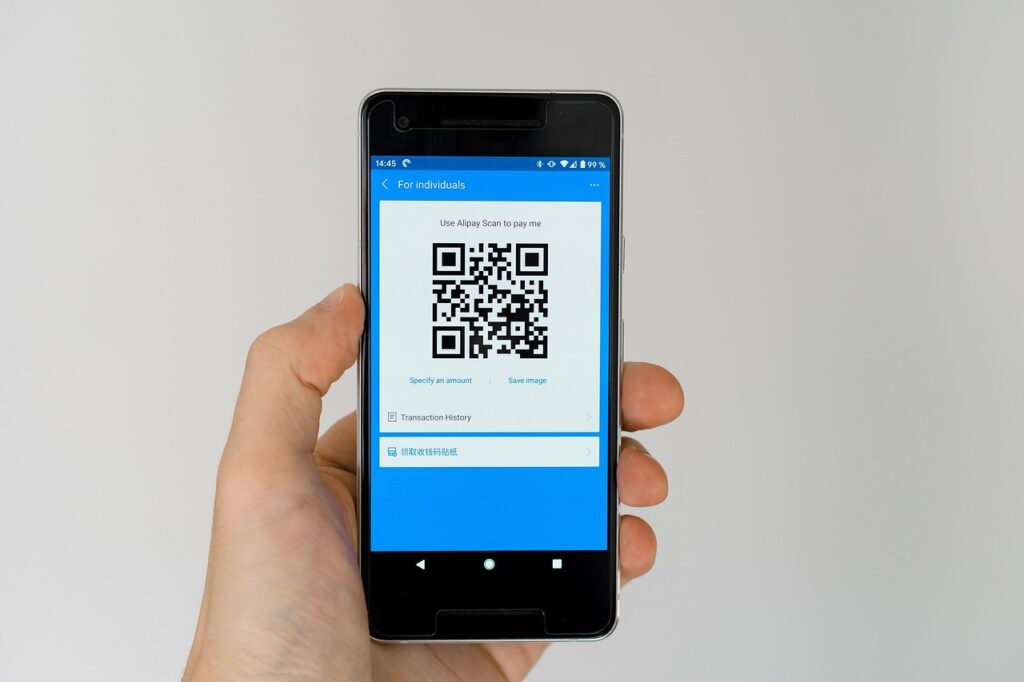

About 45% of the global population uses mobile payment methods, with the number expected to grow to over 50% by 2026 – this significant growth is due to the increasing adoption of payment apps (applications) – which are essentially software programs designed to facilitate financial transactions – such as sending and receiving money – through a mobile device or computer. The rise of payment apps has transformed the way people make transactions, offering convenience, speed, and security. With the advancement of technology and the proliferation of smartphones, payment apps have become an essential part of daily life. The use of payment apps has also led to a significant reduction in the use of cash and credit cards. As the payment apps industry continues to evolve, it’s essential to stay updated on the latest trends and developments.
The payment apps market is dominated by players such as Apple Pay, Google Pay, and PayPal, which offer a range of services – including person-to-person (P2P) payments, online transactions, and in-store purchases. These services are often integrated with other financial tools – such as budgeting apps and investment platforms – to provide a comprehensive financial management solution. The growth of the payment apps market is driven by factors such as increasing smartphone penetration, growing demand for convenience and speed, and advancements in technology – such as artificial intelligence (AI) – which is a type of computer science that enables machines to perform tasks that typically require human intelligence. As the payment apps industry continues to expand, new players are entering the market, offering innovative solutions and features.
The adoption of payment apps is not limited to individuals; businesses are also embracing these solutions to improve their financial operations. Payment apps offer a range of benefits, including reduced transaction costs, improved cash flow management, and enhanced customer experience. With the rise of e-commerce and online transactions, payment apps have become a crucial component of business operations. As the payment apps industry continues to grow, it’s expected to have a significant impact on the global economy.
The growth of the payment apps market is also driven by the increasing adoption of contactless payments – which use near-field communication (NFC) technology – a type of wireless communication that enables devices to exchange data when they are in close proximity to each other. Contactless payments offer a convenient and secure way to make transactions, and they are becoming increasingly popular in countries such as the United States, the United Kingdom, and Australia. The use of contactless payments is expected to continue to grow, driven by the increasing adoption of payment apps and the expansion of NFC technology.
According to recent data, the payment apps market is expected to reach $1.5 trillion by 2026, with the average transaction value increasing by 15% annually. This growth is driven by the increasing adoption of payment apps, the expansion of e-commerce, and the growing demand for convenience and speed. As the payment apps industry continues to evolve, it’s essential to stay updated on the latest trends and developments. payment apps market
📝 Contents
The Basics of Payment Apps
Payment apps are software programs designed to facilitate financial transactions through a mobile device or computer. These apps offer a range of services, including person-to-person (P2P) payments, online transactions, and in-store purchases. Payment apps use various technologies, such as near-field communication (NFC) and tokenization – which is a process of replacing sensitive information with a unique identifier – to provide a secure and convenient transaction experience. The use of payment apps is not limited to individuals; businesses are also embracing these solutions to improve their financial operations.
The payment apps market is dominated by players such as Apple Pay, Google Pay, and PayPal, which offer a range of services and features. These services include the ability to send and receive money, make online transactions, and purchase goods and services in-store. Payment apps also offer a range of benefits, including reduced transaction costs, improved cash flow management, and enhanced customer experience. The growth of the payment apps market is driven by factors such as increasing smartphone penetration, growing demand for convenience and speed, and advancements in technology.
The following table compares some of the most popular payment apps, highlighting their features and benefits:
| Payment App | Features | Benefits |
|---|---|---|
| Apple Pay | Person-to-person (P2P) payments, online transactions, in-store purchases | Convenient, secure, easy to use |
| Google Pay | Person-to-person (P2P) payments, online transactions, in-store purchases | Convenient, secure, integrates with other Google services |
| PayPal | Person-to-person (P2P) payments, online transactions, in-store purchases | Convenient, secure, offers a range of payment options |
| Samsung Pay | Person-to-person (P2P) payments, online transactions, in-store purchases | Convenient, secure, offers a range of rewards and discounts |
Major Payment App Developments
Advancements in Security
The payment apps industry has seen significant advancements in security, with the adoption of technologies such as tokenization and biometric authentication – which uses unique physical characteristics – such as fingerprints or facial recognition – to verify identities. These technologies provide a secure and convenient transaction experience, reducing the risk of fraud and identity theft. The use of artificial intelligence (AI) and machine learning (ML) also helps to detect and prevent fraudulent transactions.
The adoption of security technologies such as tokenization and biometric authentication has improved the overall security of payment apps. Tokenization replaces sensitive information with a unique identifier, reducing the risk of data breaches and identity theft. Biometric authentication provides an additional layer of security, making it more difficult for hackers to access accounts. The use of AI and ML also helps to detect and prevent fraudulent transactions, reducing the risk of financial loss. security technologies such
- Key Benefits: Improved security, reduced risk of fraud and identity theft, convenient transaction experience
- Enhanced customer trust and confidence in payment apps
- Compliance with regulatory requirements and industry standards
Expansion of Contactless Payments
The payment apps industry has seen a significant expansion of contactless payments, with the adoption of near-field communication (NFC) technology. Contactless payments offer a convenient and secure way to make transactions, and they are becoming increasingly popular in countries such as the United States, the United Kingdom, and Australia. The use of contactless payments is expected to continue to grow, driven by the increasing adoption of payment apps and the expansion of NFC technology.
The expansion of contactless payments has been driven by the increasing adoption of payment apps and the expansion of NFC technology. Contactless payments offer a range of benefits, including convenience, speed, and security. The use of NFC technology enables devices to exchange data when they are in close proximity to each other, providing a secure and convenient transaction experience. The adoption of contactless payments is expected to continue to grow, driven by the increasing demand for convenience and speed.
- Key Benefits: Convenient and secure transaction experience, reduced waiting times, increased customer satisfaction
- Improved cash flow management for businesses
- Enhanced customer experience and loyalty
Integration with Other Financial Tools
The payment apps industry has seen a significant integration with other financial tools, such as budgeting apps and investment platforms. This integration provides a comprehensive financial management solution, enabling users to manage their finances more effectively. The use of payment apps in conjunction with other financial tools also helps to reduce financial stress and improve overall financial well-being.
The integration of payment apps with other financial tools has been driven by the increasing demand for convenience and speed. The use of payment apps in conjunction with other financial tools provides a range of benefits, including improved financial management, reduced financial stress, and enhanced customer experience. The integration of payment apps with budgeting apps, for example, enables users to track their expenses and stay within their budget. The integration with investment platforms also enables users to invest their money more effectively.
- Key Benefits: Comprehensive financial management solution, improved financial literacy, reduced financial stress
- Enhanced customer experience and loyalty
- Increased adoption of financial tools and services
Increasing Adoption of Mobile Payments
The payment apps industry has seen a significant increase in the adoption of mobile payments, with the number of mobile payment users expected to reach 1.5 billion by 2026. The use of mobile payments offers a range of benefits, including convenience, speed, and security. Mobile payments also enable users to make transactions on-the-go, reducing the need to carry cash or credit cards.
The increasing adoption of mobile payments has been driven by the increasing demand for convenience and speed. The use of mobile payments offers a range of benefits, including improved financial management, reduced financial stress, and enhanced customer experience. The adoption of mobile payments is expected to continue to grow, driven by the increasing demand for convenience and speed. The use of mobile payments also enables businesses to improve their financial operations, reducing transaction costs and improving cash flow management. mobile payments offers
- Key Benefits: Convenient and secure transaction experience, improved financial management, reduced financial stress
- Enhanced customer experience and loyalty
- Increased adoption of financial tools and services
Emergence of New Players
The payment apps industry has seen the emergence of new players, offering innovative solutions and features. The entry of new players has increased competition in the market, driving innovation and improving customer experience. The emergence of new players has also led to the development of new technologies and features, such as blockchain – which is a type of distributed ledger technology that enables secure and transparent transactions.
The emergence of new players in the payment apps industry has been driven by the increasing demand for convenience and speed. The entry of new players has increased competition in the market, driving innovation and improving customer experience. The emergence of new players has also led to the development of new technologies and features, such as blockchain and artificial intelligence (AI). The use of these technologies enables payment apps to provide a secure and convenient transaction experience, reducing the risk of fraud and identity theft.
- Key Benefits: Increased competition and innovation, improved customer experience, emergence of new technologies and features
- Enhanced security and transparency
- Increased adoption of payment apps and financial tools
The Impact on Consumers
✔ Convenience and Speed
The adoption of payment apps has provided consumers with a convenient and secure way to make transactions. Payment apps offer a range of benefits, including the ability to send and receive money, make online transactions, and purchase goods and services in-store. The use of payment apps also enables consumers to make transactions on-the-go, reducing the need to carry cash or credit cards.
✔ Improved Financial Management
The use of payment apps has also enabled consumers to improve their financial management. Payment apps provide a range of features, such as budgeting and expense tracking, enabling consumers to manage their finances more effectively. The use of payment apps also enables consumers to reduce their financial stress and improve their overall financial well-being. also enabled consumers
✔ Enhanced Security
The adoption of payment apps has also provided consumers with an enhanced level of security. Payment apps use various technologies, such as tokenization and biometric authentication, to provide a secure transaction experience. The use of these technologies reduces the risk of fraud and identity theft, enabling consumers to make transactions with confidence.
✔ Increased Mobility
The use of payment apps has also enabled consumers to make transactions on-the-go, reducing the need to carry cash or credit cards. Payment apps offer a range of benefits, including the ability to send and receive money, make online transactions, and purchase goods and services in-store. The adoption of payment apps has also led to the development of new technologies and features, such as mobile payments and contactless transactions.
✔ Improved Customer Experience
The adoption of payment apps has also provided consumers with an improved customer experience. Payment apps offer a range of features, such as personalized recommendations and loyalty programs, enabling consumers to make transactions with ease and convenience. The use of payment apps also enables businesses to improve their customer experience, reducing waiting times and improving overall satisfaction. also provided consumers
✔ Increased Financial Inclusion
The adoption of payment apps has also led to an increase in financial inclusion, enabling consumers to access financial services and make transactions more easily. Payment apps offer a range of benefits, including the ability to send and receive money, make online transactions, and purchase goods and services in-store. The use of payment apps has also enabled consumers to reduce their financial stress and improve their overall financial well-being.
The Next 5 Years
- The payment apps market is expected to reach $1.5 trillion by 2026, with the average transaction value increasing by 15% annually. This growth will be driven by the increasing adoption of payment apps, the expansion of e-commerce, and the growing demand for convenience and speed.
The growth of the payment apps market will be driven by the increasing demand for convenience and speed, as well as the expansion of e-commerce and the adoption of new technologies such as blockchain and artificial intelligence (AI). The use of payment apps will continue to grow, enabling consumers to make transactions more easily and conveniently.
- The use of contactless payments will continue to grow, driven by the increasing adoption of payment apps and the expansion of NFC technology. Contactless payments will become increasingly popular, enabling consumers to make transactions more easily and conveniently.
The growth of contactless payments will be driven by the increasing demand for convenience and speed, as well as the expansion of NFC technology. The use of contactless payments will continue to grow, enabling consumers to make transactions more easily and conveniently. The adoption of contactless payments will also lead to the development of new technologies and features, such as mobile payments and tokenization.
- The payment apps industry will see the emergence of new players, offering innovative solutions and features. The entry of new players will increase competition in the market, driving innovation and improving customer experience.
The emergence of new players in the payment apps industry will be driven by the increasing demand for convenience and speed, as well as the expansion of e-commerce and the adoption of new technologies such as blockchain and artificial intelligence (AI). The use of payment apps will continue to grow, enabling consumers to make transactions more easily and conveniently. The entry of new players will also lead to the development of new technologies and features, such as mobile payments and contactless transactions.
- The use of artificial intelligence (AI) and machine learning (ML) will become increasingly prevalent in the payment apps industry, enabling payment apps to provide a more secure and convenient transaction experience. The use of AI and ML will also enable payment apps to detect and prevent fraudulent transactions, reducing the risk of financial loss.
The adoption of AI and ML in the payment apps industry will be driven by the increasing demand for convenience and speed, as well as the need for improved security and fraud prevention. The use of AI and ML will enable payment apps to provide a more secure and convenient transaction experience, reducing the risk of financial loss and improving overall customer satisfaction. payment apps industry
- The payment apps industry will see an increase in financial inclusion, enabling consumers to access financial services and make transactions more easily. The use of payment apps will continue to grow, enabling consumers to make transactions more easily and conveniently.
The growth of financial inclusion in the payment apps industry will be driven by the increasing demand for convenience and speed, as well as the expansion of e-commerce and the adoption of new technologies such as blockchain and artificial intelligence (AI). The use of payment apps will continue to grow, enabling consumers to make transactions more easily and conveniently. The adoption of payment apps will also lead to the development of new technologies and features, such as mobile payments and contactless transactions.
The following table shows the projected growth of the payment apps market over the next 5 years:
| Year | Market Size | Growth Rate |
|---|---|---|
| 2023 | $1.2 trillion | 10% |
| 2024 | $1.3 trillion | 12% |
| 2025 | $1.4 trillion | 15% |
| 2026 | $1.5 trillion | 18% |
Key Takeaways
The payment apps industry is expected to reach $1.5 trillion by 2026, with the average transaction value increasing by 15% annually. The growth of the payment apps market will be driven by the increasing adoption of payment apps, the expansion of e-commerce, and the growing demand for convenience and speed. The use of payment apps will continue to grow, enabling consumers to make transactions more easily and conveniently, and the adoption of new technologies such as blockchain and artificial intelligence (AI) will play a crucial role in shaping the future of the payment apps industry.
The payment apps industry will see significant developments in the next 5 years, including the emergence of new players, the expansion of contactless payments, and the increasing adoption of AI and ML. The use of payment apps will continue to grow, enabling consumers to make transactions more easily and conveniently, and the adoption of payment apps will lead to an increase in financial inclusion, enabling consumers to access financial services and make transactions more easily.
The growth of the payment apps market will have a significant impact on the global economy, enabling businesses to improve their financial operations, reducing transaction costs, and improving cash flow management. The use of payment apps will also enable consumers to make transactions more easily and conveniently, reducing the need to carry cash or credit cards, and the adoption of payment apps will lead to an increase in financial inclusion, enabling consumers to access financial services and make transactions more easily.