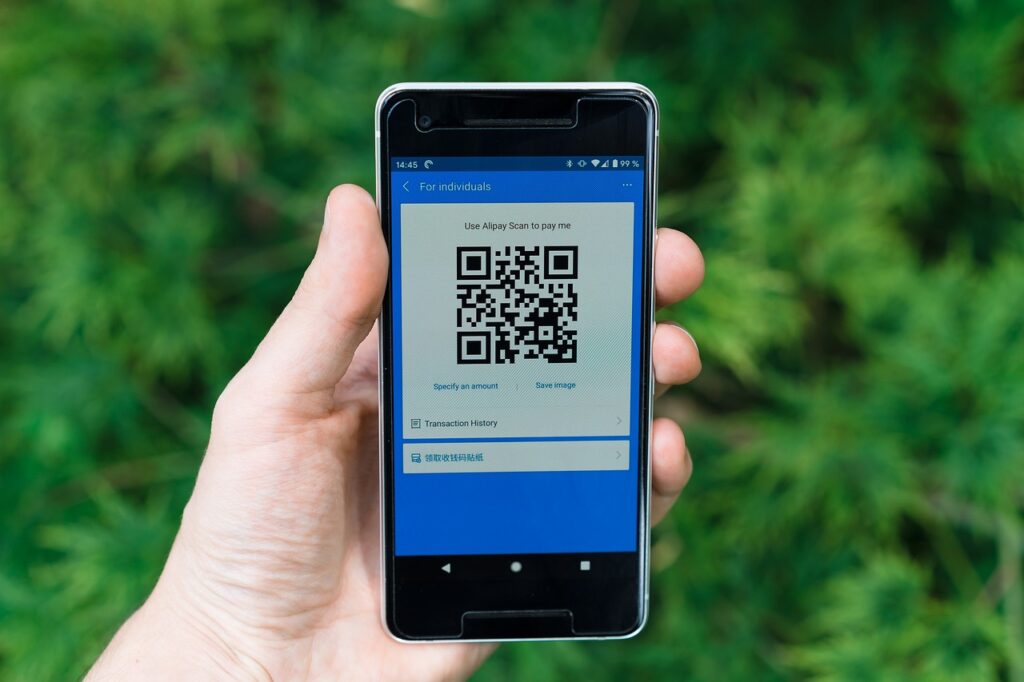

Before the advent of mobile banking apps, managing one’s finances involved physically visiting the bank or using a computer to access online banking services. This was not only time-consuming but also limited by the bank’s working hours. However, with the introduction of banking apps – software applications designed to enable users to manage their bank accounts using their smartphones or tablets – (also known as mobile banking apps), the way people interact with their banks has undergone a significant transformation. Today, individuals can perform a wide range of financial transactions, from checking their account balances to transferring money, all from the convenience of their mobile devices. The shift towards mobile banking has been so profound that it has become an essential service expected by customers from their banks. Given the plethora of banking apps available, choosing the right one that meets your financial needs can be daunting. Understanding what makes a good banking app, therefore, becomes crucial.
The process of selecting a banking app involves evaluating several key factors, including user interface (the visual elements and interactions of the app), security features (such as encryption and two-factor authentication – a method of verifying a user’s identity by requiring two different authentication factors), and the range of financial services offered. Additionally, considerations like compatibility (whether the app can run on different types of devices and operating systems) and customer support (the assistance provided by the bank to help users resolve issues with the app) play significant roles in the decision-making process. With numerous banking apps on the market, each with its unique set of features and benefits, potential users must navigate through a myriad of options to find the one that best suits their banking needs.
To navigate this complex landscape, individuals often rely on banking app reviews – evaluations provided by current or former users of the app, detailing their experiences and opinions about its performance and usability. These reviews can offer invaluable insights into the strengths and weaknesses of a banking app, helping prospective users make informed decisions. By understanding what to look for in these reviews and how they can guide the selection process, individuals can better equip themselves to find a banking app that meets their financial management requirements efficiently and securely.
The evolution of banking apps has not only changed how people bank but has also raised the bar for what customers expect from their banking experience. With the ability to manage finances on-the-go, the demand for seamless, secure, and feature-rich banking apps has never been higher. As the financial technology (fintech) sector continues to innovate and expand, the future of banking app development looks promising, with potential advancements in areas like artificial intelligence (AI – the simulation of human intelligence in machines) and biometric security (methods of verifying identity through unique physical characteristics, such as fingerprints or facial recognition). Understanding the current state of banking apps and their potential future developments is essential for both banks and their customers.
As the banking industry continues to embrace digital transformation, the importance of banking app reviews will only continue to grow. These reviews serve as a critical feedback loop, allowing banks to understand user preferences and pain points, thereby enabling them to improve and expand their services. For users, these reviews are a valuable resource, helping them navigate the complex world of mobile banking and make informed decisions about which apps to trust with their financial information.
📝 Contents
What Is Banking App Review?
A banking app review is an evaluation of a mobile banking application, typically written by a user who has experience with the app. These reviews can be found on various platforms, including app stores (digital distribution platforms where users can download apps), review websites (websites dedicated to collecting and publishing reviews of different products and services), and social media (online platforms where users can share information and interact with each other). The purpose of a banking app review is to provide potential users with an honest assessment of the app’s performance, highlighting both its positive aspects and areas for improvement.
Banking app reviews often cover a wide range of topics, including the app’s user interface – how intuitive and easy to navigate it is, the security features it offers – such as data encryption (the process of converting data into a code to protect it from unauthorized access) and multi-factor authentication (a security process in which users are granted access only after successfully presenting two or more authentication factors), and the variety of banking services available – like bill payments, fund transfers, and account management. Additionally, reviews may discuss the app’s compatibility with different devices and operating systems, as well as the quality of customer support provided by the bank.
To better understand the different aspects of banking app reviews, it’s helpful to compare them. The following table compares some key features of several banking apps:
| App Name | Security Features | User Interface | Customer Support |
|---|---|---|---|
| Bank of America | Two-factor authentication, data encryption | Intuitive, easy to navigate | 24/7 phone support, email support |
| Chase Bank | Multi-factor authentication, biometric login | Modern design, user-friendly | 24/7 phone support, live chat |
| Wells Fargo | Data encryption, secure login | Clear, organized interface | 24/7 phone support, email support |
| Citi Bank | Two-factor authentication, account alerts | Easy to use, customizable | 24/7 phone support, online support center |
Major Banking App Developments
1. Enhanced Security Measures
The development of banking apps has been marked by a significant emphasis on security. Given the sensitive nature of financial transactions, ensuring the protection of user data is paramount. Banks have implemented various security measures, including encryption, two-factor authentication, and biometric login options, to safeguard user accounts and transactions.
These security features are designed to prevent unauthorized access to user accounts. For instance, two-factor authentication requires users to provide two different authentication factors, such as a password and a fingerprint, to access their accounts. This adds an additional layer of security, making it more difficult for potential hackers to gain access.
Moreover, banks are continually updating their security protocols to stay ahead of emerging threats. This includes regularly updating the app to patch any vulnerabilities and educating users on how to protect themselves from phishing attempts and other types of cyber threats.
- Advantages:
- Enhanced protection against cyber threats, providing users with peace of mind when conducting financial transactions online.
- Regular updates and patches to ensure the app remains secure, reflecting the bank’s commitment to user safety.
- Education and awareness programs for users, empowering them to take an active role in securing their financial information.
2. Improved User Experience
Another significant development in banking apps is the focus on improving the user experience. Banks recognize that a well-designed, intuitive app can significantly enhance user satisfaction and engagement. This involves creating an interface that is not only visually appealing but also easy to navigate, allowing users to quickly find the services they need.
The user experience is crucial because it directly impacts how users interact with the app. A positive experience can encourage users to use the app more frequently, while a negative experience can lead to frustration and potentially cause users to seek alternatives. Banks have been working to streamline processes, reduce clutter, and make key features more accessible, all with the aim of providing a seamless banking experience.
Furthermore, the incorporation of personalization features allows users to customize the app according to their preferences, further enhancing their overall experience. This could include setting up favorite transactions, adjusting the layout, or even integrating other financial tools and services.
- Advantages:
- Increased user satisfaction due to an intuitive and easy-to-use interface, making banking tasks less daunting.
- Personalization options that allow users to tailor the app to their needs, providing a more bespoke banking experience.
- Streamlined processes that reduce the time and effort required to complete banking tasks, making the app more efficient.
3. Expansion of Banking Services
Banking apps have also seen a significant expansion in the range of banking services they offer. Initially, these apps were limited to basic functions such as checking account balances and transferring funds. However, they now provide a wide array of services, including bill payments, investment tracking, loan applications, and even budgeting tools.
This expansion is driven by the desire to make banking apps a one-stop solution for all financial needs. By integrating various services into a single platform, banks aim to increase user engagement and loyalty. Users can manage multiple aspects of their financial lives from a single app, making it more convenient and reducing the need to use multiple platforms.
Moreover, the integration of innovative technologies like artificial intelligence and machine learning has enabled banking apps to offer more sophisticated services, such as personalized financial advice and automated savings plans. innovative technologies like
- Advantages:
- Convenience of having multiple banking services in one place, simplifying financial management.
- Access to advanced financial tools and advice, empowering users to make better financial decisions.
- Increased user loyalty due to the comprehensive nature of the services provided, encouraging long-term relationships with the bank.
4. Cross-Platform Compatibility
Banking apps have become increasingly cross-platform compatible, allowing users to access their banking services from a variety of devices and operating systems. This development is crucial in today’s diverse technological landscape, where individuals may use different devices for different purposes.
Cross-platform compatibility ensures that users can manage their finances seamlessly, regardless of whether they are using a smartphone, tablet, or computer. This flexibility is particularly beneficial for users who may prefer to perform certain tasks on specific devices, such as checking account balances on their smartphone but managing investments on their computer.
Banks achieve this compatibility by developing apps that can run on multiple operating systems, such as iOS and Android, and by ensuring that their web-based banking services are accessible and functional across different browsers and devices.
- Advantages:
- Flexibility to access banking services from any device, at any time, enhancing user convenience.
- Uniform experience across different platforms, ensuring consistency and ease of use.
- Broader reach, as users are not limited by the type of device they use, making banking more inclusive.
5. Integration with Other Financial Tools
The final significant development in banking apps is their integration with other financial tools and services. This includes linking credit card accounts, investment portfolios, and even accounts from other banks, allowing users to have a comprehensive view of their financial situation.
This integration enables users to manage their finances more effectively, as they can track expenditures, income, and savings across all their accounts from a single platform. Additionally, the aggregation of financial data can facilitate better financial planning and decision-making, as users can see the bigger picture of their financial health.
The integration also extends to third-party services, such as budgeting apps, investment platforms, and payment services, further enriching the banking app’s functionality and utility.
- Advantages:
- Comprehensive financial overview, enabling users to make more informed financial decisions.
- Streamlined financial management, as all accounts and services are accessible from one place.
- Enhanced financial planning capabilities, thanks to the aggregation of data and integration with specialized financial tools.
Practical Takeaways
✔ Enhanced Security
Banking apps have significantly enhanced their security features, including two-factor authentication, data encryption, and biometric login options. These features are crucial for protecting user data and preventing unauthorized access to accounts. Users should look for apps that offer robust security measures and keep their apps and devices updated to ensure they have the latest security patches.
✔ Improved User Experience
The user experience of banking apps has been vastly improved, with intuitive interfaces, streamlined processes, and personalization options. Users should choose apps that are easy to navigate and provide a seamless banking experience. An app that is visually appealing and functions well can significantly enhance user satisfaction and engagement.
✔ Expanded Banking Services
Banking apps now offer a wide range of services, from basic transactions to advanced financial tools and advice. Users should select apps that provide the services they need, whether it’s bill payments, investment tracking, or budgeting tools. The availability of comprehensive services can make financial management more efficient and effective.
✔ Cross-Platform Compatibility
Banking apps are increasingly compatible with multiple devices and operating systems, ensuring users can access their banking services from anywhere. Users should opt for apps that are flexible and can be used across different platforms, enhancing convenience and accessibility.
✔ Integration with Other Financial Tools
Banking apps can integrate with other financial tools and services, providing a comprehensive view of one’s financial situation. Users should look for apps that can link to other accounts and services, facilitating better financial planning and management. This integration can simplify financial oversight and decision-making.
✔ Regular Updates and Feedback
Finally, banking apps that regularly update their services and listen to user feedback are more likely to meet evolving user needs. Users should choose apps that are committed to continuous improvement, as indicated by regular updates, responsive customer support, and open communication channels. This demonstrates a bank’s dedication to enhancing the user experience and addressing any issues promptly.
What’s Coming
- The Integration of Artificial Intelligence (AI)
- Advancements in Biometric Security
- Enhanced Mobile Payment Options
- Personalized Financial Services
- Increased Focus on Digital Literacy
The future of banking apps is likely to involve the integration of artificial intelligence (AI), which can provide personalized financial advice, predict spending patterns, and offer real-time financial insights. AI can significantly enhance the banking experience by making it more personalized and proactive.
This integration can lead to the development of smart banking assistants that can help users manage their finances more effectively, from automating savings to detecting potential fraud. The use of AI can revolutionize how banking services are delivered and experienced.
Biometric security, such as facial recognition and fingerprint scanning, is expected to become even more sophisticated, providing an additional layer of protection against cyber threats. As biometric technologies evolve, they will play a crucial role in securing banking apps and protecting user identities.
The use of biometrics can make banking apps more secure and convenient, as users won’t need to remember complex passwords or answers to security questions. This can significantly reduce the risk of unauthorized access and enhance the overall security of financial transactions. make banking apps
Banking apps are likely to expand their mobile payment options, allowing for more seamless and secure transactions. This could include the integration of contactless payment methods, peer-to-peer payment services, and even cryptocurrencies.
Enhanced mobile payment options can make banking apps more versatile and convenient, allowing users to manage their finances and make payments from a single, intuitive interface. This can simplify financial transactions and reduce the need for physical wallets or cash.
The future of banking apps will also involve the provision of more personalized financial services, tailored to individual user needs and preferences. This could include customized investment advice, personalized budgeting plans, and tailored financial education resources.
Personalized services can help users achieve their financial goals more effectively, by providing them with relevant and actionable advice. This can lead to better financial outcomes and increased user satisfaction with the banking app.
Finally, there will be an increased focus on digital literacy, as banks recognize the importance of educating users about how to safely and effectively use digital banking services. This could involve the development of interactive tutorials, online workshops, and other educational resources.
By promoting digital literacy, banks can empower users to take full advantage of their banking apps, while also reducing the risk of cyber threats and other online dangers. This can lead to a more confident and competent user base, better equipped to navigate the digital banking landscape.
| Feature | Current State | Future Developments |
|---|---|---|
| Security | Two-factor authentication, encryption | Advanced biometrics, AI-powered threat detection |
| User Experience | Intuitive interfaces, personalization options | AI-driven interfaces, enhanced customization |
| Banking Services | Basic transactions, investment tracking | Advanced financial planning, personalized advice |
| Compatibility | Cross-platform compatibility | Seamless integration across all devices and platforms |
Key Takeaways
The world of banking apps is continuously evolving, with advancements in security, user experience, and the range of services offered. As users, understanding these developments and how they impact the banking experience is crucial for making the most out of mobile banking. By staying informed and adapt to these changes, individuals can better manage their finances and take advantage of the convenience and efficiency that banking apps provide.
The future of banking apps looks promising, with potential developments in AI, biometric security, and personalized financial services. As these technologies mature, they are likely to transform the banking landscape, offering users more secure, personalized, and efficient banking experiences. By embracing these innovations and providing feedback, users can play a vital role in shaping the future of banking.
Ultimately, the key to maximizing the benefits of banking apps lies in understanding their capabilities, limitations, and potential future developments. By doing so, users can navigate the complex world of mobile banking with confidence, making informed decisions about their financial management and leveraging the full potential of these powerful tools.