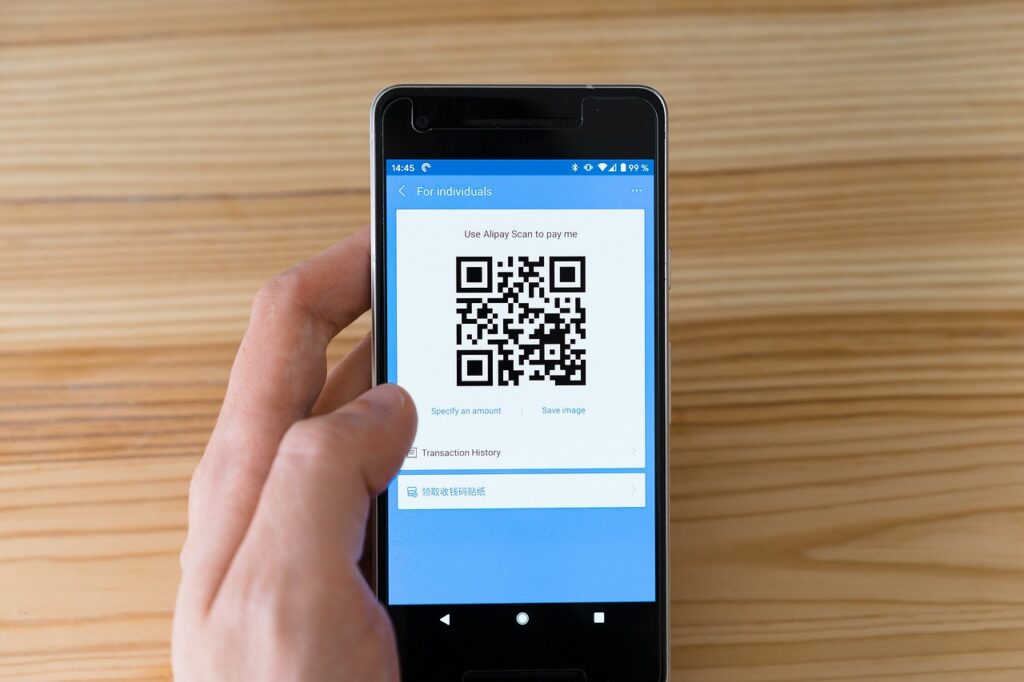

In 2019, a significant number of mobile payment users in the United States fell victim to a phishing scam that targeted their financial information. The scam, which involved spoofed emails and fake websites, resulted in the loss of millions of dollars. This incident highlights the importance of being aware of common mistakes in mobile payments. For instance, using public Wi-Fi for transactions or not updating payment apps regularly can expose users to security risks. Furthermore, not monitoring account activity and failing to report suspicious transactions promptly can lead to substantial financial losses. In fact, according to a report by the Federal Trade Commission, in 2020, there were over 50,000 reported cases of mobile payment fraud in the United States alone. The total loss from these cases exceeded $100 million. Therefore, understanding and avoiding these mistakes is crucial for secure and efficient mobile transactions.
📝 What's In This Article
Breaking Down Mobile Payments
The concept of mobile payments refers to the use of mobile devices to facilitate financial transactions. This can range from using a smartphone to make purchases online to employing a mobile wallet for in-store payments. Mobile payments have gained popularity due to their convenience and the widespread use of smartphones. However, with this increased adoption comes the risk of common mistakes that can compromise the security and efficiency of transactions. For example, in 2020, a survey by the National Cyber Security Alliance found that nearly 70% of mobile payment users were not using two-factor authentication, leaving their accounts vulnerable to hacking attempts.
A key aspect of mobile payments is the technology behind them. Mobile payments can be categorized into several types, including near-field communication (NFC) payments, quick response (QR) code payments, and direct carrier billing, among others. Each type has its unique features and security measures. Understanding these differences is essential for avoiding mistakes and ensuring secure transactions. The table below compares some of the most common mobile payment technologies:
| Technology | Description | Security Features | Usage |
|---|---|---|---|
| NFC Payments | Use near-field communication for proximity payments. | Encryption, tokenization | Google Pay, Apple Pay |
| QR Code Payments | Utilize quick response codes for transaction initiation. | End-to-end encryption | Alipay, WeChat Pay |
| Direct Carrier Billing | Charge transactions directly to the mobile phone bill. | Secure billing, verification | Telecom operators |
| Mobile Wallets | Store payment information securely for online and in-store payments. | Password protection, two-factor authentication | Amazon Pay, PayPal |
As the use of mobile payments continues to grow, so does the importance of understanding and mitigating the risks associated with these transactions. By familiarizing oneself with the different technologies and their security features, individuals can better protect their financial information and avoid common mistakes.
Core Mobile Payment Approaches
1. Secure Transaction Initialization
Securing the initialization of mobile payments is crucial. This involves ensuring that the transaction process is protected from the outset, using methods such as encryption and secure authentication. For instance, when using NFC payments, the device and the payment terminal must both support secure communication protocols. Failure to initiate transactions securely can lead to the interception of sensitive information by malicious parties. outset using methods
Detailed analysis of secure transaction initialization reveals that it is a multi-step process. First, the user’s device must be authenticated to ensure that it is a trusted source. Then, the payment information must be encrypted before it is transmitted. This encryption should be end-to-end, meaning that only the sender and the intended recipient can access the information. Furthermore, the use of tokenization can replace sensitive payment information with tokens, adding an extra layer of security.
- What You Gain:
- Protection against eavesdropping and data breaches
- Secure authentication of devices and users
- Compliance with financial regulations and security standards
2. Regular Updates and Maintenance
Regularly updating mobile payment apps and the operating system of the device is essential for patching security vulnerabilities. Outdated software can leave devices and financial information exposed to known risks. For example, in 2019, a security flaw in an older version of a popular mobile payment app allowed hackers to intercept transactions, resulting in thousands of dollars in losses.
The importance of updates cannot be overstated. Security patches are regularly released to fix newly discovered vulnerabilities. By keeping the software up-to-date, users can ensure they have the latest security features and protections. Additionally, enabling automatic updates can simplify this process, ensuring that devices and apps are always current without requiring manual intervention.
- What You Gain:
- Protection against newly discovered security threats
- Access to the latest security features and enhancements
- Reduced risk of data breaches and financial loss
3. Monitoring Account Activity
Regularly monitoring account activity for any suspicious transactions is a critical aspect of mobile payment security. This involves checking for unauthorized charges, unexpected changes in account balances, or other signs of fraudulent activity. For instance, setting up alerts for transactions above a certain amount can help identify potential fraud early.
Detailed monitoring requires access to real-time transaction data and the ability to recognize patterns that may indicate fraud. Users should also be aware of their typical spending habits to quickly identify transactions that are out of the ordinary. Moreover, reporting suspicious activity promptly to the financial institution can help prevent further unauthorized transactions and minimize potential losses.
- What You Gain:
- Early detection of fraudulent transactions
- Ability to prevent further unauthorized access
- Minimization of financial losses due to fraud
4. Using Strong Authentication
Utilizing strong authentication methods, such as two-factor authentication (2FA) or biometric authentication, adds a significant layer of security to mobile payments. These methods require both something the user knows (like a password) and something the user has (like a smartphone) or something the user is (like a fingerprint), making it much harder for unauthorized parties to access accounts.
The implementation of strong authentication is straightforward and highly effective. For example, enabling 2FA on a mobile payment app can require a user to enter a password and then receive a verification code sent to their registered phone number or email, which must be entered to complete the login. Biometric authentication, such as facial recognition or fingerprint scanning, offers an even more secure and convenient method of verifying user identities.
- What You Gain:
- Enhanced security against unauthorized access
- Protection of sensitive financial information
- Compliance with advanced security standards
5. Educating on Mobile Payment Security
Educating oneself and others about mobile payment security is vital. This includes understanding the risks associated with mobile payments, recognizing phishing attempts, and being aware of the latest security best practices. For instance, knowing that legitimate financial institutions will never ask for sensitive information via email or text message can help individuals avoid falling victim to phishing scams.
Detailed education on mobile payment security involves staying updated on the latest threats and security measures. This can be achieved through workshops, online courses, or informational materials provided by financial institutions and security experts. Furthermore, sharing knowledge with others can help create a community that is vigilant and proactive in protecting against mobile payment fraud.
- What You Gain:
- Increased awareness of potential security threats
- Ability to recognize and avoid phishing scams
- Community support in maintaining secure mobile payment practices
Why This Matters to You
✔ Protection of Financial Information
Securing financial information is paramount. Mobile payments, if not properly secured, can expose sensitive details to potential fraudsters. By avoiding common mistakes, individuals can protect their financial information and prevent unauthorized transactions. This not only saves money but also reduces the stress and hassle associated with resolving fraud cases.
✔ Prevention of Financial Loss
Preventing financial loss is a direct benefit of avoiding common mobile payment mistakes. By ensuring that transactions are secure and monitoring account activity regularly, individuals can minimize the risk of fraud and the associated financial losses. This is particularly important for those who rely heavily on mobile payments for their daily transactions. Preventing financial loss
✔ Convenience and Efficiency
Mobile payments are valued for their convenience and efficiency. By understanding and avoiding common mistakes, users can ensure that their mobile payment experiences remain seamless and hassle-free. This includes having access to the latest security features and updates, which can enhance the overall user experience.
✔ Compliance with Security Standards
Compliance with security standards is essential for protecting against fraud and ensuring the integrity of financial transactions. By following best practices and avoiding common mistakes, individuals can ensure that their mobile payment activities comply with relevant security standards and regulations. This not only protects the individual but also contributes to the overall security of the financial system.
✔ Peace of Mind
Avoiding common mobile payment mistakes can provide peace of mind. Knowing that transactions are secure and that financial information is protected can significantly reduce anxiety related to mobile payments. This peace of mind is invaluable, allowing individuals to use mobile payments with confidence and without constant worry about potential fraud.
✔ Community Vigilance
Lastly, avoiding common mistakes in mobile payments contributes to community vigilance. When individuals are aware of the risks and take steps to secure their transactions, they set an example for others to follow. This collective vigilance can lead to a reduction in mobile payment fraud across the community, creating a safer environment for everyone to use mobile payments.
Where This Is Headed
- Predicted Increase in Mobile Payment Adoption
- Enhanced Security Features
- Increased Regulation and Oversight
- Greater Emphasis on User Education
- Integration with Emerging Technologies
The future of mobile payments looks promising, with a predicted increase in adoption rates worldwide. As more individuals turn to mobile devices for their financial transactions, the importance of avoiding common mistakes will only grow. This increase in adoption is expected to drive innovation in security measures, making mobile payments even safer and more efficient.
This growth will also be influenced by advancements in technology, such as improved biometric authentication methods and more sophisticated encryption techniques. Furthermore, the expansion of mobile payments into new markets and industries will introduce new opportunities for secure and convenient transactions, further increasing the need for awareness and education on avoiding common mistakes.
Future mobile payment systems are expected to feature enhanced security measures. These could include advanced biometric authentication, AI-driven fraud detection, and more robust encryption methods. Such features will significantly reduce the risk of fraud and make mobile payments even more secure and reliable.
The development of these enhanced security features will be driven by the collaboration between financial institutions, technology companies, and regulatory bodies. The goal will be to create a seamless and secure mobile payment experience that protects users while providing the convenience and efficiency they expect. As these features are implemented, education on their use and benefits will become increasingly important.
As mobile payments become more prevalent, there will likely be an increase in regulation and oversight. Governments and financial regulatory bodies will play a crucial role in setting standards for mobile payment security and ensuring that providers comply with these standards. This increased regulation will help protect consumers and maintain the integrity of the financial system.
This regulatory environment will also promote transparency and accountability among mobile payment providers. By setting clear guidelines and enforcing compliance, regulators can help build trust in mobile payments and encourage their adoption. Furthermore, regulation will drive innovation in security, as providers seek to meet and exceed the standards set by regulatory bodies.
There will be a greater emphasis on user education in the future of mobile payments. As the technology advances and becomes more widespread, educating users on how to securely use mobile payments will become a priority. This includes teaching users about the risks, how to avoid common mistakes, and how to use the security features provided by mobile payment apps.
This education will be provided through various channels, including workshops, online tutorials, and informational materials. Financial institutions, mobile payment providers, and regulatory bodies will all play a role in promoting user education and awareness. By empowering users with knowledge, the risk of fraud and mistakes can be significantly reduced, contributing to a safer and more secure mobile payment environment.
Finally, the future of mobile payments will involve integration with emerging technologies such as blockchain, the Internet of Things (IoT), and artificial intelligence (AI). These technologies have the potential to revolutionize mobile payments by providing new levels of security, efficiency, and convenience.
The integration of these technologies will introduce new opportunities for secure and innovative mobile payment solutions. For example, blockchain can offer secure and transparent transaction recording, while AI can enhance fraud detection and prevention. As these technologies mature and become more integrated with mobile payments, they will play a significant role in shaping the future of financial transactions.
| Technology | Potential Impact on Mobile Payments | Security Benefits | Adoption Timeline |
|---|---|---|---|
| Blockchain | Secure and transparent transactions | Immutable transaction records, enhanced security | Short-term to medium-term |
| Artificial Intelligence (AI) | Advanced fraud detection and prevention | Real-time risk assessment, predictive analytics | Medium-term |
| Internet of Things (IoT) | Expanded payment options and devices | Secure device authentication, data encryption | Medium-term to long-term |
| Biometric Authentication | Enhanced user authentication and security | Unique user identification, reduced fraud risk | Short-term |
Wrapping Up
The importance of avoiding common mistakes in mobile payments cannot be overstated. By understanding the risks and taking proactive steps to secure transactions, individuals can protect their financial information and prevent fraud. As mobile payments continue to evolve and become more prevalent, the need for awareness and education on secure practices will only grow.
Future advancements in technology and regulation will play a significant role in shaping the security and efficiency of mobile payments. Embracing these changes and staying informed will be key to navigating the evolving landscape of mobile transactions. Ultimately, the secure use of mobile payments benefits not just the individual but also contributes to the overall security and integrity of the financial system.
To wrap up, the main insight from this discussion is that securing mobile payments is a shared responsibility that requires awareness, education, and proactive measures from both users and providers. By working together, we can create a safer and more secure environment for mobile transactions, facilitating their continued growth and adoption.