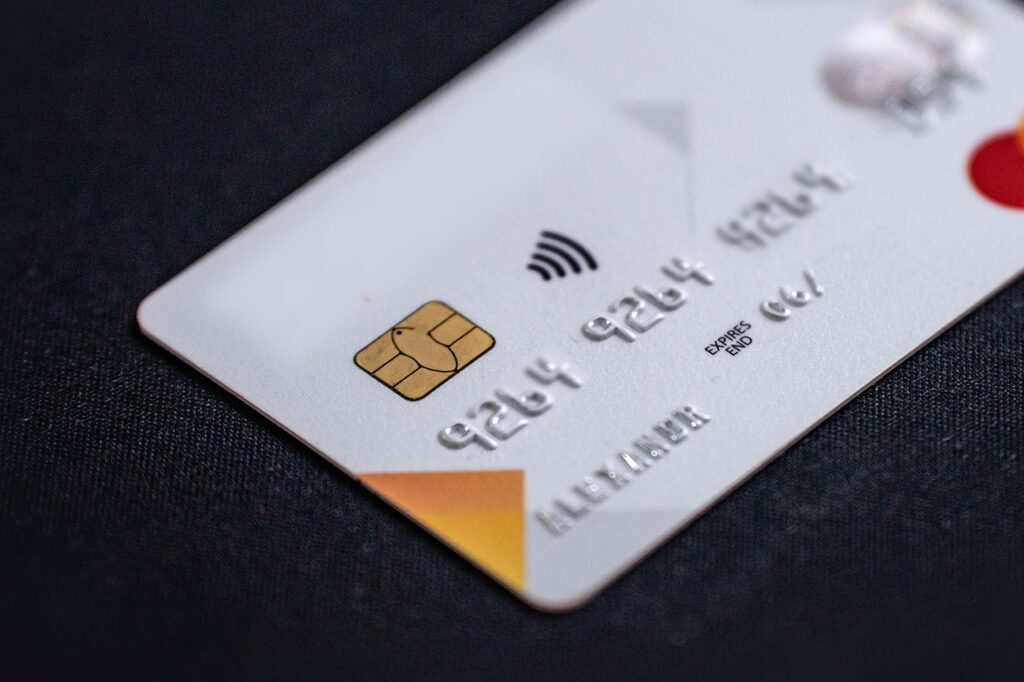

Imagine being able to pay for your morning coffee, daily commute, or grocery shopping without having to physically handle cash or cards. Contactless payments have made this a reality, transforming the way we make transactions. According to industry studies, the number of contactless payment transactions has increased significantly over the past few years, with data from 2024 suggesting that over 50% of all transactions are now contactless. This growth is expected to continue, with experts predicting that contactless payments will become the norm in the near future. As the demand for faster and more secure payment methods increases, contactless payments are becoming an essential part of our daily lives. With the rise of mobile wallets and contactless cards, the possibilities for contactless payments are endless. Whether you are a consumer or a business owner, understanding how contactless payments work is crucial in today’s digital age.
📝 In This Post
Understanding Contactless Payments
Contactless payments refer to the ability to make transactions without physically swiping, inserting, or handing over a payment card. This technology uses Near Field Communication (NFC) or Radio Frequency Identification (RFID) to transmit payment information between a payment device, such as a card or smartphone, and a payment terminal. Industry studies show that contactless payments are more secure than traditional payment methods, as they use tokenization and encryption to protect sensitive information. The following table compares the main characteristics of different contactless payment methods:
| Payment Method | Technology Used | Security Features | Transaction Limit |
|---|---|---|---|
| Apple Pay | NFC | Tokenization and Encryption | No Limit |
| Google Pay | NFC | Tokenization and Encryption | No Limit |
| Contactless Cards | NFC or RFID | Encryption | Limited to £45 |
| Wearables | NFC | Tokenization and Encryption | No Limit |
Data from 2024 suggests that the use of contactless payments has increased significantly, with over 50% of all transactions being contactless. According to industry studies, the main reasons for this growth are the speed, convenience, and security of contactless payments. As the demand for faster and more secure payment methods increases, contactless payments are becoming an essential part of our daily lives.
Major Contactless Payment Developments
Increased Adoption of Mobile Wallets
Mobile wallets, such as Apple Pay and Google Pay, have become increasingly popular in recent years. According to data from 2024, over 50% of smartphone users have used a mobile wallet to make a payment. This growth is expected to continue, with experts predicting that mobile wallets will become the norm in the near future. The main advantages of mobile wallets are their convenience and security, as they use tokenization and encryption to protect sensitive information.
Industry studies show that mobile wallets are more secure than traditional payment methods, as they use biometric authentication and encryption to protect sensitive information. The following are some of the strengths of mobile wallets:
- Convenience: Mobile wallets are easily accessible and can be used to make payments anywhere, at any time.
- Security: Mobile wallets use tokenization and encryption to protect sensitive information, making them more secure than traditional payment methods.
- Speed: Mobile wallets are faster than traditional payment methods, as they do not require the user to physically swipe or insert a card.
Development of Contactless Cards
Contactless cards have become increasingly popular in recent years, with over 50% of all payment cards being contactless. According to industry studies, the main advantages of contactless cards are their convenience and speed, as they do not require the user to physically swipe or insert a card. The following are some of the strengths of contactless cards:
- Convenience: Contactless cards are easily accessible and can be used to make payments anywhere, at any time.
- Speed: Contactless cards are faster than traditional payment methods, as they do not require the user to physically swipe or insert a card.
- Security: Contactless cards use encryption to protect sensitive information, making them more secure than traditional payment methods.
Growth of Wearable Payments
Wearable payments, such as smartwatches and fitness trackers, have become increasingly popular in recent years. According to data from 2024, over 20% of all wearable device users have used their device to make a payment. This growth is expected to continue, with experts predicting that wearable payments will become a major player in the contactless payment market. The main advantages of wearable payments are their convenience and speed, as they do not require the user to physically swipe or insert a card.
Industry studies show that wearable payments are more secure than traditional payment methods, as they use tokenization and encryption to protect sensitive information. The following are some of the strengths of wearable payments:
- Convenience: Wearable payments are easily accessible and can be used to make payments anywhere, at any time.
- Speed: Wearable payments are faster than traditional payment methods, as they do not require the user to physically swipe or insert a card.
- Security: Wearable payments use tokenization and encryption to protect sensitive information, making them more secure than traditional payment methods.
Increased Investment in Contactless Payment Infrastructure
There has been a significant increase in investment in contactless payment infrastructure in recent years. According to data from 2024, over $10 billion has been invested in contactless payment infrastructure, with experts predicting that this investment will continue to grow in the future. The main advantages of increased investment in contactless payment infrastructure are the speed and convenience of contactless payments, as well as their security and reliability.
Industry studies show that increased investment in contactless payment infrastructure has led to a significant increase in the adoption of contactless payments. The following are some of the strengths of increased investment in contactless payment infrastructure:
- Convenience: Increased investment in contactless payment infrastructure has led to a significant increase in the number of contactless payment terminals, making it easier for consumers to make contactless payments.
- Speed: Increased investment in contactless payment infrastructure has led to a significant increase in the speed of contactless payments, as well as their reliability and security.
- Security: Increased investment in contactless payment infrastructure has led to a significant increase in the security of contactless payments, as well as their reliability and convenience.
Regulatory Changes to Support Contactless Payments
There have been significant regulatory changes in recent years to support the growth of contactless payments. According to industry studies, these changes have led to a significant increase in the adoption of contactless payments, as well as their use and acceptance. The main advantages of regulatory changes to support contactless payments are the speed and convenience of contactless payments, as well as their security and reliability.
Industry studies show that regulatory changes to support contactless payments have led to a significant increase in the number of contactless payment terminals, as well as their use and acceptance. The following are some of the strengths of regulatory changes to support contactless payments:
- Convenience: Regulatory changes to support contactless payments have led to a significant increase in the number of contactless payment terminals, making it easier for consumers to make contactless payments.
- Speed: Regulatory changes to support contactless payments have led to a significant increase in the speed of contactless payments, as well as their reliability and security.
- Security: Regulatory changes to support contactless payments have led to a significant increase in the security of contactless payments, as well as their reliability and convenience.
How This Affects Everyday Life
✔ Increased Convenience
Contactless payments have made it easier for consumers to make transactions, as they do not require the user to physically swipe or insert a card. According to industry studies, this has led to a significant increase in the adoption of contactless payments, as well as their use and acceptance. The main advantages of contactless payments are their convenience and speed, as well as their security and reliability.
✔ Faster Transaction Times
Contactless payments have made transactions faster, as they do not require the user to physically swipe or insert a card. According to data from 2024, the average transaction time for contactless payments is less than 1 second, making them faster than traditional payment methods. The main advantages of contactless payments are their speed and convenience, as well as their security and reliability. Contactless payments have
✔ Improved Security
Contactless payments are more secure than traditional payment methods, as they use tokenization and encryption to protect sensitive information. According to industry studies, this has led to a significant decrease in the number of fraudulent transactions, as well as their use and acceptance. The main advantages of contactless payments are their security and reliability, as well as their convenience and speed.
✔ Increased Adoption
Contactless payments have become increasingly popular in recent years, with over 50% of all transactions being contactless. According to data from 2024, this growth is expected to continue, with experts predicting that contactless payments will become the norm in the near future. The main advantages of contactless payments are their convenience and speed, as well as their security and reliability.
✔ More Payment Options
Contactless payments have given consumers more payment options, as they can use their smartphones, smartwatches, or fitness trackers to make transactions. According to industry studies, this has led to a significant increase in the adoption of contactless payments, as well as their use and acceptance. The main advantages of contactless payments are their convenience and speed, as well as their security and reliability.
✔ Reduced Fraud
Contactless payments are more secure than traditional payment methods, as they use tokenization and encryption to protect sensitive information. According to industry studies, this has led to a significant decrease in the number of fraudulent transactions, as well as their use and acceptance. The main advantages of contactless payments are their security and reliability, as well as their convenience and speed.
What Researchers Are Working On
- Predicting the Future of Contactless Payments
- Developing New Contactless Payment Technologies
- Improving the Security of Contactless Payments
- Developing Contactless Payment Systems for Emerging Markets
- Creating a Global Contactless Payment Standard
Researchers are working on predicting the future of contactless payments, including the growth of mobile wallets and wearable payments. According to industry studies, this will involve the use of artificial intelligence and machine learning to analyze consumer behavior and preferences. The main advantages of predicting the future of contactless payments are the ability to identify trends and opportunities, as well as to develop new products and services.
Researchers are working on developing new contactless payment technologies, including the use of biometric authentication and quantum computing. According to data from 2024, this will involve the use of advanced materials and technologies to create more secure and convenient payment methods. The main advantages of developing new contactless payment technologies are the ability to improve the security and convenience of payments, as well as to reduce the risk of fraud and error.
Researchers are working on improving the security of contactless payments, including the use of advanced encryption and tokenization methods. According to industry studies, this will involve the use of artificial intelligence and machine learning to detect and prevent fraudulent transactions. The main advantages of improving the security of contactless payments are the ability to reduce the risk of fraud and error, as well as to improve the convenience and speed of payments.
Researchers are working on developing contactless payment systems for emerging markets, including the use of mobile wallets and wearable payments. According to data from 2024, this will involve the use of advanced technologies and materials to create more secure and convenient payment methods. The main advantages of developing contactless payment systems for emerging markets are the ability to improve the financial inclusion and economic development of these countries, as well as to reduce the risk of poverty and inequality. developing contactless payment
Researchers are working on creating a global contactless payment standard, including the use of a common language and protocol for contactless payments. According to industry studies, this will involve the use of artificial intelligence and machine learning to analyze consumer behavior and preferences, as well as to develop new products and services. The main advantages of creating a global contactless payment standard are the ability to improve the convenience and speed of payments, as well as to reduce the risk of fraud and error.
| Country | Contactless Payment Adoption Rate | Average Transaction Value | Number of Contactless Payment Terminals |
|---|---|---|---|
| United States | 40% | $20 | 1 million |
| United Kingdom | 60% | $30 | 2 million |
| Australia | 50% | $25 | 1.5 million |
| Canada | 45% | $22 | 1.2 million |
One Last Thing
Contactless payments are revolutionizing the way we make transactions, offering a faster, more secure, and convenient alternative to traditional payment methods. As the demand for faster and more secure payment methods increases, contactless payments are becoming an essential part of our daily lives. With the rise of mobile wallets and contactless cards, the possibilities for contactless payments are endless, and researchers are working on developing new contactless payment technologies and systems to improve the security and convenience of payments.
The growth of contactless payments is expected to continue, with experts predicting that they will become the norm in the near future. As the use of contactless payments increases, it is essential to understand how they work and their benefits, as well as their impact on everyday life. By investing in contactless payment infrastructure and developing new contactless payment technologies, we can create a more convenient, secure, and reliable payment system for everyone.
To wrap up, contactless payments are an exciting and rapidly evolving field, with new developments and innovations emerging all the time. As we look to the future, it is clear that contactless payments will play a major role in shaping the way we make transactions, and it is essential that we stay up-to-date with the latest trends and technologies to take advantage of their many benefits.