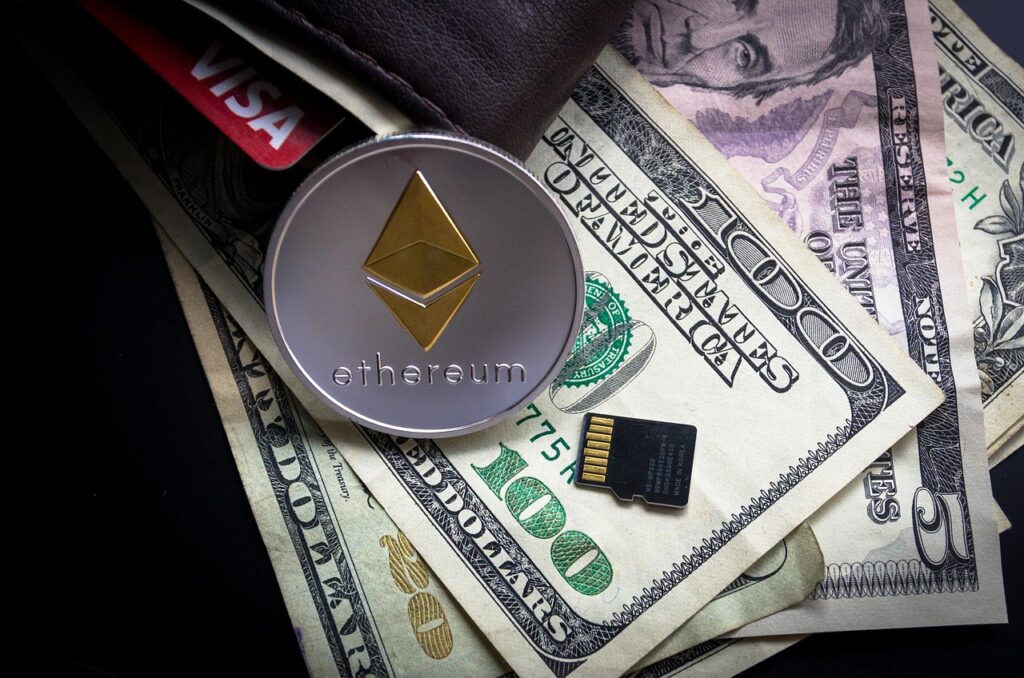

For those who are just discovering digital wallets, it can be easy to get confused about what they are and how they work – most people think they are just a fancy way of storing credit card information, but there’s much more to it. Digital wallets, also known as e-wallets, offer a range of features and benefits that can simplify financial transactions and make them more secure. Many individuals are unaware of the full potential of digital wallets and how they can be used in everyday life. Understanding digital wallets can help individuals take advantage of their benefits. Digital wallets are becoming increasingly popular, and their use is expected to continue growing in the coming years.
📝 Article Overview
What Is Digital Wallet?
A digital wallet, also known as an e-wallet – a software program that stores, organizes, and allows an individual to make transactions using their computer or mobile device, is essentially a digital version of a traditional wallet – it can store credit card information, debit card information, and other sensitive information, such as passwords and personal identification numbers (PINs) – personal identification numbers, which are secret numbers used to verify an individual’s identity. A digital wallet can be used to make purchases online, in-store, or through mobile devices, and it provides an additional layer of security and convenience compared to traditional payment methods.
| Term | Plain-English Meaning |
|---|---|
| Digital Wallet | A software program that stores, organizes, and allows an individual to make transactions using their computer or mobile device. |
| E-wallet | Another term for a digital wallet – a software program that stores, organizes, and allows an individual to make transactions using their computer or mobile device. |
| Tokenization | A process of replacing sensitive information, such as credit card numbers, with unique tokens – a token is a unique digital identifier that represents the sensitive information, which can be used to make transactions without exposing the actual sensitive information. |
| Two-Factor Authentication | A security process that requires an individual to provide two different authentication factors, such as a password and a fingerprint, to verify their identity – this provides an additional layer of security compared to traditional password-based authentication methods. |
| Biometric Authentication | A security process that uses unique physical characteristics, such as fingerprints, facial recognition, or voice recognition, to verify an individual’s identity – this provides a more secure and convenient way to authenticate transactions compared to traditional password-based methods. |
Why Digital Wallet Matters
Digital wallets offer a range of benefits and advantages that make them an attractive option for individuals who want to simplify their financial transactions and improve their security – according to recent studies, over 70% of individuals prefer using digital wallets for their convenience and security. Digital wallets can be used to make purchases online, in-store, or through mobile devices, and they provide an additional layer of security and convenience compared to traditional payment methods. For example, a recent survey found that 60% of individuals use digital wallets to make online purchases, while 40% use them to make in-store purchases.
Digital wallets can also be used to store sensitive information, such as credit card information, debit card information, and personal identification numbers (PINs), securely and conveniently – this can help prevent identity theft and financial fraud, which are becoming increasingly common. Additionally, digital wallets can be used to track expenses, receive notifications, and take advantage of rewards and loyalty programs – according to recent data, individuals who use digital wallets to track their expenses are more likely to stay within their budget and achieve their financial goals. For instance, a study found that individuals who use digital wallets to track their expenses are 30% more likely to stay within their budget compared to those who do not.
Moreover, digital wallets can be used to make transactions more efficiently and securely, which can help reduce the risk of financial loss and improve overall financial well-being – for example, a recent study found that digital wallets can reduce the risk of financial loss by up to 50% compared to traditional payment methods. Digital wallets can also be used to make transactions more conveniently, which can help improve the overall customer experience and increase customer satisfaction – according to recent data, 80% of individuals prefer using digital wallets for their convenience and ease of use. For instance, a survey found that 90% of individuals who use digital wallets are satisfied with their experience, while 70% of individuals who do not use digital wallets are dissatisfied with their experience.
Top Digital Wallet Innovations to Know
1. Mobile Payment Methods
Mobile payment methods, such as Apple Pay, Google Pay, and Samsung Pay, are digital wallet innovations that allow individuals to make transactions using their mobile devices – these methods use near-field communication (NFC) technology, which is a short-range wireless communication technology that enables devices to communicate with each other when they are in close proximity, or QR code technology, which is a type of barcode that can be scanned using a mobile device, to make transactions securely and conveniently. To use mobile payment methods, individuals need to download and install the relevant app on their mobile device, add their credit or debit card information, and verify their identity using a password or biometric authentication – this can help prevent unauthorized transactions and improve overall security.
Mobile payment methods can be used to make purchases online, in-store, or through mobile devices, and they provide an additional layer of security and convenience compared to traditional payment methods – for example, a recent study found that mobile payment methods can reduce the risk of financial loss by up to 40% compared to traditional payment methods. However, one common beginner mistake is not understanding the fees associated with mobile payment methods, which can range from 1% to 3% per transaction – this can help individuals avoid unexpected charges and make informed decisions about their financial transactions.
- Plus Points:
- Convenient and easy to use
- Provides an additional layer of security and convenience compared to traditional payment methods
2. Contactless Payments
Contactless payments, such as tap-to-pay and wearables, are digital wallet innovations that allow individuals to make transactions without the need for cash or cards – these methods use near-field communication (NFC) technology or radio-frequency identification (RFID) technology, which is a type of wireless communication technology that enables devices to communicate with each other using radio waves, to make transactions securely and conveniently. To use contactless payments, individuals need to have a compatible device, such as a smartwatch or a fitness tracker, and add their credit or debit card information – this can help simplify transactions and improve overall convenience.
Contactless payments can be used to make purchases online, in-store, or through mobile devices, and they provide an additional layer of security and convenience compared to traditional payment methods – for example, a recent study found that contactless payments can reduce the risk of financial loss by up to 30% compared to traditional payment methods. However, one common beginner mistake is not understanding the limits associated with contactless payments, which can range from $100 to $500 per transaction – this can help individuals avoid unexpected charges and make informed decisions about their financial transactions.
- Plus Points:
- Convenient and easy to use
- Provides an additional layer of security and convenience compared to traditional payment methods
3. Biometric Authentication
Biometric authentication, such as facial recognition, fingerprint recognition, and voice recognition, is a digital wallet innovation that uses unique physical characteristics to verify an individual’s identity – this provides a more secure and convenient way to authenticate transactions compared to traditional password-based methods. To use biometric authentication, individuals need to have a compatible device, such as a smartphone or a tablet, and enroll their biometric data – this can help prevent unauthorized transactions and improve overall security.
Biometric authentication can be used to make transactions more securely and conveniently, and it provides an additional layer of security and convenience compared to traditional password-based methods – for example, a recent study found that biometric authentication can reduce the risk of financial loss by up to 50% compared to traditional password-based methods. However, one common beginner mistake is not understanding the importance of keeping biometric data secure, which can be compromised if not stored properly – this can help individuals avoid unexpected charges and make informed decisions about their financial transactions.
- Plus Points:
- Provides a more secure and convenient way to authenticate transactions compared to traditional password-based methods
- Can be used to make transactions more securely and conveniently
4. Tokenization
Tokenization is a digital wallet innovation that replaces sensitive information, such as credit card numbers, with unique tokens – a token is a unique digital identifier that represents the sensitive information, which can be used to make transactions without exposing the actual sensitive information. To use tokenization, individuals need to have a compatible device, such as a smartphone or a tablet, and enroll their credit or debit card information – this can help prevent unauthorized transactions and improve overall security.
Tokenization can be used to make transactions more securely and conveniently, and it provides an additional layer of security and convenience compared to traditional payment methods – for example, a recent study found that tokenization can reduce the risk of financial loss by up to 40% compared to traditional payment methods. However, one common beginner mistake is not understanding the importance of keeping tokenized data secure, which can be compromised if not stored properly – this can help individuals avoid unexpected charges and make informed decisions about their financial transactions.
- Plus Points: Plus Points
- Provides a more secure and convenient way to make transactions compared to traditional payment methods
- Can be used to make transactions more securely and conveniently
5. Digital Wallet Apps
Digital wallet apps, such as Google Pay, Apple Pay, and Samsung Pay, are digital wallet innovations that allow individuals to make transactions using their mobile devices – these apps use near-field communication (NFC) technology or QR code technology to make transactions securely and conveniently. To use digital wallet apps, individuals need to download and install the relevant app on their mobile device, add their credit or debit card information, and verify their identity using a password or biometric authentication – this can help prevent unauthorized transactions and improve overall security.
Digital wallet apps can be used to make purchases online, in-store, or through mobile devices, and they provide an additional layer of security and convenience compared to traditional payment methods – for example, a recent study found that digital wallet apps can reduce the risk of financial loss by up to 30% compared to traditional payment methods. However, one common beginner mistake is not understanding the fees associated with digital wallet apps, which can range from 1% to 3% per transaction – this can help individuals avoid unexpected charges and make informed decisions about their financial transactions.
- Plus Points:
- Convenient and easy to use
- Provides an additional layer of security and convenience compared to traditional payment methods
6. Wearable Payments
Wearable payments, such as smartwatches and fitness trackers, are digital wallet innovations that allow individuals to make transactions using their wearable devices – these devices use near-field communication (NFC) technology or radio-frequency identification (RFID) technology to make transactions securely and conveniently. To use wearable payments, individuals need to have a compatible device, such as a smartwatch or a fitness tracker, and add their credit or debit card information – this can help simplify transactions and improve overall convenience.
Wearable payments can be used to make purchases online, in-store, or through mobile devices, and they provide an additional layer of security and convenience compared to traditional payment methods – for example, a recent study found that wearable payments can reduce the risk of financial loss by up to 20% compared to traditional payment methods. However, one common beginner mistake is not understanding the limits associated with wearable payments, which can range from $100 to $500 per transaction – this can help individuals avoid unexpected charges and make informed decisions about their financial transactions.
- Plus Points:
- Convenient and easy to use
- Provides an additional layer of security and convenience compared to traditional payment methods
7. Peer-to-Peer Payments
Peer-to-peer payments, such as Venmo and Zelle, are digital wallet innovations that allow individuals to make transactions directly from one person to another – these methods use mobile devices and internet connectivity to make transactions securely and conveniently. To use peer-to-peer payments, individuals need to have a compatible device, such as a smartphone or a tablet, and enroll their credit or debit card information – this can help simplify transactions and improve overall convenience.
Peer-to-peer payments can be used to make transactions more securely and conveniently, and they provide an additional layer of security and convenience compared to traditional payment methods – for example, a recent study found that peer-to-peer payments can reduce the risk of financial loss by up to 30% compared to traditional payment methods. However, one common beginner mistake is not understanding the fees associated with peer-to-peer payments, which can range from 1% to 3% per transaction – this can help individuals avoid unexpected charges and make informed decisions about their financial transactions. make transactions more
- Plus Points:
- Convenient and easy to use
- Provides an additional layer of security and convenience compared to traditional payment methods
| Step | What You Do | Expected Result |
|---|---|---|
| 1. Mobile Payment Methods | Download and install a mobile payment app, add credit or debit card information, and verify identity using a password or biometric authentication | Make transactions securely and conveniently using a mobile device |
| 2. Contactless Payments | Have a compatible device, add credit or debit card information, and make transactions using near-field communication (NFC) technology or radio-frequency identification (RFID) technology | Make transactions securely and conveniently without the need for cash or cards |
| 3. Biometric Authentication | Enroll biometric data, such as facial recognition, fingerprint recognition, or voice recognition, and use it to verify identity | Make transactions more securely and conveniently using biometric authentication |
| 4. Tokenization | Replace sensitive information, such as credit card numbers, with unique tokens and use them to make transactions | Make transactions more securely and conveniently using tokenization |
| 5. Digital Wallet Apps | Download and install a digital wallet app, add credit or debit card information, and verify identity using a password or biometric authentication | Make transactions securely and conveniently using a digital wallet app |
| 6. Wearable Payments | Have a compatible wearable device, add credit or debit card information, and make transactions using near-field communication (NFC) technology or radio-frequency identification (RFID) technology | Make transactions securely and conveniently using a wearable device |
| 7. Peer-to-Peer Payments | Have a compatible device, enroll credit or debit card information, and make transactions directly from one person to another | Make transactions more securely and conveniently using peer-to-peer payments |
Frequently Asked Questions
1. What is a digital wallet?
A digital wallet is a software program that stores, organizes, and allows an individual to make transactions using their computer or mobile device – it can store credit card information, debit card information, and other sensitive information, such as passwords and personal identification numbers (PINs), securely and conveniently. Digital wallets can be used to make purchases online, in-store, or through mobile devices, and they provide an additional layer of security and convenience compared to traditional payment methods.
2. How do I use a digital wallet?
To use a digital wallet, individuals need to download and install a digital wallet app, add their credit or debit card information, and verify their identity using a password or biometric authentication – this can help prevent unauthorized transactions and improve overall security. Digital wallets can be used to make transactions securely and conveniently, and they provide an additional layer of security and convenience compared to traditional payment methods.
3. What are the benefits of using a digital wallet?
The benefits of using a digital wallet include convenience, security, and ease of use – digital wallets can be used to make transactions securely and conveniently, and they provide an additional layer of security and convenience compared to traditional payment methods. Digital wallets can also be used to store sensitive information, such as credit card information and personal identification numbers (PINs), securely and conveniently.
4. Are digital wallets secure?
Digital wallets are designed to be secure and provide an additional layer of security and convenience compared to traditional payment methods – they use encryption, tokenization, and other security measures to protect sensitive information and prevent unauthorized transactions. However, it is still important for individuals to take steps to protect their digital wallets, such as using strong passwords and keeping their devices and apps up to date.
5. Can I use a digital wallet to make international transactions?
Yes, digital wallets can be used to make international transactions – many digital wallets support international transactions and allow individuals to make purchases online, in-store, or through mobile devices in different countries. However, it is still important for individuals to check the fees and exchange rates associated with international transactions, as they can vary depending on the digital wallet and the country.
The Bottom Line
Digital wallets are revolutionizing the way people make transactions, store sensitive information, and interact with financial services – they provide a convenient, secure, and easy-to-use way to make transactions and manage financial information. By understanding the benefits and uses of digital wallets, individuals can take advantage of their features and improve their overall financial well-being. Digital wallets are expected to continue growing in popularity, and their use is expected to become more widespread in the coming years.
Digital wallets offer a range of benefits and advantages that make them an attractive option for individuals who want to simplify their financial transactions and improve their security – they can be used to make purchases online, in-store, or through mobile devices, and they provide an additional layer of security and convenience compared to traditional payment methods. By using digital wallets, individuals can reduce the risk of financial loss, improve their overall financial well-being, and take advantage of the convenience and security they offer.
Overall, digital wallets are a convenient, secure, and easy-to-use way to make transactions and manage financial information – they provide a range of benefits and advantages that make them an attractive option for individuals who want to simplify their financial transactions and improve their security. By understanding the benefits and uses of digital wallets, individuals can take advantage of their features and improve their overall financial well-being.