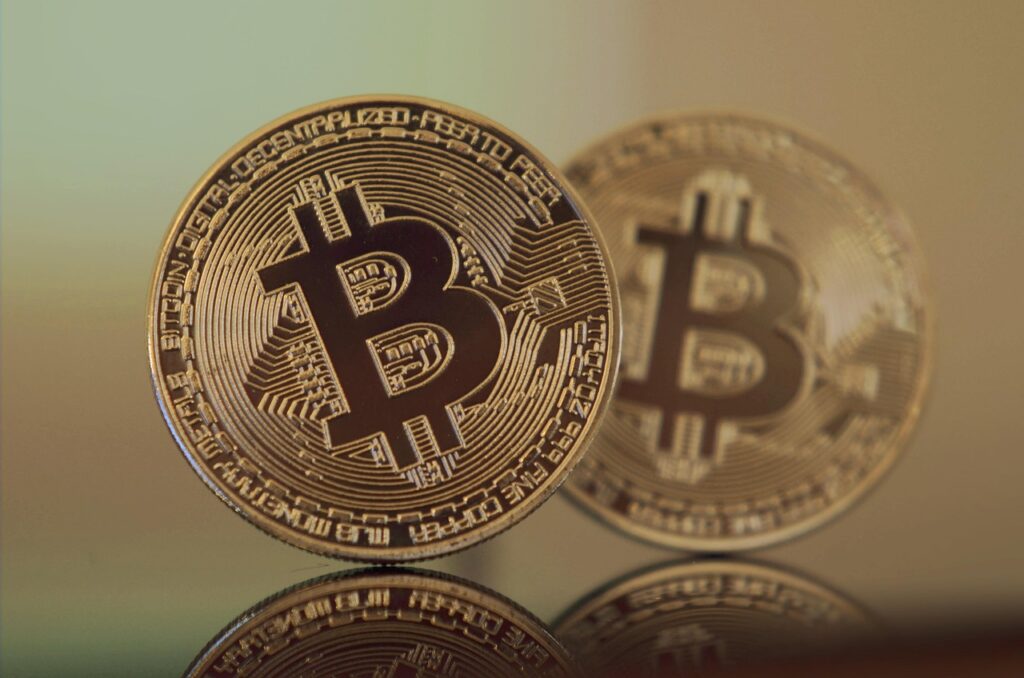

Are you considering investing in cryptocurrency but unsure where to start? Choosing the right cryptocurrency matters, as it can significantly impact your investment returns and overall financial security. The cryptocurrency market has experienced tremendous growth over the past decade, with new coins and tokens emerging regularly. However, this rapid expansion also means that investors must stay informed to make smart decisions. Here’s the key thing to understand: the cryptocurrency landscape is constantly evolving, and what works today may not work tomorrow. Most people miss this crucial aspect, leading to potential financial losses. The right approach can help you navigate this complex market and achieve your financial goals.
📝 Table of Contents
Breaking Down Cryptocurrency
Before diving into the world of cryptocurrency, it’s essential to understand the fundamental concepts and key metrics that drive this market. Cryptocurrency is a digital or virtual currency that uses cryptography for security and is decentralized, meaning it’s not controlled by any government or institution. The most well-known cryptocurrency is Bitcoin, but there are many others, including Ethereum, Litecoin, and Ripple. To evaluate these options, consider the following key metrics: market capitalization, transaction speed, security, and scalability.
Here’s a table summarizing some key metrics for popular cryptocurrencies:
| Cryptocurrency | Market Capitalization | Transaction Speed | Security |
|---|---|---|---|
| Bitcoin | $1.2 trillion | 10 minutes | High |
| Ethereum | $500 billion | 15 seconds | High |
| Litecoin | $10 billion | 2.5 minutes | Medium |
| Ripple | $50 billion | 2 seconds | High |
Top Cryptocurrency Innovations to Know
Bitcoin
Bitcoin is the first and most well-known cryptocurrency, created in 2009 by an individual or group using the pseudonym Satoshi Nakamoto. It’s a decentralized digital currency that allows for peer-to-peer transactions without the need for a central authority. Bitcoin’s market capitalization is over $1.2 trillion, making it the largest cryptocurrency by market capitalization.
- What You Gain:
- High liquidity due to its large market capitalization
- Wide acceptance among merchants and exchanges
- Strong security due to its decentralized nature and cryptographic algorithms
- What Needs Work:
- Slow transaction speed compared to other cryptocurrencies
- High energy consumption due to its proof-of-work consensus algorithm
Best for: Investors looking for a stable and widely accepted cryptocurrency.
Ethereum
Ethereum is an open-source, decentralized, blockchain-based platform that enables the creation of smart contracts and decentralized applications (dApps). It’s the second-largest cryptocurrency by market capitalization, with a market cap of over $500 billion. Ethereum’s native cryptocurrency is Ether (ETH), which is used to pay for transaction fees and computational services on the network.
- What You Gain:
- Fast transaction speed due to its proof-of-stake consensus algorithm
- Support for smart contracts and decentralized applications
- Large and active developer community
- What Needs Work:
- High gas fees due to network congestion
- Complexity of the platform can be overwhelming for new users
Best for: Developers and investors interested in the potential of smart contracts and decentralized applications.
Litecoin
Litecoin is a peer-to-peer cryptocurrency and open-source software project released under the MIT/X11 license. It was created in 2011 by Charlie Lee, a former Google employee, as a faster and more lightweight alternative to Bitcoin. Litecoin’s market capitalization is around $10 billion, making it a smaller but still significant player in the cryptocurrency market.
- What You Gain:
- Faster transaction speed compared to Bitcoin
- Lower transaction fees
- High liquidity due to its wide acceptance among merchants and exchanges
- What Needs Work:
- Lower market capitalization compared to Bitcoin and Ethereum
- Less secure than Bitcoin due to its smaller network and lower hash rate
Best for: Investors looking for a faster and more lightweight alternative to Bitcoin.
Ripple
Ripple is a real-time gross settlement system (RTGS) that enables fast and low-cost international payments. It was created in 2012 by Ripple Labs Inc., a technology company based in San Francisco. Ripple’s market capitalization is around $50 billion, making it a significant player in the cryptocurrency market.
- What You Gain:
- Fast transaction speed, with most transactions settling in under 2 seconds
- Low transaction fees
- Partnerships with major banks and financial institutions
- What Needs Work:
- Centralized nature of the platform, which may raise concerns about security and decentralization
- Limited use cases beyond cross-border payments
Best for: Investors and institutions looking for a fast and low-cost solution for international payments.
Stellar
Stellar is an open-source, decentralized blockchain network that enables fast and low-cost cross-border payments. It was created in 2014 by Jed McCaleb, the co-founder of Ripple, and Joyce Kim. Stellar’s market capitalization is around $10 billion, making it a smaller but still significant player in the cryptocurrency market.
- What You Gain:
- Fast transaction speed, with most transactions settling in under 5 seconds
- Low transaction fees
- Partnerships with major institutions and organizations
- What Needs Work:
- Limited use cases beyond cross-border payments
- Smaller market capitalization compared to other major cryptocurrencies
Best for: Investors and institutions looking for a fast and low-cost solution for international payments.
| Option | Best For | Difficulty | Cost | Speed |
|---|---|---|---|---|
| Bitcoin | Investors looking for a stable and widely accepted cryptocurrency | Medium | High | Slow |
| Ethereum | Developers and investors interested in the potential of smart contracts and decentralized applications | High | Medium | Fast |
| Litecoin | Investors looking for a faster and more lightweight alternative to Bitcoin | Low | Low | Fast |
| Ripple | Investors and institutions looking for a fast and low-cost solution for international payments | Medium | Low | Very Fast |
| Stellar | Investors and institutions looking for a fast and low-cost solution for international payments | Low | Low | Fast |
How to Choose the Right One
Choosing the right cryptocurrency depends on several factors, including your investment goals, risk tolerance, and level of expertise. Here are some key decision factors to consider: market capitalization, transaction speed, security, and use cases. Market capitalization is a measure of the total value of a cryptocurrency’s outstanding tokens. A higher market capitalization generally indicates a more stable and widely accepted cryptocurrency. Transaction speed refers to the time it takes for a transaction to be processed and confirmed on the blockchain. Faster transaction speeds can be beneficial for investors who need to quickly move funds. Security is a critical factor, as it determines the level of protection against hacking and other cyber threats. Use cases refer to the potential applications and benefits of a particular cryptocurrency.
Another important factor to consider is the consensus algorithm used by a cryptocurrency. The consensus algorithm determines how transactions are validated and added to the blockchain. Proof-of-work (PoW) and proof-of-stake (PoS) are two common consensus algorithms used in cryptocurrencies. PoW requires significant computational power to validate transactions, while PoS relies on the stake or amount of tokens held by a validator. Each consensus algorithm has its own advantages and disadvantages, and the choice of algorithm can impact the security, scalability, and energy efficiency of a cryptocurrency.
In addition to these factors, it’s essential to consider the regulatory environment and potential risks associated with a particular cryptocurrency. The regulatory environment can impact the adoption and use of a cryptocurrency, as well as its potential for growth. Risks can include market volatility, security threats, and potential regulatory changes. By carefully evaluating these factors, investors can make informed decisions and choose the right cryptocurrency for their needs. potential risks associated
Ultimately, the right cryptocurrency for you will depend on your individual circumstances and goals. It’s essential to do your own research, consider multiple factors, and consult with experts before making any investment decisions. By taking a thoughtful and informed approach, you can navigate the complex world of cryptocurrency and achieve your financial objectives.
Why This Matters to You
Picking the right cryptocurrency can have a significant impact on your investment returns and overall financial security. By choosing a stable and widely accepted cryptocurrency, you can minimize your risk and maximize your potential for growth. Additionally, the right cryptocurrency can provide you with access to new and innovative technologies, such as smart contracts and decentralized applications.
The cryptocurrency market is constantly evolving, with new developments and innovations emerging regularly. By staying informed and up-to-date, you can take advantage of these developments and stay ahead of the curve. Whether you’re a seasoned investor or just starting out, the right cryptocurrency can help you achieve your financial goals and secure your financial future.
The potential benefits of cryptocurrency extend beyond investment returns, as well. Cryptocurrencies can provide a secure and efficient way to transfer funds, both domestically and internationally. They can also provide access to financial services for underserved populations and promote financial inclusion. By choosing the right cryptocurrency, you can tap into these benefits and contribute to the growth and development of the cryptocurrency ecosystem.
In addition to these benefits, the right cryptocurrency can also provide a level of diversification for your investment portfolio. By investing in a cryptocurrency, you can reduce your reliance on traditional assets, such as stocks and bonds, and increase your potential for returns. This can be especially beneficial during times of market volatility, as cryptocurrencies can provide a hedge against traditional asset classes.
Furthermore, the right cryptocurrency can provide a level of security and protection for your funds. By using a secure and reputable cryptocurrency, you can protect your funds from hacking and other cyber threats. This can be especially important for investors who are new to the cryptocurrency market and may not have experience with online security measures.
Finally, the right cryptocurrency can provide a level of innovation and excitement for investors. By investing in a cryptocurrency, you can tap into the latest developments and innovations in the field, such as blockchain technology and decentralized applications. This can be especially beneficial for investors who are looking for a sense of community and connection with others who share their interests.
Worth Remembering
The key to choosing the right cryptocurrency is to carefully evaluate the market capitalization, transaction speed, security, and use cases of each option. By considering these factors and staying informed about the latest developments and innovations, you can make informed decisions and achieve your financial objectives. Remember to always do your own research, consider multiple factors, and consult with experts before making any investment decisions. By taking a thoughtful and informed approach, you can navigate the complex world of cryptocurrency and secure your financial future.