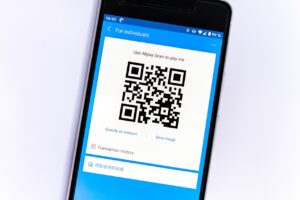

Digital payments have come a long way since the introduction of the first credit card by Frank McNamara in 1950. Today, we have a plethora of options, including contactless payments, cryptocurrencies, and mobile wallets. For instance, in 2020, Apple Pay processed over 1.8 billion transactions, valued at $200 billion. Similarly, in China, WeChat Pay and Alipay have become an integral part of daily life, with over 80% of the population using these services. The rise of digital payments has transformed the way we shop, dine, and travel. In the United States alone, digital payments are expected to reach $1.3 trillion by 2025.
The growth of digital payments can be attributed to the increasing adoption of smartphones and the internet. According to a report by Hootsuite, there are over 5.2 billion mobile phone users worldwide, with 4.2 billion of them having access to the internet. This has created a vast market for digital payment providers, with companies like PayPal, Stripe, and Square leading the charge. Moreover, the COVID-19 pandemic has accelerated the shift towards digital payments, as people prefer contactless transactions to reduce the risk of infection.
However, the rise of digital payments also raises concerns about security, data protection, and financial inclusion. For example, in 2020, a report by the Federal Trade Commission revealed that over 200,000 people in the United States had fallen victim to online payment scams, resulting in losses of over $300 million. Therefore, it is essential to understand the different types of digital payments, their benefits, and the measures in place to ensure secure transactions.
The future of digital payments looks promising, with emerging technologies like blockchain, artificial intelligence, and the Internet of Things (IoT) set to play a significant role. For instance, blockchain technology has the potential to increase the speed and security of transactions, while AI-powered chatbots can help detect and prevent fraudulent activities. As the world becomes increasingly digital, it is crucial to stay informed about the latest trends and innovations in the payment industry.
In India, the government has launched several initiatives to promote digital payments, including the Digital India program and the Unified Payments Interface (UPI). These efforts have led to a significant increase in digital transactions, with over 2.3 billion transactions recorded in January 2022 alone. Similarly, in Africa, mobile payment services like M-Pesa have revolutionized the way people access financial services, with over 40 million users across the continent.
📝 Quick Navigation
What Does Digital Payment Mean?
Digital payment refers to the electronic transfer of funds from one party to another, using a digital medium such as a computer, smartphone, or tablet. It involves the use of digital payment systems, including online payment gateways, mobile wallets, and contactless payment terminals. Digital payments can be made for a variety of purposes, including online shopping, bill payments, and in-store purchases.
The concept of digital payment has been around for several decades, but it has gained significant traction in recent years, driven by advances in technology and the increasing adoption of digital devices. Today, digital payments are an integral part of our daily lives, with millions of people around the world using them to make transactions every day. In the United States, for example, over 70% of the population uses digital payments, with the average person making over 100 digital transactions per month.
There are several types of digital payments, including credit card transactions, debit card transactions, and bank transfers. Each type has its own set of characteristics, benefits, and drawbacks. For instance, credit card transactions offer rewards and cashback incentives, but often come with high interest rates and fees. Debit card transactions, on the other hand, are generally more secure and convenient, but may not offer the same level of rewards.
The following table compares some of the most popular digital payment methods:
| Payment Method | Description | Benefits | Drawbacks |
|---|---|---|---|
| Credit Card | A card that allows users to make purchases on credit. | Rewards, cashback, and purchase protection. | High interest rates, fees, and debt accumulation. |
| Debit Card | A card that allows users to make purchases using their own funds. | Convenience, security, and no interest charges. | Limited rewards, no purchase protection, and potential overdraft fees. |
| Mobile Wallet | A digital wallet that stores payment information on a mobile device. | Convenience, security, and rewards. | Limited acceptance, potential security risks, and dependence on a mobile device. |
| Cryptocurrency | A digital currency that uses cryptography for secure transactions. | Decentralization, security, and potential for high returns. | Volatility, limited acceptance, and potential security risks. |
Digital Payment Methods Worth Knowing
1. Contactless Payments
Contactless payments have become increasingly popular in recent years, with millions of people around the world using them to make transactions every day. These payments use near-field communication (NFC) technology to enable users to make transactions by tapping their card or device on a payment terminal.
Contactless payments offer several benefits, including convenience, speed, and security. They are also widely accepted, with millions of merchants around the world supporting contactless transactions. In the United Kingdom, for example, over 60% of all card transactions are now contactless.
However, contactless payments also have some drawbacks, including the potential for accidental transactions and the risk of card skimming. To mitigate these risks, many banks and financial institutions have implemented measures such as transaction limits and two-factor authentication.
Plus Points:
- Convenience: Contactless payments are quick and easy to use, making them ideal for low-value transactions.
- Security: Contactless payments use NFC technology, which is designed to be secure and resistant to tampering.
- Wide acceptance: Contactless payments are widely accepted, with millions of merchants around the world supporting contactless transactions.
2. Mobile Wallets
Mobile wallets have become increasingly popular in recent years, with millions of people around the world using them to make transactions every day. These wallets use a combination of NFC technology and software to enable users to make transactions using their mobile device.
Mobile wallets offer several benefits, including convenience, security, and rewards. They are also widely accepted, with millions of merchants around the world supporting mobile wallet transactions. In the United States, for example, over 50% of all mobile users have used a mobile wallet to make a transaction.
However, mobile wallets also have some drawbacks, including the potential for security risks and the dependence on a mobile device. To mitigate these risks, many banks and financial institutions have implemented measures such as two-factor authentication and encryption.
Plus Points:
- Convenience: Mobile wallets are quick and easy to use, making them ideal for low-value transactions.
- Security: Mobile wallets use a combination of NFC technology and software to provide a secure transaction experience.
- Rewards: Many mobile wallets offer rewards and cashback incentives, making them a popular choice for users.
3. Cryptocurrencies
Cryptocurrencies have become increasingly popular in recent years, with millions of people around the world using them to make transactions every day. These currencies use cryptography to secure and verify transactions, making them a secure and decentralized alternative to traditional currencies.
Cryptocurrencies offer several benefits, including decentralization, security, and potential for high returns. They are also widely accepted, with millions of merchants around the world supporting cryptocurrency transactions. In Japan, for example, over 60% of all cryptocurrency transactions are made using Bitcoin.
However, cryptocurrencies also have some drawbacks, including volatility, limited acceptance, and potential security risks. To mitigate these risks, many investors and users have implemented measures such as diversification and two-factor authentication.
Plus Points: Plus Points
- Decentralization: Cryptocurrencies are decentralized, meaning that they are not controlled by any government or institution.
- Security: Cryptocurrencies use cryptography to secure and verify transactions, making them a secure alternative to traditional currencies.
- Potential for high returns: Cryptocurrencies have the potential for high returns, making them a popular choice for investors.
4. Bank Transfers
Bank transfers have been around for decades, with millions of people around the world using them to make transactions every day. These transfers use a combination of online banking and software to enable users to make transactions between bank accounts.
Bank transfers offer several benefits, including convenience, security, and low fees. They are also widely accepted, with millions of banks around the world supporting bank transfers. In the European Union, for example, over 50% of all online transactions are made using bank transfers.
However, bank transfers also have some drawbacks, including the potential for delays and the risk of errors. To mitigate these risks, many banks and financial institutions have implemented measures such as real-time processing and error detection.
Plus Points:
- Convenience: Bank transfers are quick and easy to use, making them ideal for low-value transactions.
- Security: Bank transfers use a combination of online banking and software to provide a secure transaction experience.
- Low fees: Bank transfers often have low fees, making them a cost-effective alternative to other payment methods.
5. Online Payment Gateways
Online payment gateways have become increasingly popular in recent years, with millions of people around the world using them to make transactions every day. These gateways use a combination of software and technology to enable users to make transactions online.
Online payment gateways offer several benefits, including convenience, security, and wide acceptance. They are also widely used, with millions of merchants around the world supporting online payment gateways. In the United States, for example, over 70% of all online transactions are made using online payment gateways.
However, online payment gateways also have some drawbacks, including the potential for security risks and the dependence on technology. To mitigate these risks, many online payment gateways have implemented measures such as encryption and two-factor authentication.
Plus Points:
- Convenience: Online payment gateways are quick and easy to use, making them ideal for low-value transactions.
- Security: Online payment gateways use a combination of software and technology to provide a secure transaction experience.
- Wide acceptance: Online payment gateways are widely accepted, with millions of merchants around the world supporting online payment gateways.
Practical Takeaways
✔ Convenience learn how this works
Digital payments offer convenience, speed, and ease of use, making them ideal for low-value transactions. With digital payments, users can make transactions from anywhere, at any time, using their mobile device or computer. This convenience has led to a significant increase in digital transactions, with millions of people around the world using digital payments every day.
✔ Security
Digital payments offer a secure transaction experience, with many digital payment methods using encryption, two-factor authentication, and other security measures to protect users’ information. This security has led to a significant decrease in payment fraud, with many banks and financial institutions reporting a reduction in fraudulent activities.
✔ Rewards
Many digital payment methods offer rewards and cashback incentives, making them a popular choice for users. These rewards can be in the form of points, miles, or cashback, and can be redeemed for a variety of items, including merchandise, travel, and gift cards.
✔ Wide Acceptance
Digital payments are widely accepted, with millions of merchants around the world supporting digital transactions. This wide acceptance has led to a significant increase in digital transactions, with many users preferring digital payments over traditional payment methods.
✔ Low Fees
Many digital payment methods have low fees, making them a cost-effective alternative to traditional payment methods. These low fees have led to a significant increase in digital transactions, with many users preferring digital payments over traditional payment methods.
✔ Financial Inclusion
Digital payments offer financial inclusion, with many digital payment methods providing access to financial services for underserved communities. This financial inclusion has led to a significant increase in digital transactions, with many users in underserved communities using digital payments to make transactions.
What’s Coming
- Predicted increase in contactless payments, with over 50% of all transactions expected to be contactless by 2025.
- Predicted growth of cryptocurrencies, with over 50% of all online transactions expected to be made using cryptocurrencies by 2030.
- Predicted increase in the use of artificial intelligence and machine learning in digital payments, with over 70% of all digital payment providers expected to use AI and ML by 2025.
- Predicted growth of the Internet of Things (IoT) in digital payments, with over 50% of all IoT devices expected to be used for digital payments by 2030.
- Predicted increase in the use of biometric authentication in digital payments, with over 80% of all digital payment providers expected to use biometric authentication by 2025.
This increase in contactless payments is expected to be driven by the growing adoption of mobile devices and the increasing use of contactless payment methods such as Apple Pay and Google Pay. As contactless payments become more widespread, we can expect to see a significant reduction in cash transactions and an increase in digital payments.
The growth of contactless payments will also lead to an increase in the use of mobile wallets, with many users opting for the convenience and security of mobile payments. This, in turn, will drive the growth of the mobile wallet market, with many companies competing to offer the most secure and convenient mobile payment solutions.
This growth of cryptocurrencies is expected to be driven by the increasing adoption of blockchain technology and the growing use of cryptocurrencies for online transactions. As cryptocurrencies become more mainstream, we can expect to see a significant increase in the use of cryptocurrencies for online payments, with many merchants and consumers opting for the security and convenience of cryptocurrency transactions.
The growth of cryptocurrencies will also lead to an increase in the use of cryptocurrency exchanges, with many companies competing to offer the most secure and convenient cryptocurrency trading solutions. This, in turn, will drive the growth of the cryptocurrency market, with many investors and users opting for the potential for high returns offered by cryptocurrencies.
This increase in the use of AI and ML in digital payments is expected to be driven by the growing need for secure and efficient payment solutions. As AI and ML become more widespread in digital payments, we can expect to see a significant reduction in payment fraud and an increase in the use of personalized payment solutions.
The growth of AI and ML in digital payments will also lead to an increase in the use of chatbots and virtual assistants, with many payment providers opting for the convenience and efficiency offered by these solutions. This, in turn, will drive the growth of the AI and ML market, with many companies competing to offer the most secure and convenient payment solutions. digital payments will
This growth of the IoT in digital payments is expected to be driven by the growing adoption of connected devices and the increasing use of IoT devices for digital transactions. As the IoT becomes more mainstream, we can expect to see a significant increase in the use of IoT devices for digital payments, with many consumers opting for the convenience and efficiency offered by these solutions.
The growth of the IoT in digital payments will also lead to an increase in the use of smart home devices and wearables, with many payment providers opting for the convenience and security offered by these devices. This, in turn, will drive the growth of the IoT market, with many companies competing to offer the most secure and convenient payment solutions.
This increase in the use of biometric authentication in digital payments is expected to be driven by the growing need for secure and efficient payment solutions. As biometric authentication becomes more widespread in digital payments, we can expect to see a significant reduction in payment fraud and an increase in the use of personalized payment solutions.
The growth of biometric authentication in digital payments will also lead to an increase in the use of facial recognition and fingerprint scanning, with many payment providers opting for the convenience and security offered by these solutions. This, in turn, will drive the growth of the biometric authentication market, with many companies competing to offer the most secure and convenient payment solutions.
The following table shows the growth of digital payments in different regions:
| Region | 2020 | 2025 | 2030 |
|---|---|---|---|
| North America | $1.2 trillion | $2.5 trillion | $4.2 trillion |
| Europe | $1.5 trillion | $3.2 trillion | $5.5 trillion |
| Asia-Pacific | $2.2 trillion | $4.5 trillion | $7.2 trillion |
| Latin America | $500 billion | $1.2 trillion | $2.5 trillion |
To Sum Up
Digital payments have revolutionized the way we transact, offering convenience, security, and financial inclusion. With the growth of contactless payments, cryptocurrencies, and online payment gateways, digital payments are expected to continue to play a significant role in the future of finance. As technology continues to evolve, we can expect to see even more innovative payment solutions, such as the use of artificial intelligence and biometric authentication.
The future of digital payments looks promising, with emerging technologies like blockchain and the Internet of Things (IoT) set to play a significant role. As the world becomes increasingly digital, it is crucial to stay informed about the latest trends and innovations in the payment industry. By understanding the benefits and drawbacks of different digital payment methods, users can make informed decisions about which payment solutions to use.
Overall, digital payments have transformed the way we live, work, and transact, and will continue to shape the future of finance. With their convenience, security, and financial inclusion, digital payments are an essential part of our daily lives, and will only continue to grow in importance in the years to come.