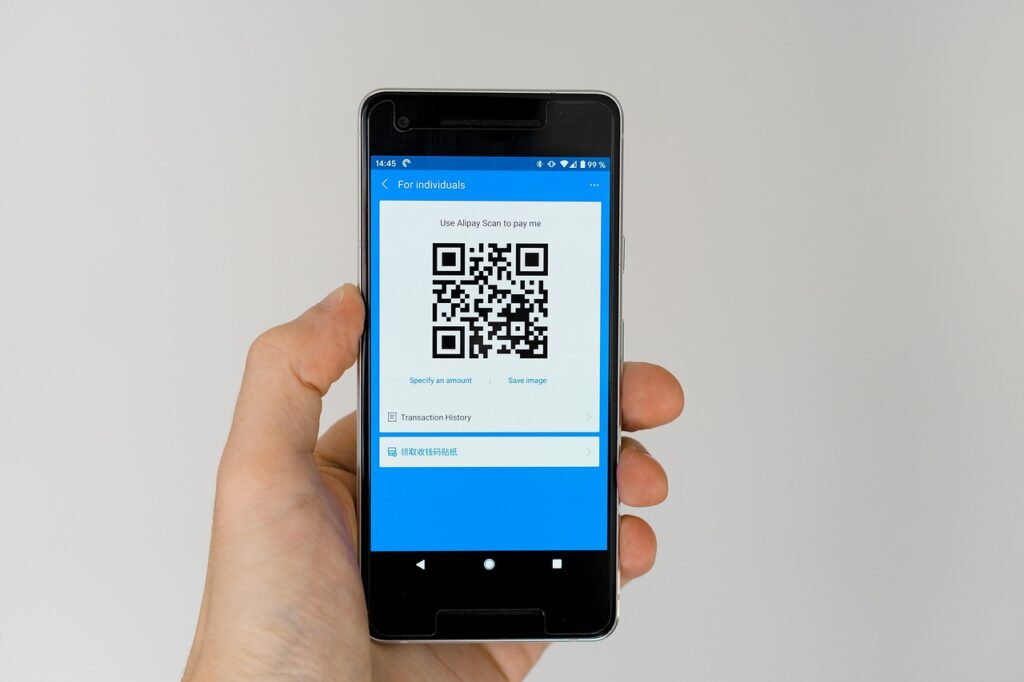

When it comes to choosing a payment app, most people rely on word of mouth or basic online searches, often overlooking crucial details about fees, security, and user experience. This approach can lead to dissatisfaction or even financial loss. Here’s the key thing to understand: not all payment apps are created equal, and what works for one person may not work for another. Most people miss this crucial point, ending up with an app that doesn’t meet their needs. The variety of payment apps available can be overwhelming, making it hard to discern which ones are reliable, efficient, and cost-effective. By examining real examples and reviews, individuals can make more informed decisions. Understanding the nuances of each app is essential for a smooth and secure payment experience.
📝 Table of Contents
A Closer Look at Payment Apps
A payment app is essentially a digital platform that enables users to send, receive, and manage money through their mobile devices. These apps have become increasingly popular due to their convenience, speed, and the range of services they offer. From splitting bills with friends to making international transactions, payment apps have revolutionized the way people handle financial transactions. However, with so many options available, it’s crucial to understand what each app offers in terms of features, security, and fees. Here’s a comparison of some of the most popular payment apps:
| App Name | Transaction Fees | Security Features | User Reviews |
|---|---|---|---|
| PayPal | 2.9% + $0.30 per transaction | Encryption, two-factor authentication | 4.5/5 |
| Stripe | 2.9% + $0.30 per transaction | SSL encryption, fraud detection | 4.5/5 |
| Venmo | 3% for credit card transactions | Encryption, PIN protection | 4.5/5 |
| Apple Pay | No transaction fees for users | Tokenization, Touch ID/Face ID | 4.8/5 |
Each of these apps has its unique set of features and benefits, catering to different user needs. For instance, while PayPal is widely accepted and offers a range of services, Venmo is known for its social features and ease of use among friends. Apple Pay, on the other hand, integrates seamlessly with Apple devices, providing a secure and convenient payment method.
Leading Payment App Solutions
1. PayPal: The Veteran in Digital Payments
PayPal is one of the oldest and most recognizable payment apps, offering a broad spectrum of services including online payments, money transfers, and even debit and credit card services. Its wide acceptance and versatility make it a popular choice among users. However, it also comes with transaction fees that can add up for frequent users. most recognizable payment
In detail, PayPal’s strength lies in its security features, which include encryption and two-factor authentication, ensuring that transactions are secure. Additionally, its user interface is intuitive, making it easy for new users to navigate and start using the app immediately.
- Key Benefits:
- Wide acceptance among online retailers and services.
- Offers buyer and seller protection for secure transactions.
- Easy to use, with a user-friendly interface for sending and receiving money.
2. Stripe: The Developer’s Choice
Stripe is known for its flexibility and customization options, making it a favorite among developers and businesses looking to integrate payment systems into their platforms. It offers a range of APIs and tools for creating tailored payment experiences.
Stripe’s detailed approach to payment processing includes advanced fraud detection and machine learning algorithms to minimize risks. It also provides excellent customer support, which is crucial for businesses handling complex payment systems.
- Key Benefits:
- Highly customizable payment solutions for businesses.
- Advanced security features, including fraud detection and SSL encryption.
- Excellent customer support for developers and businesses.
3. Venmo: The Social Payment App
Venmo stands out for its social features, allowing users to share payments and purchases on a social feed, making it a popular choice among friends and younger users. It’s known for its ease of use and the ability to send money with just a few taps.
In more detail, Venmo’s social aspect is its strongest feature, allowing users to split bills, share expenses, and even leave notes and emojis with their transactions. This makes it highly engaging and accessible, especially for casual, peer-to-peer transactions.
- Key Benefits:
- Social features that make transactions more engaging and personal.
- Easy to use, with a simple and intuitive interface.
- Low fees for most transactions, especially for debit card users.
4. Apple Pay: The Secure and Convenient Option
Apple Pay is integrated into Apple devices, offering a seamless payment experience with the added security of Touch ID or Face ID. It’s known for its convenience and the lack of transaction fees for users, making it a preferred choice for many Apple device owners.
Apple Pay’s detailed security features include tokenization, which replaces the actual credit or debit card number with a unique digital token, enhancing transaction security. Additionally, its integration with Apple devices means that setting it up is extremely straightforward for Apple users.
- Key Benefits:
- Highly secure, using tokenization and biometric authentication.
- Convenient, with easy setup and use on Apple devices.
- No transaction fees for users, making it cost-effective.
5. Google Pay: The Versatile Option
Google Pay offers a versatile payment solution that works with both Google devices and a wide range of other platforms. It’s known for its simplicity and the ability to store loyalty cards, gift cards, and even boarding passes, making it a one-stop-shop for mobile payments.
In detail, Google Pay’s strength lies in its compatibility with a broad range of devices and services, including online payments, in-app purchases, and contactless transactions. It also integrates well with other Google services, enhancing its utility for Google ecosystem users.
- Key Benefits:
- Versatile, working with a wide range of devices and platforms.
- Convenient, allowing users to store various types of cards and passes.
- Secure, using encryption and Google’s robust security infrastructure.
How This Affects Everyday Life
✔ Convenience
The use of payment apps brings about a significant level of convenience, allowing users to make transactions with just a few taps on their mobile devices. This eliminates the need to carry cash or physical cards, streamlining the payment process. payment apps brings
✔ Financial Inclusion
Payment apps also contribute to financial inclusion by providing access to financial services for individuals who may not have traditional banking services available to them. This can be especially beneficial in underbanked regions or for people with limited access to financial institutions.
✔ Security
The security features of payment apps offer users a high level of protection against fraud and theft. Advanced encryption, biometric authentication, and other security measures ensure that transactions are secure, reducing the risk of financial loss.
✔ Cost-Effectiveness
Many payment apps offer cost-effective solutions for transactions, with some providing no-fee transactions for certain types of payments. This can be particularly beneficial for frequent users, reducing overall transaction costs.
✔ Accessibility
Payment apps enhance accessibility by allowing users to manage their finances and make transactions from anywhere, at any time, using their mobile devices. This is especially beneficial for individuals with mobility issues or those living in remote areas.
✔ Efficiency
The efficiency of payment apps streamlines financial transactions, saving users time and effort. Automatic record-keeping and instant transaction notifications also help users keep track of their finances more efficiently.
| Payment App | Average Transaction Time | Transaction Limits | Customer Support |
|---|---|---|---|
| PayPal | Instant to 1 business day | $10,000 per transaction | 24/7 support |
| Venmo | Instant to 1 business day | $4,999.99 per week | 24/7 support |
| Apple Pay | Instant | Varies by bank | 24/7 support |
| Google Pay | Instant | Varies by bank | 24/7 support |
The Next 5 Years
- Predicted Increase in Mobile Payments: Over the next five years, there will likely be a significant increase in the use of mobile payments, driven by convenience, security, and the expanding availability of payment apps.
- Expansion of Payment App Services: Payment apps are expected to expand their services beyond simple transactions, incorporating more financial services such as savings accounts, investment options, and credit services.
- Enhanced Security Measures: As payment apps become more prevalent, there will be a greater emphasis on enhancing security measures to protect against fraud and cyberattacks.
- Increased Regulation: Governments and regulatory bodies will likely introduce more stringent regulations to oversee the operation of payment apps, focusing on consumer protection, data privacy, and anti-money laundering measures.
- Global Financial Inclusion: Payment apps will continue to play a significant role in promoting global financial inclusion, especially in underbanked regions, by providing access to financial services for millions of people around the world.
This increase will be fueled by advancements in technology, such as improved biometric authentication and enhanced encryption methods, making mobile payments even more secure and attractive to users. Additionally, the integration of payment apps with wearable devices and other IoT technologies will further expand the scope of mobile payments.
This expansion will turn payment apps into comprehensive financial platforms, offering users a one-stop solution for all their financial needs. The integration of AI and machine learning will also enable these apps to provide personalized financial advice and recommendations to users. expansion will turn
Advanced technologies such as blockchain and quantum computing will play a crucial role in strengthening the security infrastructure of payment apps. Biometric authentication methods, such as facial recognition and fingerprint scanning, will also become more sophisticated, providing an additional layer of security for transactions.
This increased regulation will aim to standardize the industry, ensuring that all payment apps adhere to high standards of security, transparency, and fairness. Regulatory compliance will become a key factor for payment apps, influencing their development and operation.
Through partnerships with local financial institutions and the development of innovative payment solutions, payment apps will help bridge the financial inclusion gap. The use of mobile payments will also facilitate the growth of e-commerce and digital economies in these regions, contributing to economic development.
To Sum Up
The world of payment apps is rapidly evolving, with new technologies, services, and innovations emerging regularly. Understanding the benefits, features, and security of these apps is crucial for making informed decisions about digital payments. By examining real examples and reviews, individuals can choose the payment app that best fits their needs, enhancing their financial management and transaction experiences.
As the payment app landscape continues to expand and mature, users can expect even more convenience, security, and financial inclusivity. The integration of advanced technologies and the introduction of new services will further transform the way people manage their finances and make transactions, paving the way for a more digital and interconnected financial future.
Ultimately, the future of payment apps holds much promise, with the potential to revolutionize financial transactions and promote global financial inclusion. By staying informed and adaptable, users can navigate this evolving landscape with confidence, leveraging the benefits of payment apps to improve their financial lives.